


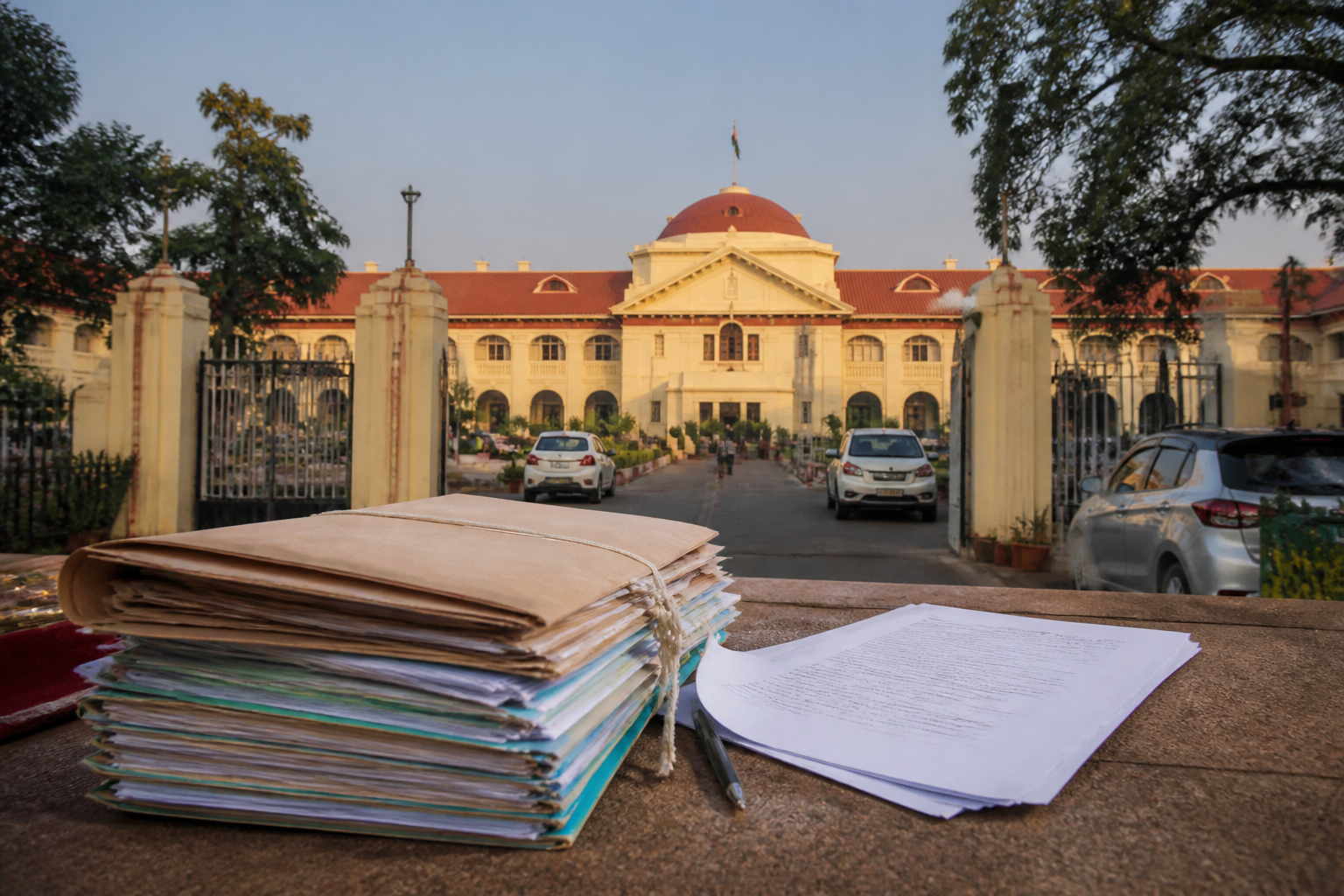
The Patna High Court has quashed a Bihar Water Resources Department order that reduced the salary of a daily-wage worker after his regular appointment, directing the department to reconsider his pay protection and pension rights within three months.
The ruling concerns Bipin Kumar Verma, who was initially engaged as a typist on daily wages at the department’s flood control office in Samastipur. He began working there in 1980 and continued in that capacity for nearly three decades before being appointed as a lower division clerk in the same department on December 5, 2012.
The case was heard by a single bench of Justice Kumar Manish. The verdict was passed on Tuesday and made available on the high court website on Wednesday, according to the report. The court allowed Verma’s writ petition and set aside the departmental order under which he had been treated as a fresh recruit for salary purposes.
Verma’s regularisation followed a legal battle over his service between 1998 and 2011. Although he was appointed as an LDC in 2012, his monthly basic salary was reduced from Rs 9,840 to Rs 7,730. The reduction also affected linked monetary benefits, including dearness allowance, provident fund, pension and other retirement benefits.
The court described the state as a “constitutional employer” and held that it could not “balance its budget” by removing service benefits from employees who had worked for decades in government departments. It termed the action against Verma “exploitative” and “discriminatory”, and said that long years of public service could not be treated as dispensable.
The order also characterised the pay disparity as arbitrary and contrary to fundamental rights guaranteed by the Constitution. However, the court did not itself determine the final pay and pension entitlement in the material supplied. Instead, it directed the head of the department to take a fresh and reasoned decision on Verma’s pay protection and pension rights.
The case highlights the administrative consequences that can follow when long-serving daily-wage workers are later regularised but their earlier service is not fully reflected in pay and retirement calculations. In Verma’s case, the difference in basic salary extended beyond monthly earnings because it also affected benefits linked to pay and length of service.
The Water Resources Department has been given three months to reconsider the matter and issue a reasoned decision. The supplied report does not specify whether the department has announced any further action following the judgment.
