


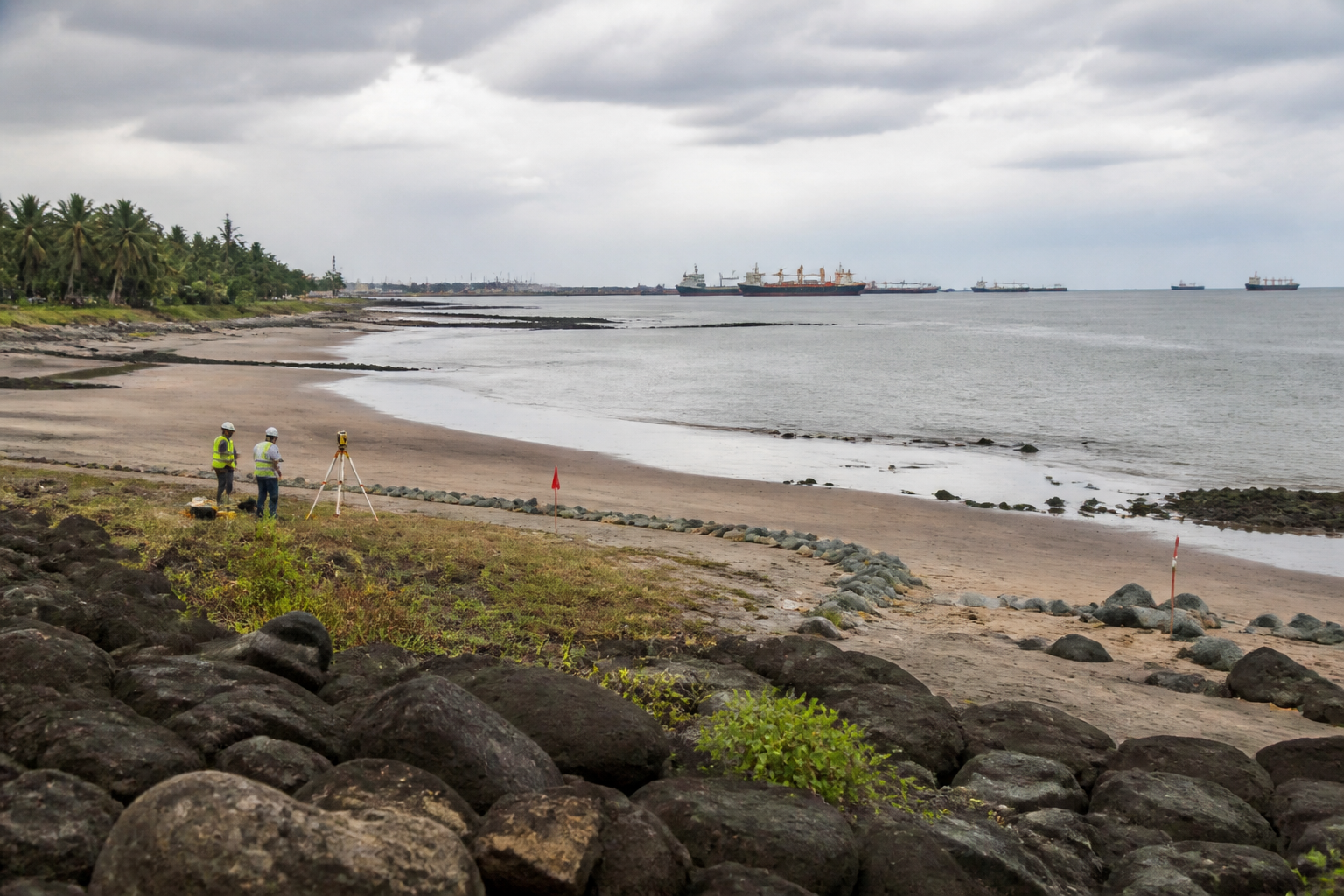
The Vadhavan Port environmental clearance framework has been extended, with the Union Environment Ministry allowing port, harbour, breakwater and dredging projects to retain their initial approvals for up to 20 years. Subject to specified conditions, projects that have not yet become operational may receive phased extensions taking the validity period to a maximum of 30 years.
The change was introduced through an amendment to Paragraph 9 of the 2006 Environmental Impact Assessment notification under the Environment Protection Act, 1986. It is expected to support long-term maritime infrastructure projects in Palghar, including the proposed Vadhavan and Murbe ports.
Previously, port and dock projects generally received environmental clearance for 10 years, with a maximum extension of one year. The ministry’s notification said the earlier period was inadequate for maritime projects because their construction cycles are long, development often takes place in phases, and administrative and technical delays may occur beyond the control of project proponents.
The revised framework brings ports into a category comparable to mining projects for the purpose of environmental-clearance validity. According to the report, the Ports, Shipping and Waterways Ministry had sought a change in the rules. A regional and state-level expert appraisal process subsequently recommended a 15-year validity period with the possibility of a further extension of up to five years.
The ministry had published a draft notification on 20 May 2026 and invited comments and objections for 60 days. The final decision followed a stakeholders’ consultation meeting held on 16 June, along with consideration of the meeting minutes and the recommendations received from the expert committee.
For Palghar, the amendment creates a longer regulatory window for projects that require extended planning, construction and phased implementation. Vadhavan Port is a major proposed maritime infrastructure project on the district’s coast, while Murbe is also identified in the report as a location for port development. The longer clearance period may reduce the need for repeated validity extensions during construction, although project proponents will still have to comply with the conditions attached to their environmental approvals.
The notification does not remove the requirement for environmental assessment or ongoing compliance. It changes the duration for which the clearance remains valid and provides for extensions under specified conditions. The practical effect on individual projects will depend on their approval terms, construction progress and compliance with the applicable environmental safeguards.
The Environment Ministry’s notification is therefore the immediate regulatory change governing the two Palghar projects. The next steps for Vadhavan and Murbe will depend on their respective implementation schedules and continued compliance with the conditions imposed through the environmental-clearance process.
