


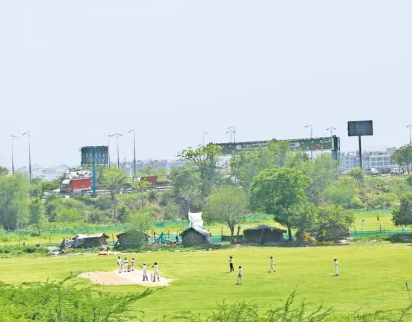
The ecological integrity of the Yamuna floodplain, the Delhi Development Authority (DDA) has shut down several unauthorised cricket pitches that had sprung up in the area. Over the past few months, the DDA has taken action to close four such cricket grounds, reclaiming a total of 10 acres of land along the floodplain, particularly in the Mayur Nature Park area near the DND Flyway. The closure of these pitches, which had been operating without authorisation, underscores the authority’s commitment to safeguarding the floodplain’s fragile ecosystem.
The Yamuna floodplain, a critical natural resource, plays a vital role in maintaining the ecological balance of the region. However, the proliferation of cricket pitches on this land has raised significant concerns about environmental degradation. The DDA’s recent actions are part of a broader effort to curb activities that threaten the floodplain’s vegetation and biodiversity. According to an official from the agency, heavy machinery, including excavators, was employed to dismantle the pitches, ensuring that they cannot be reinstated easily.
The decision to prohibit cricket grounds on the Yamuna floodplain stems from the potential damage such facilities can cause to the area’s natural environment. The construction and use of these pitches disrupt the soil structure, leading to the loss of native vegetation and altering the natural water flow patterns essential for the floodplain’s health. Moreover, the increased foot traffic and maintenance activities associated with cricket grounds further exacerbate the ecological strain on the area.
The reclaimed 10 acres represent a significant portion of the 52-acre Mayur Nature Park, a green space that is intended to serve as a buffer between the urban landscape and the Yamuna river. The encroachment of cricket pitches into this protected zone had raised alarms among environmentalists and city planners, who argued that allowing such activities would undermine efforts to preserve the floodplain. The DDA’s intervention, therefore, is seen as a necessary step to reinforce the importance of adhering to land use regulations that prioritise environmental conservation. The removal of these unauthorised cricket grounds highlights the ongoing challenges of managing urban development in a way that respects the natural environment. While the popularity of cricket in India makes the demand for open spaces understandable, it is crucial that such facilities are established in areas designated for recreational use, rather than in ecologically sensitive zones like the Yamuna floodplain.
As Delhi continues to expand and develop, the need for careful planning and enforcement of land use policies becomes increasingly critical. The DDA’s recent actions on the Yamuna floodplain serve as a reminder that environmental protection must remain a priority in the face of urban pressures. The authority’s firm stance against the unauthorised use of the floodplain for cricket pitches is likely to set a precedent for how similar issues will be addressed in the future, ensuring that Delhi’s natural resources are preserved for generations to come.
