


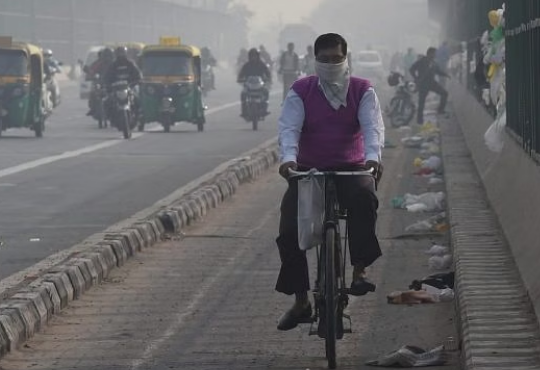
In a decisive move to mitigate the chronic air pollution that plagues Delhi during the winter months, the Delhi government is intensifying its efforts with the development of a comprehensive Winter Action Plan. On Friday, the Environment Minister chaired a high-level meeting, which included senior officials from the Environment Department and the Delhi Pollution Control Committee (DPCC), to craft a robust strategy aimed at reducing pollution levels across the capital.
The newly proposed Winter Action Plan will focus on 14 critical areas, each addressing a key source of pollution in the city. “This year’s plan is designed to tackle various aspects of pollution, including vehicular emissions, dust pollution, identified pollution hotspots, stubble burning, and the burning of waste in the open,” the Minister stated. He further emphasised the importance of coordinated efforts, announcing a collaborative meeting scheduled for September 5, where representatives from 33 relevant departments will convene to finalise a joint action plan based on these focal areas. The Minister detailed several significant decisions that were made during the meeting, underscoring the importance of a well-structured approach to combat the seasonal surge in pollution. “The development of this Winter Action Plan is a proactive step towards addressing the severe air quality issues that Delhi faces every winter. Today’s review meeting was instrumental in identifying the 14 focal points that will guide our efforts,” he explained.
Key aspects of the plan include stringent measures to control dust pollution, reduce vehicle emissions, and manage stubble burning—a notorious contributor to Delhi’s annual smog. In addition to these, the government will focus on reducing industrial pollution by ensuring that all registered industrial units in Delhi transition to piped natural gas (PNG). The Minister also stressed the need to enhance the operational capacity of the Green War Room and the Green Delhi App, which are vital tools for communicating with the public and responding to pollution-related grievances in a timely manner.
The plan places significant emphasis on identifying and addressing pollution hotspots—specific areas where pollution levels are notably high and pose severe health risks to residents. To this end, real-time source apportionment studies will be utilised to accurately identify the causes of pollution in these areas, allowing for more targeted and effective interventions. Moreover, the plan highlights the importance of improving dialogue with the central government and neighbouring states. This cooperative approach is seen as essential for addressing transboundary pollution issues, particularly the large-scale burning of stubble in adjoining states, which significantly impacts Delhi’s air quality.
The minister’s focus on a data-driven approach, combined with enhanced inter-departmental collaboration, reflects the Delhi government’s commitment to tackling one of the city’s most pressing environmental challenges. With the final plan expected to be in place by early September, the government aims to implement these measures swiftly to mitigate the seasonal deterioration of air quality in the capital. As Delhi braces itself for the winter months, the implementation of this Winter Action Plan will be crucial in determining whether the city can effectively reduce pollution levels and protect public health. The comprehensive nature of the plan, coupled with its focus on real-time data and cross-sector collaboration, marks a significant step forward in the ongoing battle against pollution in one of the world’s most polluted capitals.
