


Delhi recorded 179 clean-air days up to September 15, the highest number for the same period in a decade, according to the Delhi environment department. The improvement has been linked by the government to continued action against road dust, waste and vehicle emissions across the capital.
The department said Delhi recorded 172 clean-air days during the corresponding period in 2025, compared with 94 days in 2016. The latest figure represents an increase of 85 clean-air days over the decade, based on the department’s comparison.
Environment Minister Manjinder Singh Sirsa described the figure as a sign of continued improvement in Delhi’s air quality. He said action against dust, waste and vehicle-related pollution was producing positive results.
Delhi’s air quality index stood at 98 on September 15, placing it in the ‘satisfactory’ category. The AQI measures the combined effect of pollutants in the air, with the reported reading indicating that pollution levels were below the higher categories recorded during severe pollution episodes.
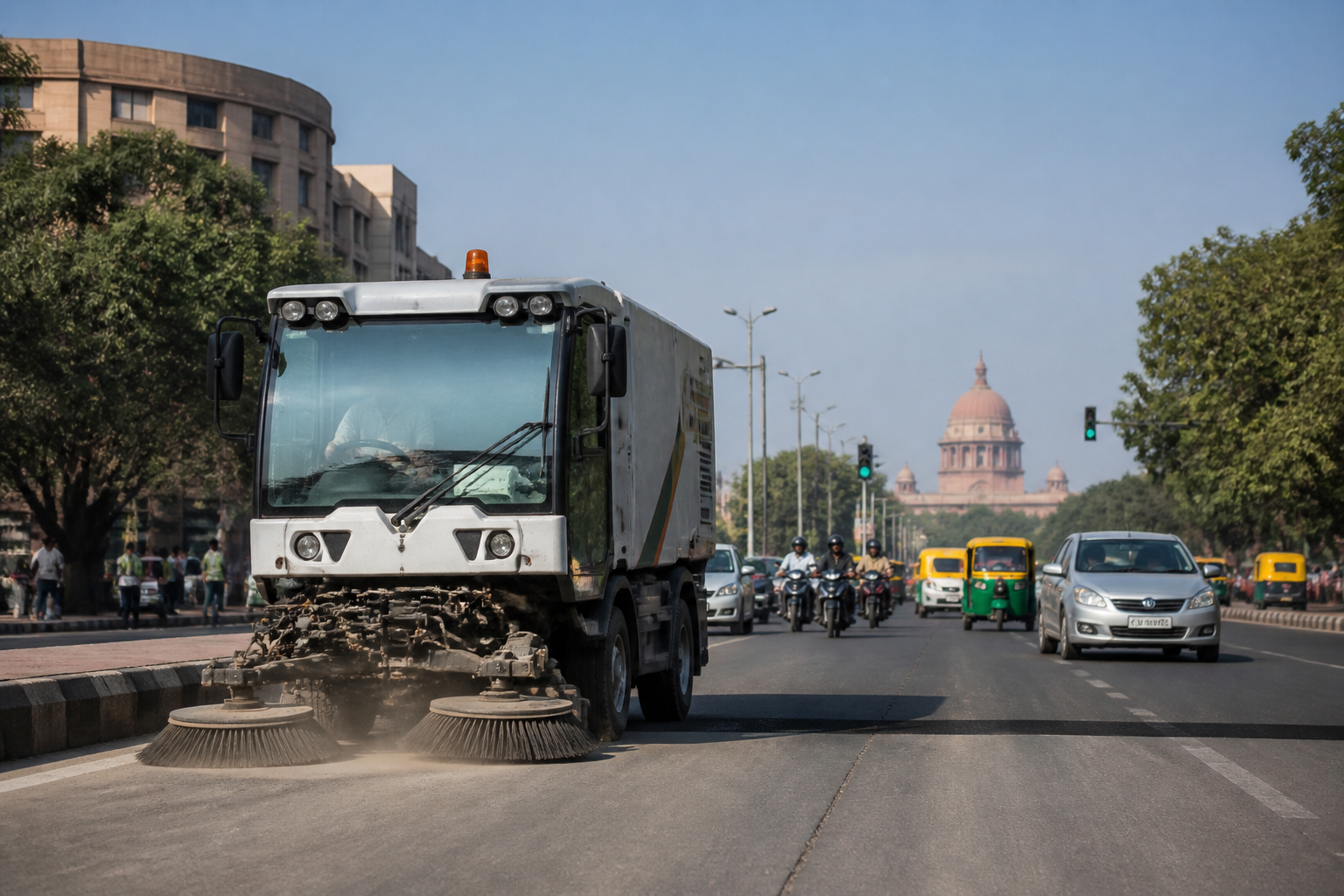
Road dust control was among the measures reported by the government. Over the previous 24 hours, 81 mechanised road sweepers cleaned approximately 2,279 kilometres of roads and removed 170 metric tonnes of road dust. Road dust is one of the pollution sources being targeted through mechanised cleaning and enforcement activity.
Authorities also reported action against vehicle-related pollution violations. A total of 4,976 challans were issued during the period, although the report did not specify the individual violations or the monetary value of the penalties.
Waste and construction activity were also included in the government’s account of pollution-control work. Around 12,715 tonnes of waste and 2,113 tonnes of construction and demolition debris were disposed of during the reported period. The figures cover a significant volume of material that could otherwise contribute to roadside dust, dumping and localised pollution if left untreated.
At Delhi’s Bhalswa, Ghazipur and Okhla landfill sites, around 19,212 metric tonnes of legacy waste was processed through biomining. The process involves treating older waste accumulated at landfill sites, and was cited as part of the ongoing effort to manage Delhi’s waste burden.
The figures present a combined account of ambient air quality and enforcement operations rather than a single intervention. They include the number of days classified as clean air, the daily AQI reading, road sweeping, vehicle challans, waste disposal, construction and demolition waste management, and legacy-waste processing.
The environment department’s comparison places the 2026 figure above the 2025 count and substantially above the 2016 level. The government’s next pollution-control operations will continue to focus on road dust, waste, construction and demolition debris, landfill remediation and vehicle emissions, according to the measures reported by the department.
