


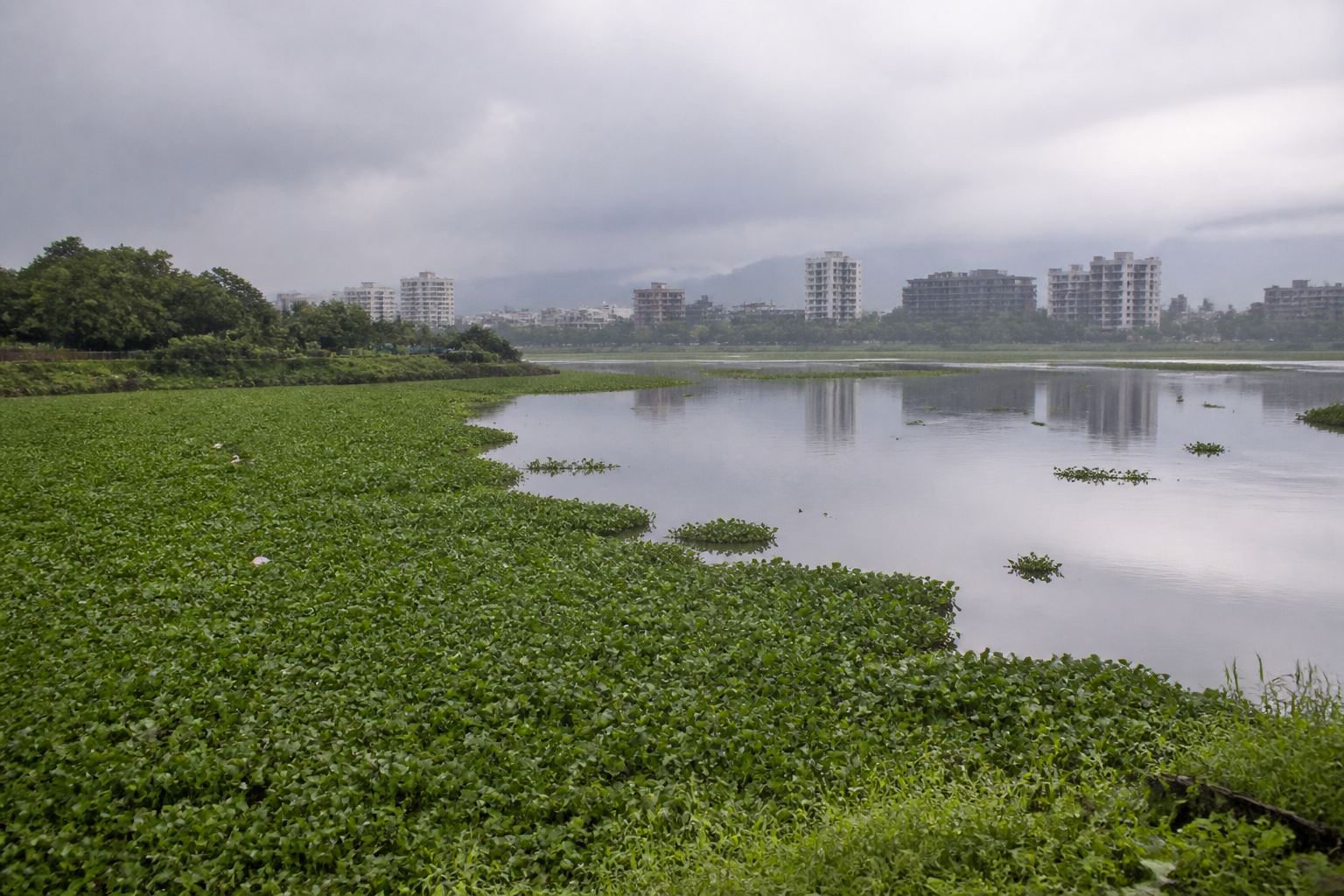
Panvel Municipal Corporation has released 50,000 more Cyrtobagous salviniae insects into Wadale Lake as part of a chemical-free campaign to control the spread of Salvinia molesta, an aquatic weed that has covered large parts of the historic water body.
The second phase of the biological-control programme is being carried out jointly by the civic body and the ICAR-Directorate of Weed Research in Jabalpur. The initiative follows the release of 20,000 insects into the lake in May, officials said.
A civic official said the insects released during the first phase had reproduced effectively because of favourable conditions, resulting in a significant increase in their population. The additional release is expected to accelerate the removal of the weed, which has left little open water visible across parts of the lake.
Cyrtobagous salviniae feeds mainly on Salvinia molesta. Officials said this specific feeding behaviour is intended to limit adverse effects on other aquatic plants and components of the lake’s ecosystem. The programme is being implemented as an alternative to chemical treatment and is aimed at reducing the weed without disturbing the broader ecological balance.
Deputy Commissioner Dr Vaibhav Vidhate said the reduction of aquatic weed would improve water circulation and help restore the lake’s natural balance. The civic administration also expects the intervention to create a more favourable habitat for migratory birds and other aquatic life.
Wadale Lake has remained heavily covered by water hyacinth and other aquatic vegetation despite the Panvel civic body spending crores on beautification, according to the report. The biological-control campaign is being presented as a longer-term solution to a problem that has affected the lake’s appearance and ecological functioning.
Salvinia molesta is a free-floating aquatic plant native to South America, particularly Brazil. Its rapid spread can block sunlight and restrict the movement of water across a lake. In Wadale Lake, the municipal corporation and ICAR researchers are relying on the natural feeding and reproduction of the introduced insect to reduce the weed over time.
Under the projected timeline, officials expect the leaves of the Salvinia to turn yellow and then dark chocolate by February 2027. The weed is expected to be destroyed over the following nine months, with November 2027 set as the expected completion date for the eradication process.
The campaign was initiated after suggestions from Panvel Mayor Nitin Patil and Municipal Commissioner Mangesh Chitale. Its progress will determine whether biological control can provide the civic body with a sustained method of managing aquatic weed at Wadale Lake while avoiding greater reliance on chemical solutions.
