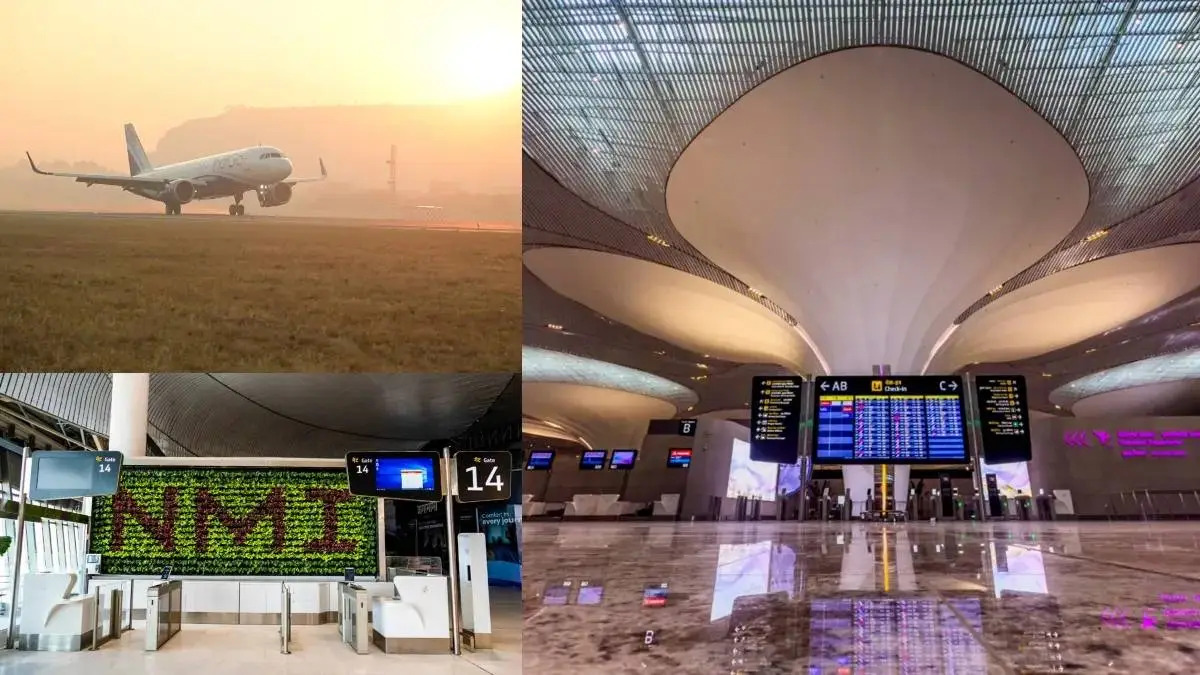
Mumbai Airport Redevelopment Triggers Major Flight Changes
Mumbai’s airport network is preparing for a significant redistribution of international traffic from October 2026 as Navi Mumbai International Airport takes on a larger operational role. Reports indicate that at least one-third of international air traffic movements from Mumbai’s existing Terminal 2 could shift to Navi Mumbai from October 1, creating capacity for the phased redevelopment of Terminal 1 and changing how millions of travellers move across the metropolitan region. The change is less about creating a new airport market than about managing a difficult construction phase without disrupting Mumbai’s aviation system. Terminal 1 at Chhatrapati Shivaji Maharaj International Airport is being redeveloped in stages, with demolition of the northern section of Terminal 1B expected to begin in January 2027. The traffic redistribution is intended to free operational capacity before major construction advances.
Under the reported transition plan, international capacity would move from Terminal 2 to Navi Mumbai, while a portion of Terminal 1’s domestic operations would subsequently be accommodated at Terminal 2. Reports indicate another major shift from Terminal 1 to Terminal 2 from late October. This creates a temporary three-way balancing exercise between the two airports and Mumbai’s remaining terminals rather than a simple relocation of airlines. For passengers, the most immediate issue is geography. Navi Mumbai International Airport is becoming part of the metropolitan aviation system, but access from western and central Mumbai remains different from reaching the existing airport. The airport currently provides road, taxi, bus and rail-linked access, with Panvel and Bamandongri among the nearby railway stations.
That makes surface connectivity as important as runway and terminal capacity. A flight that shifts across the harbour can alter a traveller’s total journey time, transport cost and reliability. For workers whose jobs move with the aircraft schedules, the implications are broader. Airport staff, ground handlers and other service workers may face longer commutes unless public transport and employer-linked mobility arrangements keep pace. The redistribution also has consequences for the wider Mumbai Metropolitan Region. Navi Mumbai can absorb aviation growth while supporting development around a second major gateway, potentially reducing the concentration of infrastructure pressure at the older airport. But airport-led growth will need to be matched by efficient public transport, road capacity and careful land-use planning to avoid simply transferring congestion and emissions from one part of the region to another.
The immediate priority is therefore operational clarity. Travellers with bookings after October should verify the airport and terminal directly with their airline before departure. As Mumbai moves towards a two-airport aviation system, the success of the transition will depend not only on how quickly terminals are rebuilt, but on whether the wider city can connect both gateways efficiently and equitably.