Ahmedabad Expands Robotic Knee Care Infrastructure
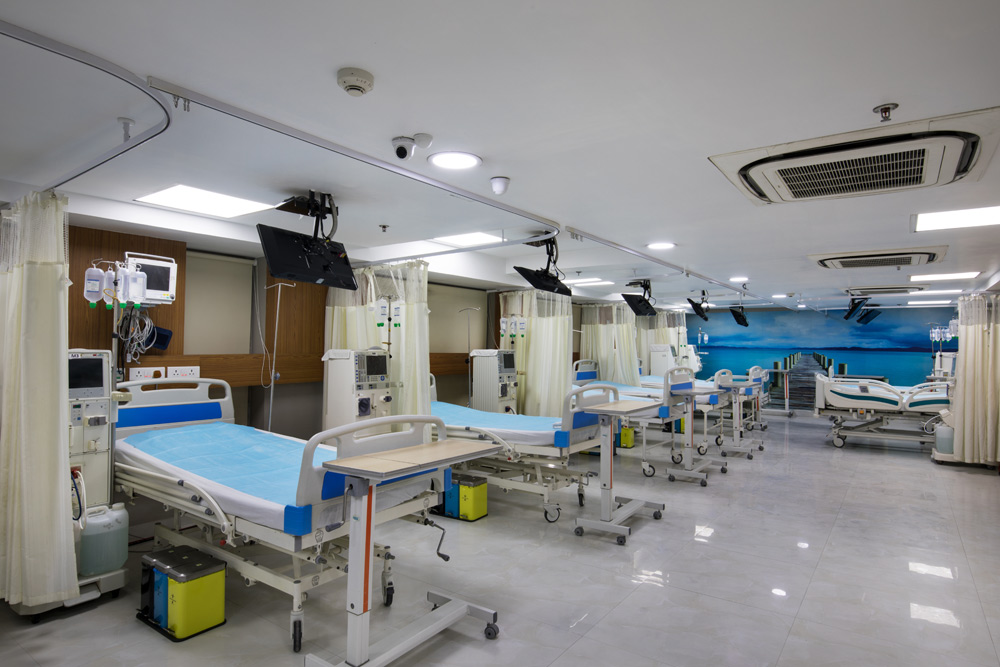
Ahmedabad’s healthcare infrastructure has expanded with the opening of a new twin-tower facility at DHS Multispecialty Hospital, alongside a dedicated centre for robotic-assisted knee replacement. The development adds specialised surgical capacity in the city and brings advanced orthopaedic, diagnostic and critical-care services into a larger facility, reflecting Ahmedabad’s growing role as a regional destination for complex medical treatment.
The centre introduces the fourth-generation VELYS robotic-assisted system from Johnson & Johnson DePuy Synthes for knee replacement procedures. Unlike CT-dependent robotic platforms, the system uses intra-operative mapping to help surgeons assess knee anatomy during surgery. The hospital says the technology can support more precise bone preparation and alignment without requiring a pre-operative CT scan.For patients, the significance is less about the presence of a robotic machine and more about how such infrastructure changes access to specialised care. Ahmedabad has increasingly developed as a healthcare hub for Gujarat, reducing the need for some patients to travel to larger metropolitan centres for advanced procedures. However, wider access will ultimately depend on treatment costs, insurance coverage, specialist availability and the capacity of public and private healthcare systems to serve different income groups.The expanded facility includes three modular operating theatres designed for orthopaedic, oncology and other complex procedures. It also provides round-the-clock diagnostic and support services, including imaging, laboratory and pharmacy facilities.
The hospital lists multiple clinical departments, allowing patients requiring more than one specialty to receive care within the same institutional setting.The expansion also highlights a broader shift in urban healthcare planning. As cities grow, specialised hospitals are becoming important pieces of regional infrastructure, particularly where ageing populations and chronic conditions increase demand for joint replacement and other elective procedures. Concentrating services can reduce repeated travel for patients, families and caregivers, while improving coordination between diagnostics, surgery and recovery.Yet new medical infrastructure also brings questions beyond capacity. The environmental footprint of large healthcare buildings, energy-intensive equipment, medical waste and round-the-clock operations can be substantial. Future hospital expansion will therefore need to consider energy efficiency, low-carbon building systems, responsible waste management and convenient public transport access alongside clinical technology.
The development strengthens Ahmedabad’s specialist healthcare capacity, but its longer-term civic value will depend on affordability, accessibility and efficient use. For the city, the next challenge is ensuring that advances in robotic knee care translate into broader, dependable healthcare access rather than remaining concentrated within a limited segment of the population.