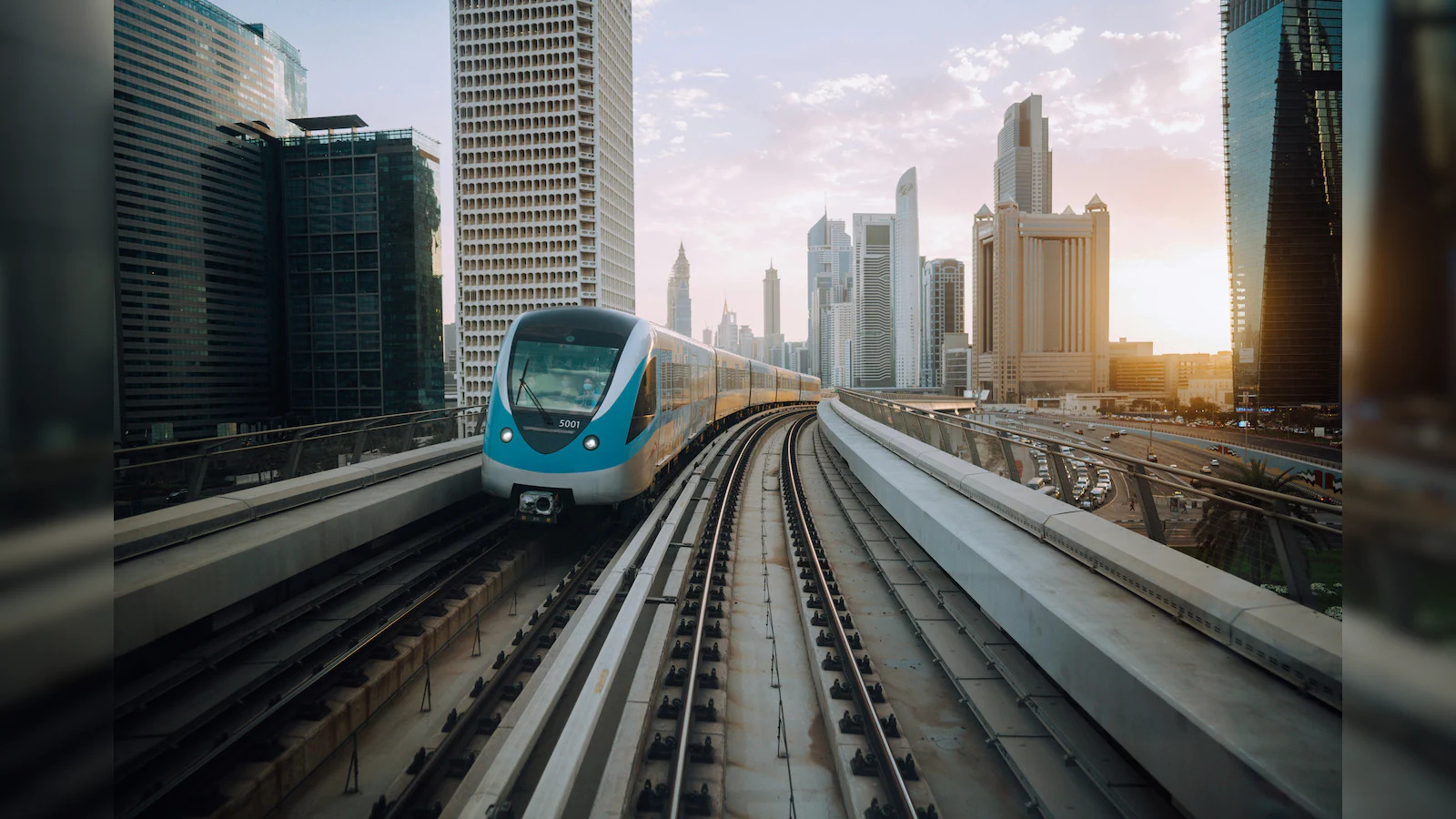
Thane’s long-awaited Metro 4 corridor has moved closer to passenger operations after the rolling stock planned for its first operational section received the required safety certification. The clearance covers the 10.5-km Gaimukh–Cadbury Junction stretch, bringing the project closer to opening an important east-west public transport connection in the Mumbai Metropolitan Region and potentially reducing dependence on congested road corridors. The initial section is planned with eight stations and six train rakes for passenger operations. The approval follows certification by the Research Designs and Standards Organisation earlier this year, marking another step in the regulatory process that must be completed before commercial services can begin.
For Thane, the significance extends beyond the introduction of another rail service. The city has experienced sustained residential and commercial growth, while road congestion has increased pressure on existing bus and road networks. Metro 4 could provide a higher-capacity alternative for daily journeys between established neighbourhoods and emerging development areas. The project is also being advanced despite an unusual operational constraint. Its principal depot is still under construction, so a temporary operational arrangement has been developed at Gaimukh. A dedicated pit line will allow trains to be stabled, inspected and maintained before and after service. The Gaimukh facility includes two island platforms and four tracks. Two tracks are intended for train operations, while the remaining lines will support servicing and other rake-handling activities. The arrangement illustrates how large transit projects often require interim infrastructure to bridge the gap between construction milestones and the start of public services.
From a city-planning perspective, the value of Metro 4 will depend on more than trains running on schedule. Urban transport experts point to the importance of convenient station access, pedestrian infrastructure, feeder buses and safe crossings around stations. Without these links, a metro corridor can struggle to deliver its full potential for reducing private vehicle dependence. The line could also influence development patterns around its stations. Better public transport access can support higher-density, mixed-use growth when planning controls and infrastructure keep pace. However, such growth needs adequate roads, drainage, utilities, open spaces and affordable mobility options to prevent pressure from simply shifting from transport corridors to neighbourhoods. The immediate focus remains on completing the remaining statutory approvals and preparing the operational system. For commuters, the next meaningful milestone will not be the certification itself but the announcement of a confirmed opening date and service plan.
If delivered with reliable connectivity and strong last-mile access, the Gaimukh–Cadbury section can become an important test of how rapidly expanding transit infrastructure can reshape mobility in Thane while supporting more compact and lower-carbon urban growth.