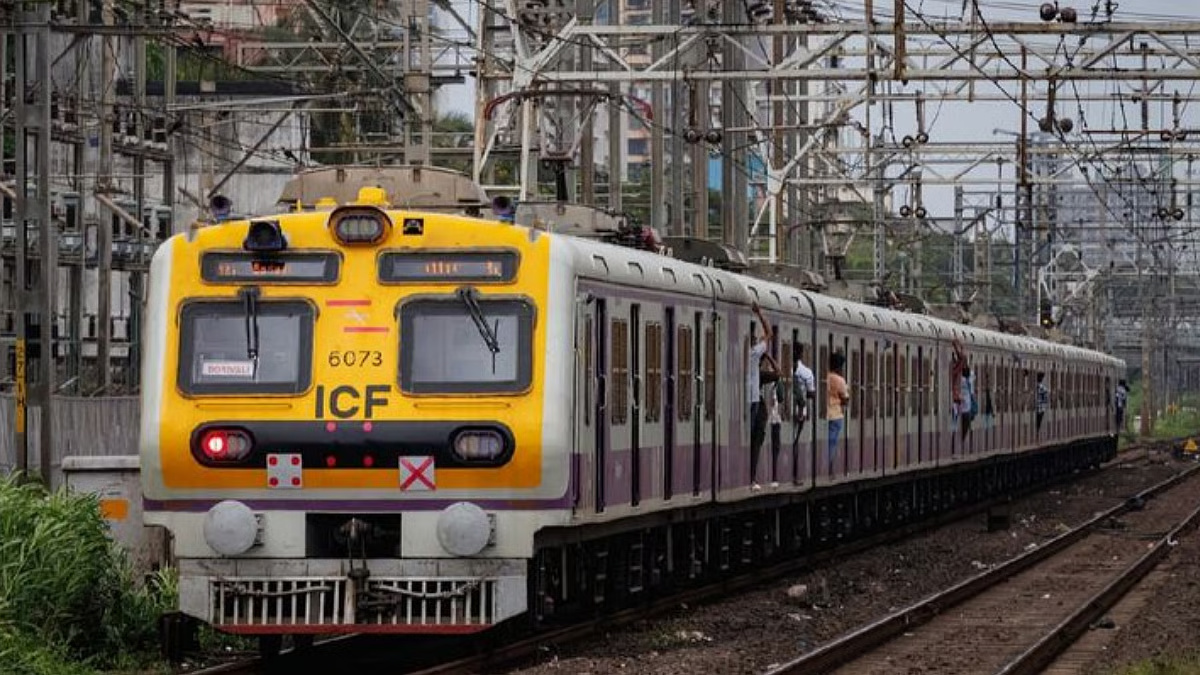
Mumbai’s suburban rail network is set for another round of overnight disruption as Central Railway enters the second phase of engineering work at Titwala in Thane district. The multi-day block will affect services towards Kasara while platforms are modified to handle longer suburban trains. For commuters, the short-term inconvenience is tied to a wider capacity upgrade on one of the region’s busiest transport corridors. The second phase is scheduled between the midnights of September 2-3 and September 8-9, forming part of a 15-day traffic and power block that began on August 28-29 and runs through September 11-12. Work is being carried out during overnight windows of roughly five to six hours, limiting the disruption to periods when passenger demand is lower.
During the specified block nights, suburban train services will not operate between Titwala and Kasara. The change is particularly relevant to passengers travelling beyond Titwala towards Kasara and stations along the route. Travellers may need to adjust journeys, use alternative transport where available or allow additional time for connecting services. At the centre of the work is the extension of Titwala station platforms to accommodate 15-car suburban rakes. Longer trains can carry more passengers per service, making platform-lengthening an important part of efforts to increase capacity without relying solely on additional train paths. The investment also highlights a familiar challenge for Mumbai’s regional transport system: infrastructure must often be upgraded while continuing to serve millions of daily journeys. Overnight blocks reduce the impact on regular commuters, but they also compress complex construction and electrical work into narrow operating windows.
For the wider Mumbai Metropolitan Region, the capacity question extends beyond the railway timetable. Suburban rail remains the backbone of affordable regional mobility, linking residential areas in Thane and adjoining districts with employment centres across Mumbai. Improvements that allow longer trains to operate can support access to jobs and education while reducing dependence on private vehicles for longer-distance travel. However, capacity expansion needs to be accompanied by reliable information and coordinated last-mile transport. Clear communication about cancelled or curtailed services is especially important for shift workers and passengers making late-night or early-morning journeys. Transport planners also need to ensure that station access, pedestrian movement and connecting bus services can absorb changes in passenger flows.
The Titwala work therefore represents more than a temporary timetable adjustment. Mumbai local services depend on continual renewal of ageing infrastructure and carefully managed upgrades. If the platform expansion is completed as planned, the resulting Mumbai local services could gain additional carrying capacity, while the immediate test remains keeping disruption predictable and manageable for passengers.