Mumbai Wards Prepare Ground Plans For Climate Risks
Climate planning in Mumbai is beginning to move from citywide discussions towards neighbourhood-level action, with resident groups identifying ward-specific risks ahead of Mumbai Climate Week 2027. Issues including flooding, weak pedestrian infrastructure, waste management, shrinking green cover, coastal vulnerability and urban heat are being mapped for potential local pilots, reflecting a growing focus on whether climate policy can deliver measurable improvements on everyday streets. Mumbai Climate Week 2027 is scheduled for February 23 to 26, while participating community groups are expected to develop potential activities and recommendations through December. The immediate objective is to identify at least two opportunities within participating wards that could demonstrate practical responses to local environmental and infrastructure problems.
The approach is significant because Mumbai’s climate risks vary considerably between neighbourhoods. Coastal areas face different pressures from inland locations, while densely built districts can experience greater heat exposure and limited space for rainwater absorption. Urban planners say ward-level planning can help identify these differences before solutions are scaled across the wider metropolitan area. Fourteen community representatives have so far discussed possible pilots in S Ward and the K-West and K-East wards. Their concerns span basic urban services as well as longer-term climate resilience. Footpath quality, accumulated waste and local preparedness sit alongside questions about flooding, mangrove protection, sea-level rise and the management of coastal regulation zones. The discussions have also brought the relationship between construction and climate resilience into sharper focus. Extensive hard surfaces can reduce natural infiltration of rainwater and increase surface runoff during heavy rainfall. Dense redevelopment can also place additional pressure on roads, drainage, open spaces and public utilities if supporting infrastructure does not expand at the same pace.
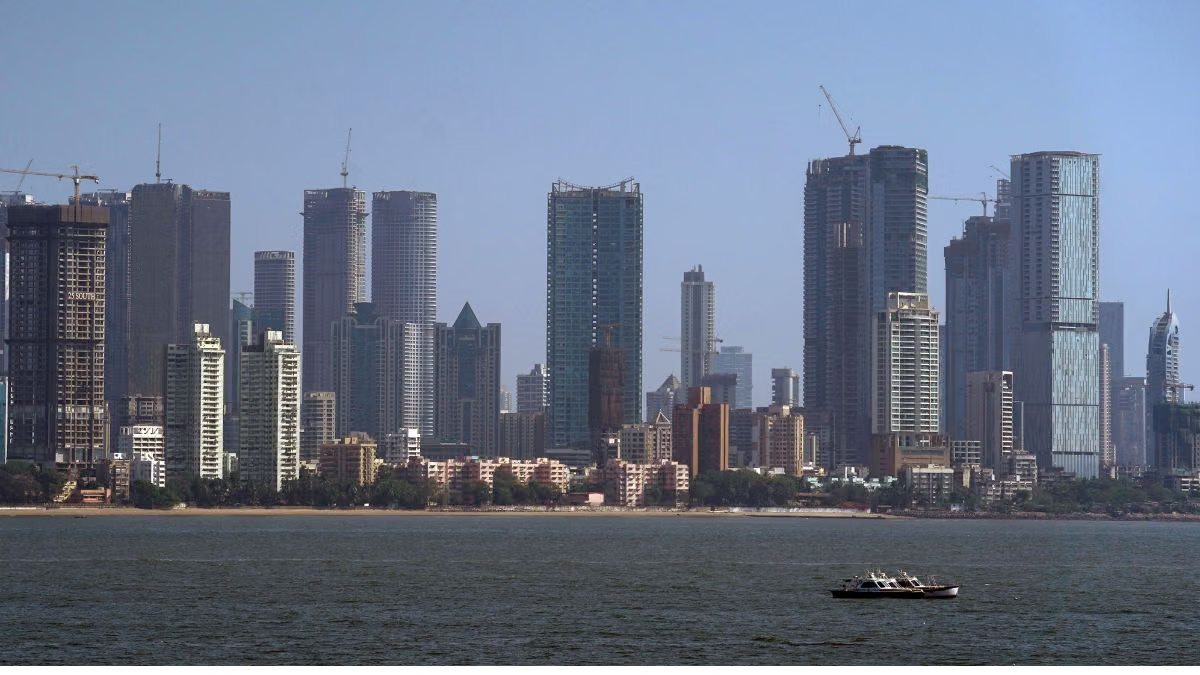
For Mumbai’s real estate market, this creates a planning challenge. Redevelopment can increase housing supply and improve ageing buildings, but its urban impact depends on how additional density is supported by transport, drainage, public space and environmental safeguards. A ward-based climate framework could provide a more detailed basis for assessing those pressures instead of treating redevelopment as an isolated property transaction. The same principle applies to public spending. Identifying risks at neighbourhood level can help civic agencies prioritise drainage upgrades, pedestrian improvements, waste systems, tree cover and heat mitigation where they are most needed. It could also make climate investment easier to measure, provided local pilots are backed by clear targets, funding and public reporting.
The test now is whether the community process produces implementable projects rather than another layer of consultation. For Mumbai, the value of ward-level climate action will ultimately be measured through cooler streets, safer mobility, better flood preparedness and stronger protection of natural systems.