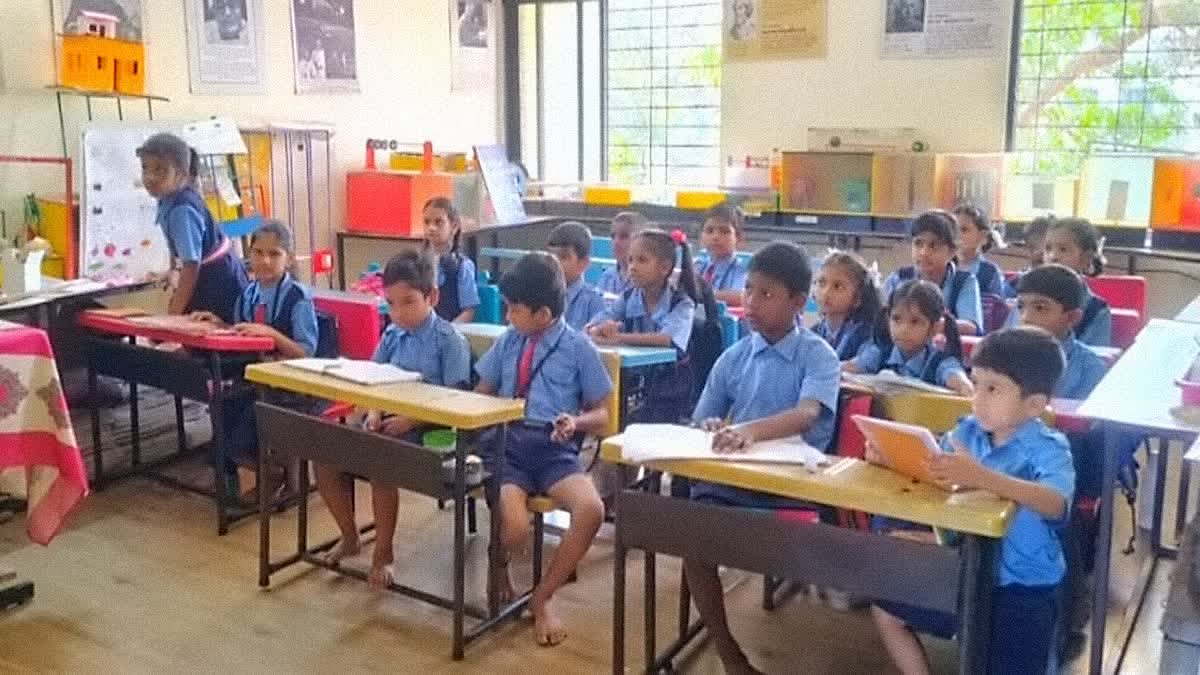
Maharashtra Launches Infrastructure Push Across Rural Schools
Maharashtra has launched a time-bound drive to identify and address basic infrastructure gaps across Zilla Parishad schools, putting drinking water, sanitation, electricity and classroom conditions at the centre of the exercise. Officials have been given eight days to physically verify facilities and classify schools according to their infrastructure status, with the wider objective of completing priority improvements within a month. The initiative follows a review of rural school infrastructure by the state’s Rural Development and School Education departments. Schools will be grouped into four categories based on the facilities available on the ground. The classification is intended to help authorities distinguish between schools requiring immediate intervention and those needing broader maintenance or upgrades.
The Maharashtra rural school infrastructure exercise gives particular importance to drinking water and separate toilets for girls, alongside usable classrooms and reliable electricity. Schools without essential sanitation or water facilities are expected to receive priority under the proposed intervention framework. The approach also attempts to address a persistent governance problem: the difference between what administrative databases record and what students actually experience. Chief executive officers of Zilla Parishads have been directed to physically inspect schools and compare conditions with information submitted through the Unified District Information System for Education, or U-DISE. Discrepancies are expected to be corrected. For rural communities, these facilities are not minor additions to a school building. Access to safe sanitation, clean water and functional classrooms can influence attendance, learning conditions and the willingness of families to keep children in local schools. Separate toilets are particularly relevant to creating a more accessible and inclusive learning environment.
The government is also considering directions for gram panchayats to prioritise local funds for school amenities. Greater coordination between panchayats, headteachers, village-level officials and block development authorities is expected to support implementation. Public participation through gram sabhas could provide another layer of local oversight. The Maharashtra rural school infrastructure plan also includes a proposed standard operating procedure for monitoring facilities. Zilla Parishad chief executive officers would be responsible for tracking implementation, while delays or failures to act could attract administrative action. Officials have also been encouraged to identify funding available through different government programmes and explore CSR contributions from local industries. From an infrastructure perspective, the emphasis on existing public buildings is significant. Upgrading classrooms, water systems and sanitation can extend the useful life of rural school assets instead of relying primarily on new construction. Efficient water systems, better natural ventilation and durable materials could also reduce long-term operating and maintenance costs.
The immediate test will be execution. Eight-day inspections can establish the scale of the problem, but the quality of verification and the speed of subsequent funding will determine whether the exercise produces lasting improvements. For Maharashtra’s rural schools, the next month will therefore be less about announcing infrastructure priorities and more about demonstrating that basic public services can be delivered consistently, measured transparently and maintained over time.