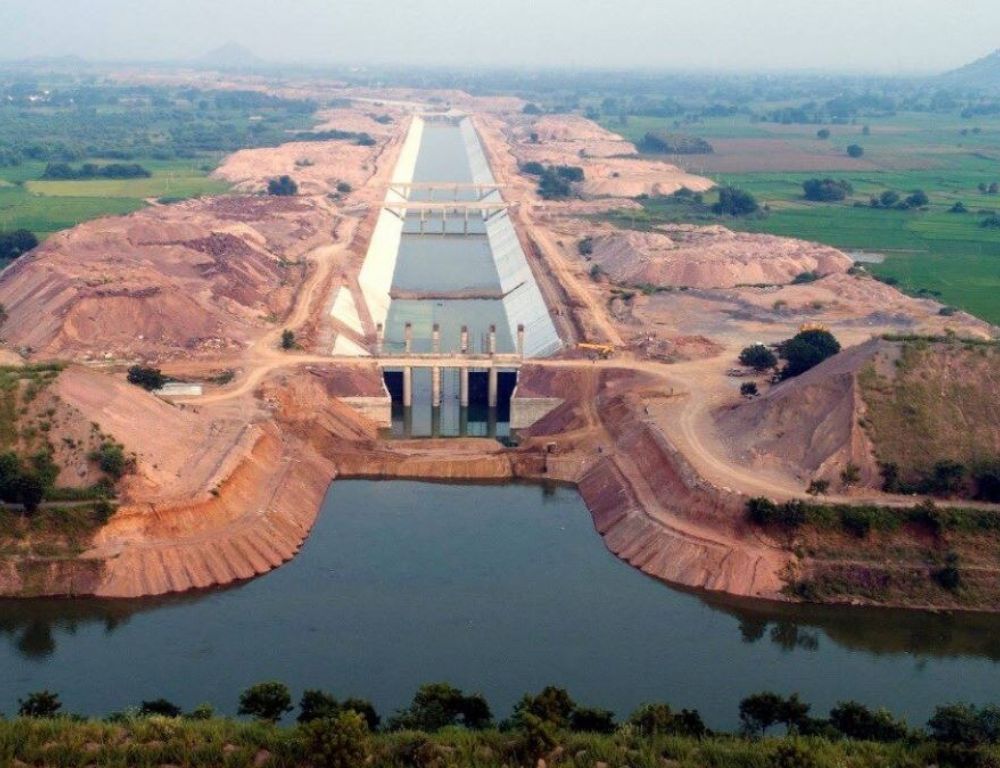
Hyderabad Kaleshwaram Water Operations Put State In Focus
HYDERABAD: Telangana now faces a crucial operational decision over the Kaleshwaram Lift Irrigation Scheme, with the National Dam Safety Authority indicating that the state must determine whether water should be stored, lifted or released downstream. The position shifts the immediate responsibility towards the state government as structural concerns at the project continue to affect irrigation planning, public safety and the wider management of water infrastructure.
The clarification came before the Telangana High Court in response to a petition seeking greater clarity on the safety and usability of the project. The petitioner had raised questions over whether restrictions attributed to the NDSA were preventing the state from using the Kaleshwaram system following the structural distress at Medigadda. Available reports indicate that the authority did not issue a blanket direction barring Telangana from taking operational decisions. Instead, decisions concerning water storage and lifting fall within the state’s administrative and policy responsibilities, with technical agencies and engineers expected to inform those choices. That distinction is significant because Kaleshwaram is not simply an irrigation asset. Its operation involves large-scale water transfers, energy consumption and infrastructure exposed to hydraulic and geotechnical risks. Any decision to resume storage or pumping therefore carries implications beyond farm supply, including downstream safety, public expenditure and the long-term viability of a major public infrastructure investment.
The project has remained under scrutiny since structural damage was reported at the Medigadda barrage in 2023. Earlier technical assessments by the NDSA identified serious concerns with the affected structure, while subsequent investigations have focused on rehabilitation requirements across Medigadda, Annaram and Sundilla. A technical oversight committee formed by the Union Ministry of Jal Shakti has also reviewed investigations and directed Telangana officials to prepare rehabilitation designs. The latest position does not, however, amount to a technical clearance to restart the entire system. The state has previously maintained that the barrages should remain in a safe operating condition while testing, rehabilitation and technical assessments continue. Officials have also sought further guidance from the Union government and the NDSA on future operations.
For farmers and communities dependent on irrigation, the issue is ultimately about reliable water access without transferring structural or financial risks to the public. The immediate challenge for Telangana is to match any operational decision with evidence from ongoing safety studies, rehabilitation designs and transparent risk assessments. The future of Kaleshwaram water use will therefore depend not only on administrative authority, but on whether the infrastructure can be demonstrated to operate safely and sustainably.