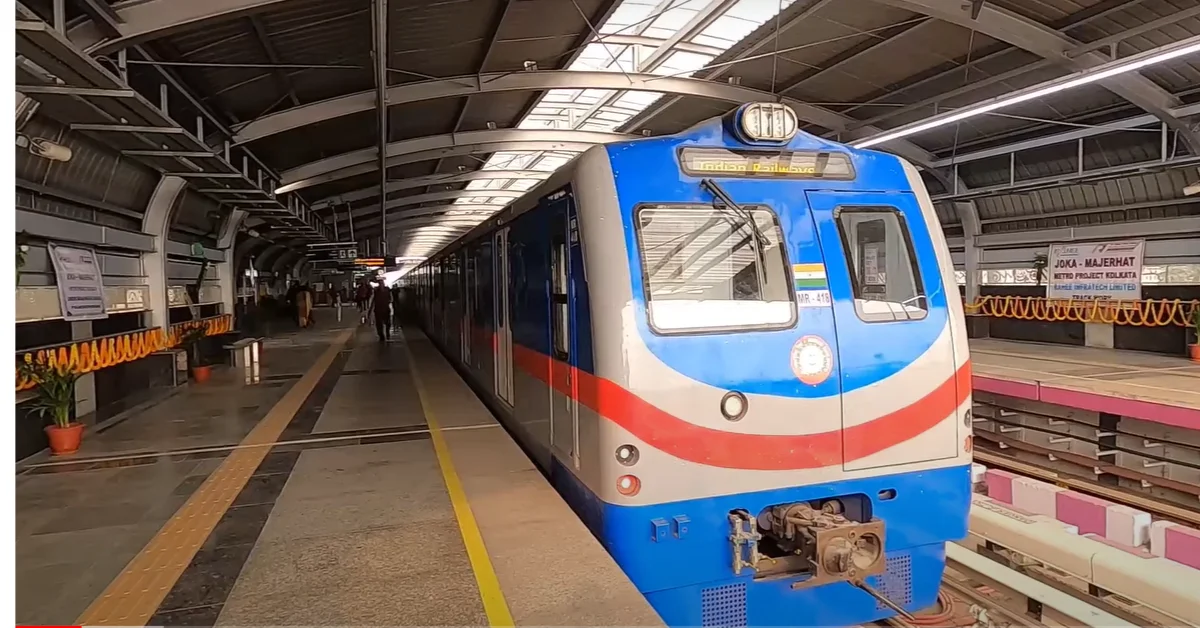
Kolkata’s extensive railway network has come under renewed scrutiny after a national audit highlighted significant shortcomings in passenger amenities, sanitation standards and food safety management across sections of the Indian Railways system. The findings have triggered wider concerns about the quality of services used daily by millions of commuters and long-distance travellers, particularly in major urban centres such as Kolkata where rail transport remains a critical part of economic and social mobility.
The audit identified deficiencies in the maintenance of passenger facilities and raised concerns over contamination risks within the railway catering ecosystem. While rail infrastructure investments have accelerated in recent years, the assessment suggests that improvements in stations, trains and operational systems have not always been matched by equivalent progress in public health safeguards and service quality.For Kolkata, where suburban and long-distance rail corridors connect workers, students and businesses across eastern India, the issue extends beyond passenger comfort. Urban planners note that reliable and hygienic public transport is a key component of sustainable urban development. When commuters lose confidence in basic services such as clean drinking water, food quality and sanitation, the overall attractiveness of public transport can be affected.
The audit further pointed to weaknesses in monitoring mechanisms and quality control processes. Experts argue that modern transport systems require not only physical infrastructure upgrades but also strong operational standards, regular inspections and transparent accountability frameworks. In densely populated metropolitan regions, lapses in hygiene management can create broader public health risks due to the large volume of daily passengers.Industry observers say the findings arrive at a time when Indian cities are attempting to shift more people towards public transport as a strategy to reduce congestion, emissions and dependence on private vehicles. Achieving this transition depends heavily on passenger trust. Investments in new tracks, station redevelopment and rolling stock may deliver long-term benefits, but everyday user experience often determines whether commuters choose rail services over other travel options.The concerns also carry economic implications. Railway stations function as important commercial hubs supporting retail activity, tourism and regional trade. Persistent gaps in passenger amenities can influence perceptions of service reliability and affect the competitiveness of rail-based mobility networks.
As authorities review the findings, attention is expected to focus on stronger oversight, improved maintenance practices and stricter food safety protocols. For Kolkata and other rapidly growing urban regions, the challenge will be ensuring that future transport investments deliver not only greater capacity but also healthier, safer and more inclusive travel environments for all passengers.