Hyderabad Faces Traffic And Monsoon Pressure Today
Hyderabad: Traffic restrictions, monsoon waste management and the safety of major irrigation infrastructure are putting three different parts of Hyderabad and Telangana’s urban system under focus. Banjara Hills is set for temporary traffic controls, while the civic administration is intensifying monsoon sanitation work. At the state level, authorities are continuing to follow technical safety recommendations for the damaged Kaleshwaram barrages.
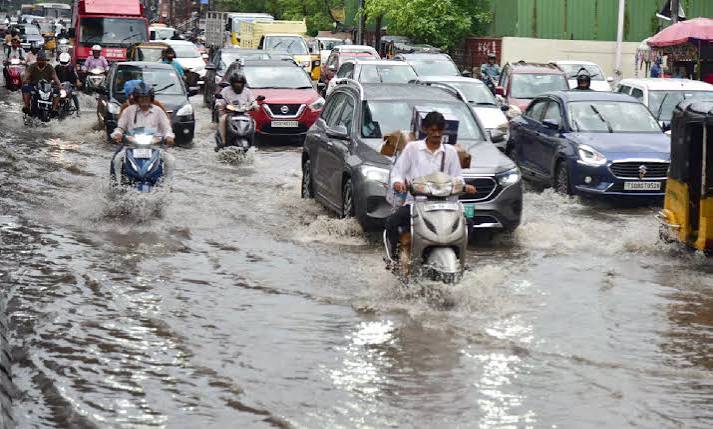
Traffic movement in Banjara Hills is expected to slow on Thursday afternoon because of restrictions linked to a scheduled visit by the Chief Minister. Road No. 10 and surrounding stretches are likely to see moderate congestion between 2 p.m. and 6 p.m. Commuters have been advised to consider alternative routes. The disruption is relatively short, but it highlights the pressure on Hyderabad’s road network. When traffic is redirected from one corridor, neighbouring roads can quickly absorb the additional load. Clear diversion information and active junction management are therefore important for limiting delays. At the same time, Hyderabad’s monsoon preparedness is moving beyond routine road cleaning. During the second day of its special monsoon drive, the Greater Hyderabad Municipal Corporation repaired 105 potholes and removed more than 170 metric tonnes of waste, according to civic authorities. The programme also included waste-bin installation, tree pruning and public awareness activities. Waste management has a direct connection with urban resilience. Plastic, silt and other waste can obstruct drainage channels and increase the risk of localised waterlogging during intense rainfall. Keeping roads and drains clear is therefore both a sanitation task and a basic flood-management measure.
The third issue extends beyond Hyderabad’s municipal boundaries. The state government is continuing work on the Medigadda, Annaram and Sundilla barrages of the Kaleshwaram Lift Irrigation Scheme. Technical assessments and restoration planning are being carried out with reference to recommendations from the National Dam Safety Authority and other expert agencies. The barrages remain a major infrastructure concern because their condition affects both water management and public safety. The state has said restoration should proceed only after technical investigations and the required approvals. Earlier NDSA-related assessments had raised safety concerns about operating the structures in their existing condition. Taken together, these developments show how urban resilience depends on several systems working at once. Roads need predictable traffic management. Monsoon operations need effective drainage and waste control. Large water infrastructure needs evidence-led maintenance and safety oversight.
For Hyderabad and Telangana, the immediate priority is less about individual interventions and more about how these systems are monitored, coordinated and maintained. That will determine whether the city can absorb traffic disruptions and heavy monsoon conditions without turning temporary pressures into longer-term urban problems.