Bengaluru Hospital Canteens Face Food Safety Checks
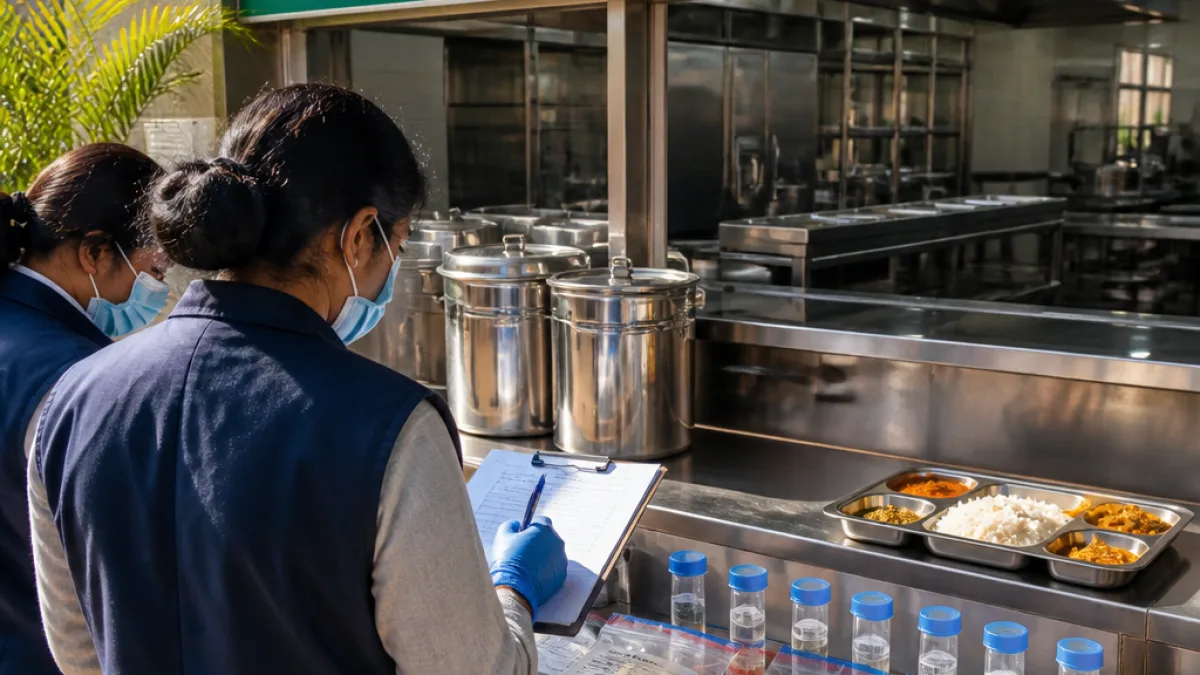
Bengaluru’s food safety authorities have intensified inspections of hospital canteens after officials found expired food products during a check at a hospital on Bannerghatta Road. The inspections highlight a less visible part of healthcare infrastructure: food served to patients, attendants and staff must meet the same safety standards expected of any institutional kitchen, particularly where consumers may already be medically vulnerable.
The inspection formed part of a wider exercise targeting hospital canteens and food-service areas across Bengaluru. Officials have been checking food products, storage conditions, hygiene practices and compliance with food safety requirements, with violations potentially leading to regulatory action. The discovery of expired products at a hospital canteen raises concerns about inventory management and basic food-safety controls. Expired ingredients can pose avoidable risks when used in meals, while inadequate storage or poor temperature control can create additional opportunities for contamination. Hospital food carries particular importance because patients may have weakened immunity or dietary requirements linked to their treatment. Food safety therefore needs to be integrated into hospital operations rather than treated solely as a routine commercial compliance issue. The inspections also underline the importance of accountability across institutional food supply chains. Canteens often handle large volumes of ingredients every day, making systematic stock rotation, expiry-date checks and documented storage procedures essential.
Responsibility can become fragmented when food services are outsourced, making clear contractual and operational oversight important. For Bengaluru, the issue extends beyond individual hospitals. The city has a large network of institutional kitchens serving schools, workplaces, hospitals and other facilities. Weaknesses in food handling at these locations can affect large numbers of people at a single site. Regular inspections can help identify problems before they result in foodborne illness, but enforcement alone cannot substitute for daily controls. Hospitals and food-service operators need functioning systems for procurement, storage, preparation, waste disposal and staff hygiene, supported by periodic internal audits. There is also a broader public-health dimension. Safe food is part of urban health infrastructure, alongside clean water, sanitation and waste management. As Bengaluru’s population and institutional facilities expand, food safety oversight will need to keep pace with the scale and complexity of the city’s food-service network.
The current inspections could provide useful evidence on recurring weaknesses if authorities publish aggregated findings and follow up on violations. Consistent enforcement, transparent corrective action and stronger institutional monitoring would help ensure that compliance does not become a one-time exercise. For patients and families, the expectation is straightforward: food served inside a healthcare facility should not introduce an additional health risk.Strengthening everyday food-safety systems can make hospital environments safer while reinforcing public confidence in Bengaluru’s wider healthcare infrastructure.