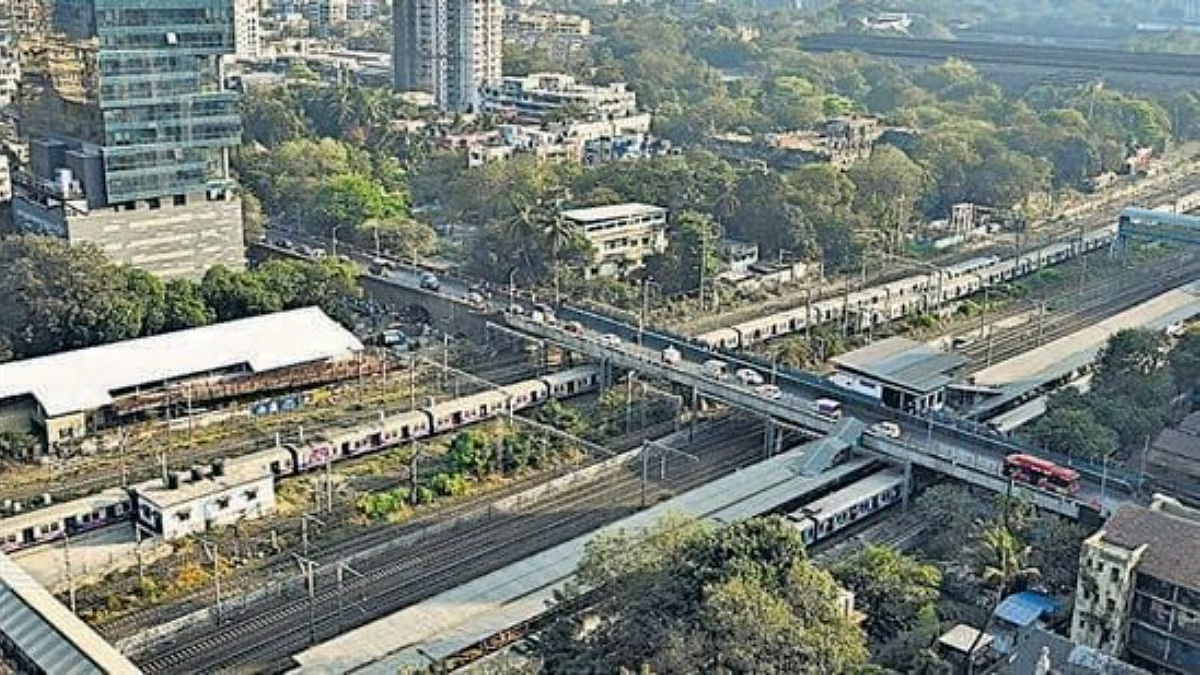
Mumbai Bridge Upgrade Targets Four Traffic Bottlenecks
Mumbai is advancing four major road-overbridge projects across Dadar, Byculla, Ghatkopar and Prabhadevi, with a combined investment of about ₹1,179 crore. The programme is aimed at replacing ageing crossings and improving movement across railway corridors that divide several busy neighbourhoods. Beyond easing vehicle delays, the projects will test how effectively Mumbai can modernise critical infrastructure while keeping rail operations, pedestrians and local businesses functioning during construction. The scale of the programme reflects the pressure on Mumbai’s older bridge network. Several crossings were built when traffic volumes and vehicle sizes were substantially lower. Replacing them with wider structures can increase capacity and improve structural reliability, but the benefits will depend on how new road space is integrated with public transport and surrounding streets.
Dadar’s Tilak Bridge is among the most significant interventions. The century-old crossing is being replaced with a six-lane cable-stayed structure of roughly 600 metres. The replacement follows a structural assessment that identified the need for a new bridge. The first three-lane arm is expected to become operational in 2027, with the complete structure targeted later in the year. At Byculla, a new cable-stayed bridge is being developed to replace the ageing Y Bridge. The approximately 916-metre structure must cross one of the city’s most complex urban environments, including the Central Railway corridor and the busy market area. Construction has required carefully timed engineering work to minimise disruption to railway operations and market activity. Ghatkopar is receiving another six-lane cable-stayed crossing on the Andheri-Ghatkopar Link Road over LBS Marg. The project is designed to strengthen the connection between the eastern and western sides of the suburb. Its phased construction is intended to keep traffic moving while the new structure rises above an already congested road network.
Prabhadevi presents a different proposition. The replacement for the demolished Elphinstone Bridge is being developed as a double-decker road-overbridge, with separate levels serving local traffic and the larger road connection associated with the Sewri-Worli corridor. The lower deck is also planned with pedestrian facilities. The project is targeted for completion in late 2026. For all four projects, construction logistics are as important as the finished structures. Working above active railway lines requires coordination among civic, railway, traffic and utility agencies, while large steel components and temporary traffic arrangements can create short-term disruption. The larger urban question is whether additional road capacity will translate into lasting mobility improvements. Bridge replacement is necessary for safety and capacity, but Mumbai’s long-term transport resilience will require these crossings to work alongside buses, suburban rail, walking infrastructure and demand-management measures.
If delivered with strong pedestrian access and reliable maintenance, the four projects can modernise critical links without simply shifting congestion to the next junction. Their ultimate value will be measured by safer crossings, smoother movement and better-connected neighbourhoods.