


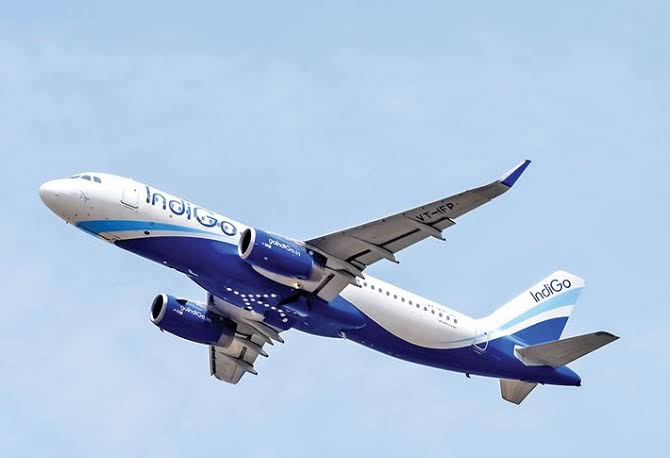
An Ahmedabad-bound commercial flight was delayed for more than three hours on Wednesday after a technical indication emerged moments before departure from Jaipur International Airport, prompting the airline to deboard all passengers as a precautionary measure. While no injuries or emergency situation were reported, the incident once again highlighted the growing importance of rigorous aviation safety protocols as domestic air travel continues to expand across India’s urban and business corridors.
The aircraft had completed passenger boarding and was in the pushback phase when cockpit systems detected a technical anomaly. Following standard operating procedures, the flight crew suspended the departure before the aircraft reached the runway. More than 70 passengers were escorted back to the terminal while engineering teams initiated a detailed inspection to determine the source of the fault. Airport operations continued without broader disruption, although passengers scheduled to travel on the Ahmedabad service experienced a delay of around three-and-a-half hours. Airline personnel informed travellers of the revised departure schedule while maintenance teams carried out technical checks before considering the aircraft fit for service. The incident reflects the aviation sector’s emphasis on preventive maintenance rather than operational continuity when technical alerts arise. Industry experts note that modern commercial aircraft are equipped with advanced diagnostic systems designed to identify irregularities before take-off, allowing flight crews to intervene before a minor issue can escalate into a larger operational or safety concern.
For Ahmedabad, one of western India’s fastest-growing business and industrial centres, dependable air connectivity remains central to economic activity. The city serves as a major destination for manufacturing, pharmaceuticals, financial services and emerging technology sectors, making schedule reliability important for both corporate travellers and supply chain efficiency. However, aviation specialists argue that maintaining strict engineering standards is essential to preserving long-term confidence in rapidly expanding domestic air networks. The episode also underlines the operational pressures facing Indian airports, where increasing passenger volumes demand greater resilience in aircraft maintenance, ground handling and turnaround management. Urban transport analysts believe investments in predictive maintenance technologies, digital monitoring systems and enhanced engineering capacity will become increasingly important as airlines expand fleets and frequencies across high-demand routes.
Although the delay inconvenienced passengers, aviation regulators and safety professionals consistently maintain that technical warnings must be investigated thoroughly, regardless of their eventual severity. Such precautionary actions form part of internationally accepted safety management systems aimed at minimising operational risks before aircraft enter active flight. The aircraft was expected to resume its journey only after engineers completed inspections and confirmed that all systems met mandatory airworthiness requirements. As India’s aviation market continues to grow alongside expanding urban economies, balancing operational efficiency with uncompromising safety standards will remain critical to building resilient and reliable transport infrastructure.
Also Read: Pune Baramati Trainer Aircraft Landing Raises Safety Review
Ahmedabad Flight Delay Follows Technical Safety Check
