


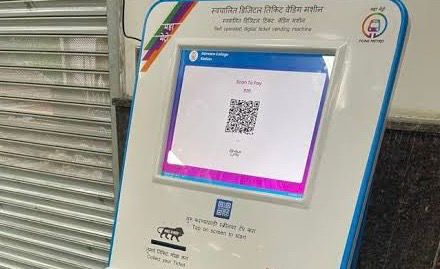
Pune Metro commuters faced significant disruption on Tuesday morning due to a major outage in the online ticketing system. The malfunction left passengers unable to obtain tickets despite successful payment transactions, causing considerable inconvenience and chaos at various metro stations.
The outage, which affected the metro’s official app, WhatsApp booking service, and ticket booths, led to chaotic scenes at key stops including PMC, Deccan Gymkhana, Shivajinagar, Civil Court, Pune Station, Vanaz, Garware, and PCMC. The system remained down for more than three hours, significantly impacting the morning rush hour.
In response to the system crash, commuters were left with limited options for purchasing tickets. They could only resort to cash counters and bank card transactions, both of which experienced long queues and delays. The Maharashtra Metro Rail Corporation Limited (Maha-Metro) confirmed the cause of the outage, stating, “The payment gateway of the bank that handles Pune Metro’s online ticketing crashed at 9:10 am on Tuesday, affecting the services. The bank restored the system at 1:30 pm.”
The disruption not only frustrated daily commuters but also highlighted vulnerabilities in the metro’s reliance on digital payment systems. A commuter at the Pune Railway Station metro stop expressed their dissatisfaction, saying, “No official could give us a satisfactory reply. They advised us to get paper-based tickets from counters.” This sentiment was echoed by many who felt that the response from metro officials was inadequate given the scale of the disruption.
The outage underscores the critical need for robust backup systems and contingency plans to handle such technical failures. With increasing dependence on digital transactions, ensuring the reliability and resilience of these systems is paramount. The incident also raises questions about the metro’s preparedness for similar issues in the future and the efficacy of its communication with passengers during emergencies.
Furthermore, the timing of the outage, coinciding with the peak morning commute, exacerbated the situation. Many passengers were late for work and other commitments, leading to widespread dissatisfaction. The restoration of the online system at 1:30 pm, though a relief, came too late for many who had already faced significant delays and inconvenience.
The Pune Metro’s ticketing system crash on Tuesday morning highlights the need for improved technological infrastructure and better crisis management strategies. While digital systems offer convenience and efficiency, their failures can lead to significant disruptions. Ensuring that robust support mechanisms are in place will be crucial for maintaining commuter trust and service reliability in the future.
