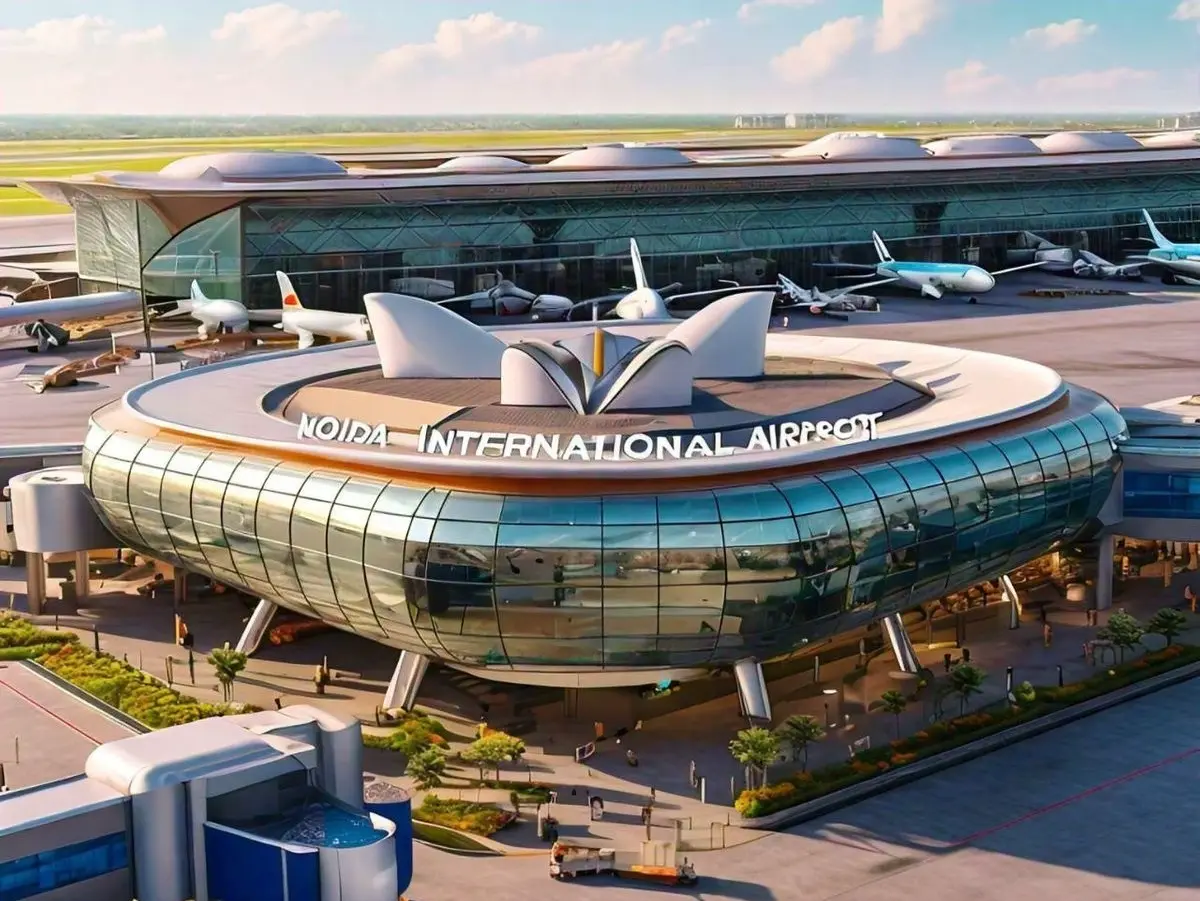
Delhi NCR Flyers Reluctant To Shift From IGI As Noida Airport Nears Launch With commercial operations at the upcoming Noida International Airport expected to begin next month, early public sentiment across Delhi-NCR indicates that the region’s newest aviation hub may face significant commuter hesitation despite being positioned as a long-term solution to congestion at Indira Gandhi International Airport.
A large-scale citizen survey conducted across major NCR cities suggests that higher travel costs, weak last-mile connectivity and longer surface travel times are discouraging many passengers from considering the new airport for routine travel. The findings raise broader questions about how large transport infrastructure projects are integrated into existing urban mobility systems and whether affordability has been adequately factored into regional aviation planning. The airport, developed with an investment exceeding ₹11,000 crore, is expected to initially handle more than one crore passengers annually and serve as a secondary aviation gateway for the National Capital Region. However, aviation analysts and urban mobility experts say the project’s success will depend less on terminal capacity and more on seamless public transport integration and pricing parity with Delhi’s existing airport network.
Survey responses collected from residents across Delhi, Noida, Gurugram, Faridabad and Ghaziabad indicate that a substantial share of frequent flyers would continue using Delhi airport if ticket prices from Jewar remain significantly higher. Many respondents reportedly viewed accessibility as a decisive factor, especially for business travellers and middle-income households already burdened by rising urban transport costs. Industry submissions to the aviation regulator have also highlighted concerns around proposed user development fees and airport charges at the new facility. Airlines operating in the region have warned that elevated operational costs may directly influence ticket pricing, potentially making flights from Noida International Airport less competitive during its initial years. The issue has drawn attention from transport planners who argue that airport-led urban expansion cannot rely solely on aviation infrastructure while neglecting multimodal connectivity. At present, metro and regional rapid rail links to the airport remain under development, meaning passengers from central Delhi and several NCR districts may continue depending on private vehicles or long-distance road travel.
Urban development observers note that the challenge reflects a wider pattern seen in fast-growing metropolitan regions, where large infrastructure assets are commissioned ahead of supporting transit ecosystems. Without integrated rail access, affordable feeder systems and transit-oriented planning, new airports risk becoming car-dependent infrastructure nodes that increase congestion and emissions rather than reducing them. The Uttar Pradesh government has already introduced lower aviation turbine fuel taxes to improve the airport’s competitiveness, while additional domestic routes are expected to be rolled out in phases after launch. Yet experts believe traveller adoption will ultimately depend on whether commuting time, affordability and public mobility improve simultaneously. As NCR’s aviation footprint expands, the debate surrounding Noida International Airport is increasingly becoming not just about air travel capacity, but about how future urban infrastructure can remain accessible, climate-conscious and citizen-centric in one of India’s fastest urbanising regions.