


Gurugram has cleared a ₹440-crore urban sanitation overhaul at a time when mounting waste collection disruptions and workforce shortages are exposing structural gaps in the city’s civic management system. The five-year mechanised and manual sweeping initiative comes amid an extended sanitation workers’ agitation, raising wider questions around urban resilience, labour dependency, and the future of sustainable public service delivery in rapidly expanding NCR cities.
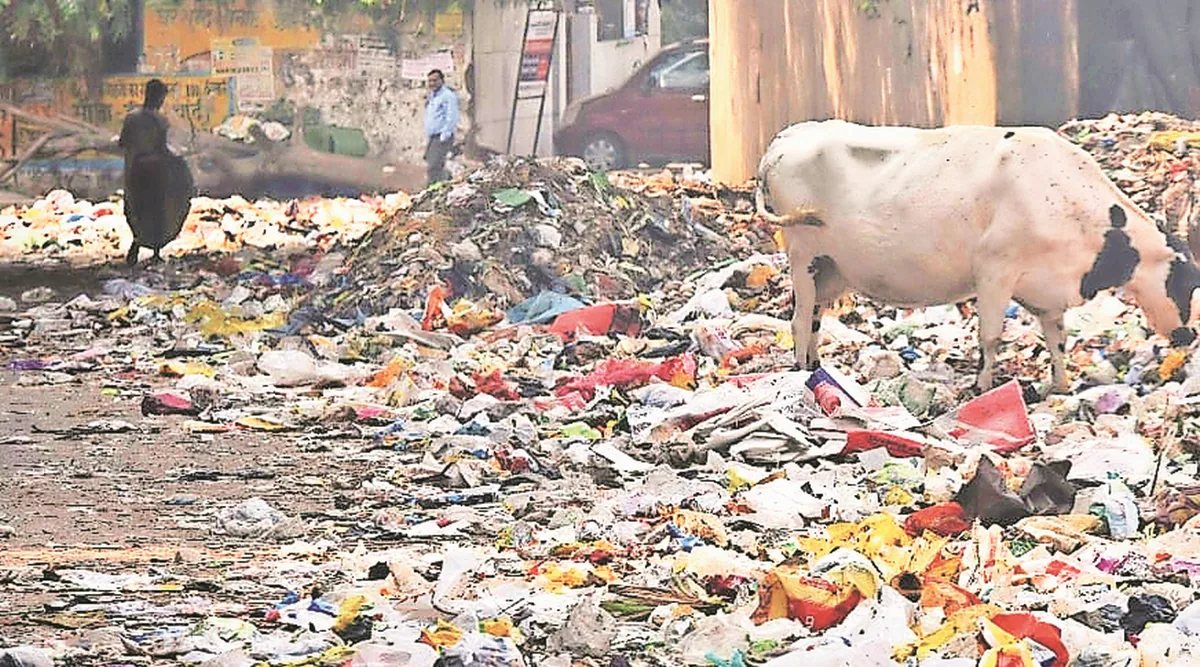
The Urban Local Bodies department has approved a city-wide road sweeping and sanitation framework that will divide Gurugram into two operational clusters covering all municipal zones. Officials involved in the planning process indicated that the project is designed to standardise waste collection, strengthen monitoring systems, and improve service accountability across residential and commercial neighbourhoods. The sanitation project arrives during one of the city’s most visible civic disruptions in recent years. Garbage accumulation across several sectors, delayed doorstep collection, and inconsistent street cleaning have intensified concerns among residents over the city’s preparedness to manage essential services during labour disputes. Urban planners say the situation highlights the vulnerability of fast-growing metropolitan centres that continue to depend heavily on fragmented sanitation networks and contract-based manpower systems.
As part of the new framework, civic authorities are expected to introduce digital mapping and zone-based monitoring to track cleaning operations more efficiently. Officials familiar with the plan said geographical mapping tools would help define sanitation responsibility areas more clearly, allowing residents to identify service gaps and enabling faster municipal response. The move reflects a broader shift among Indian cities towards data-led urban governance and measurable public service delivery. The Gurugram sanitation project also signals a growing preference for mechanised road sweeping as cities attempt to reduce dust pollution and improve environmental health indicators. Experts note that road dust remains a major contributor to poor air quality across NCR, particularly during dry months. Increased use of mechanised sweeping systems, if implemented effectively, could support cleaner streets while reducing particulate matter accumulation in high-traffic corridors.
However, labour representatives and governance observers caution that technology-driven sanitation systems cannot substitute workforce welfare and institutional coordination. Worker unions associated with the ongoing protest have continued to press for administrative intervention and policy assurances, warning that unresolved employment concerns could deepen operational instability. Civic analysts say sustainable urban sanitation requires both modern infrastructure investment and reliable labour frameworks. The timing of the sanitation overhaul is particularly significant as Gurugram prepares for upcoming national cleanliness assessments under urban ranking programmes. Municipal officials are expected to prioritise visible improvements in public hygiene, waste transportation efficiency, and resident participation in cleanliness reporting systems over the coming weeks. For Gurugram, the sanitation project represents more than a cleanliness drive. It reflects the increasing pressure on India’s high-growth urban centres to build dependable, climate-conscious, and citizen-focused municipal systems capable of supporting expanding populations and complex urban economies.
Also read:
Gurugram Sanitation Crisis Spurs Sweeping Overhaul
