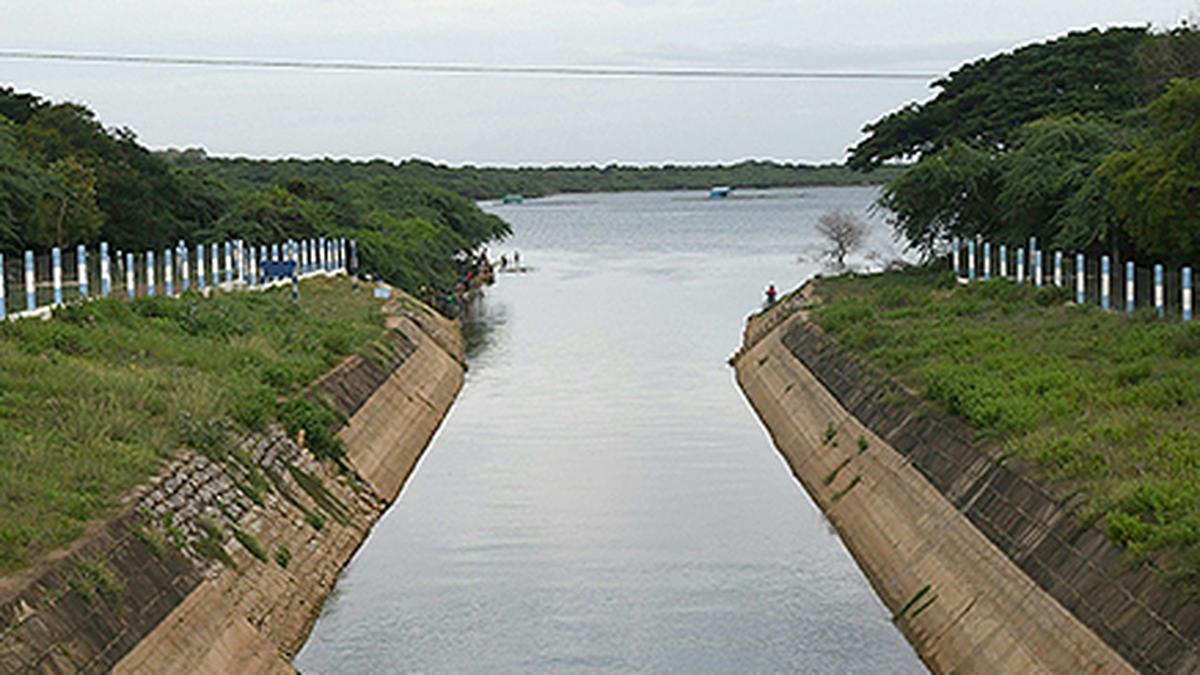
As Chennai enters the peak summer period with rising water demand, the city is expected to receive renewed Krishna water inflows from mid-May following a temporary suspension linked to maintenance works in Andhra Pradesh’s canal network. The resumed supply is likely to provide crucial support to urban water security and reduce pressure on local reservoirs ahead of the northeast monsoon season.
Officials in the state water management system indicated that inflows from the inter-state Krishna water arrangement are projected to restart around May 15 after nearly six weeks of interruption. The supply had been paused toward the end of March to facilitate upkeep activities in upstream infrastructure across Andhra Pradesh. Before the halt, Chennai had already received more than one thousand million cubic feet of water during the current transfer cycle. Urban planners say the Krishna water system has become increasingly important for Chennai’s climate resilience strategy as erratic rainfall patterns and prolonged dry spells place additional strain on conventional reservoirs. The city’s dependence on a diversified water portfolio including desalination plants, lake restoration, groundwater recharge and inter-state river sharing reflects the growing complexity of managing water in rapidly expanding metropolitan regions.
Water managers expect the second phase of Krishna water transfer to continue through June, with additional releases anticipated during the July-to-October period under the long-standing interstate agreement. Although the full allocation is not always drawn, particularly during years of strong monsoon storage, the availability of Krishna water provides operational flexibility during periods of elevated urban consumption. Current storage across Chennai’s principal reservoirs remains relatively stable despite summer evaporation losses. Data from the water resources network shows combined reserves in the city’s six major reservoirs standing above half of total designed capacity. Chembarambakkam and Red Hills continue to account for the largest share of stored water, while smaller reservoirs remain under closer monitoring due to lower holding volumes. Experts note that maintaining balanced storage distribution across reservoirs will be critical in the coming months, especially if rainfall variability intensifies. Authorities are reportedly assessing reservoir capacities and interlinking arrangements to optimise transfers between storage points and minimise supply disruptions across neighbourhoods.
The Krishna water supply also carries wider implications beyond immediate drinking water access. Stable urban water availability supports industrial activity, public health systems, construction operations and commercial growth in one of India’s largest metropolitan economies. At the same time, recurring dependence on external river systems has renewed debate among environmental experts about the need for stronger local watershed restoration, rainwater harvesting enforcement and wetland protection measures. With temperatures expected to remain high through early monsoon months, Chennai’s ability to manage both imported and locally stored water efficiently will remain central to ensuring equitable supply across residential and economic zones. Urban infrastructure specialists argue that long-term resilience will depend not only on emergency transfers but also on sustainable planning that reduces vulnerability to future climate shocks.