


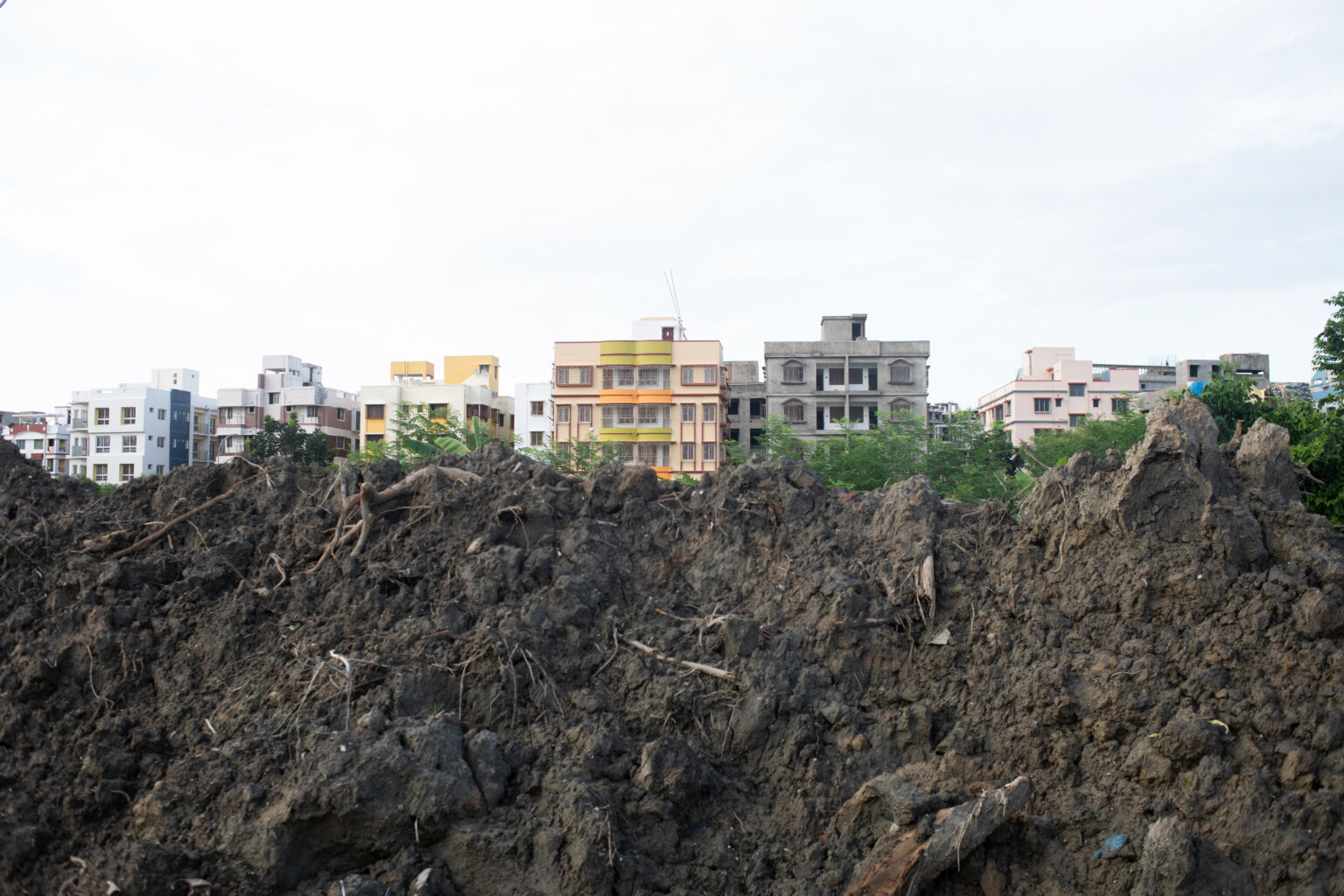
Efforts to accelerate industrial and urban growth in West Bengal are increasingly confronting structural barriers linked to land governance, project clearances and investor confidence, raising concerns over the state’s long-term economic competitiveness. While policymakers continue to position the region as a future manufacturing and logistics hub, unresolved land disputes and administrative delays are emerging as major obstacles to large-scale infrastructure and real estate expansion.
The debate has intensified as the state attempts to attract fresh investments across industrial corridors, warehousing, housing and transport infrastructure. Urban planners and market analysts say that despite strategic geographic advantages and access to ports, the pace of land aggregation and approval mechanisms continues to discourage several capital-intensive projects.The issue is particularly significant for rapidly urbanising districts surrounding Kolkata, where industrial parks, logistics hubs and township proposals are expected to reshape regional growth patterns over the next decade. However, fragmented land ownership, litigation and inconsistent records have complicated execution timelines. Experts note that these delays not only inflate project costs but also weaken the predictability investors seek in emerging urban markets.Industry observers argue that the state’s economic ambitions depend heavily on reforms that create transparent land access systems while balancing environmental safeguards and community rights. In dense peri-urban areas, infrastructure projects often compete with agricultural use, wetlands and informal settlements, creating additional pressure on planning authorities. The challenge is no longer limited to acquiring land but ensuring that development remains socially equitable and ecologically sustainable.
The broader concern extends to urban infrastructure delivery. Several proposed industrial and mobility projects require coordinated planning across transport, utilities and housing. Without integrated governance frameworks, experts warn that disconnected growth could intensify congestion, environmental degradation and uneven access to economic opportunities. This has placed renewed focus on how cities in eastern India manage expansion amid climate risks and rising population density.Economists tracking eastern India’s growth trajectory suggest that improving institutional credibility may be as important as fiscal incentives. Transparent compensation models, digitised land records and faster dispute resolution mechanisms are increasingly viewed as essential to unlocking infrastructure investment. Such reforms could also help reduce speculative real estate activity that frequently drives up land prices around proposed industrial zones.At the same time, civic groups and urban researchers caution against development strategies that prioritise speed over inclusivity. Large-scale urban transformation projects often risk displacing vulnerable communities unless rehabilitation and affordable housing measures are embedded early in planning processes. Sustainable economic growth, they argue, depends on balancing industrial expansion with environmental resilience and citizen-centric urban design.
For West Bengal, the coming years may determine whether it can convert policy ambition into durable economic momentum. The state’s ability to modernise land governance while building trust among investors and residents alike is likely to shape not only industrial growth but also the future of inclusive urbanisation across the region.
Read More : Great Nicobar Project Faces Fresh Legal Questions
