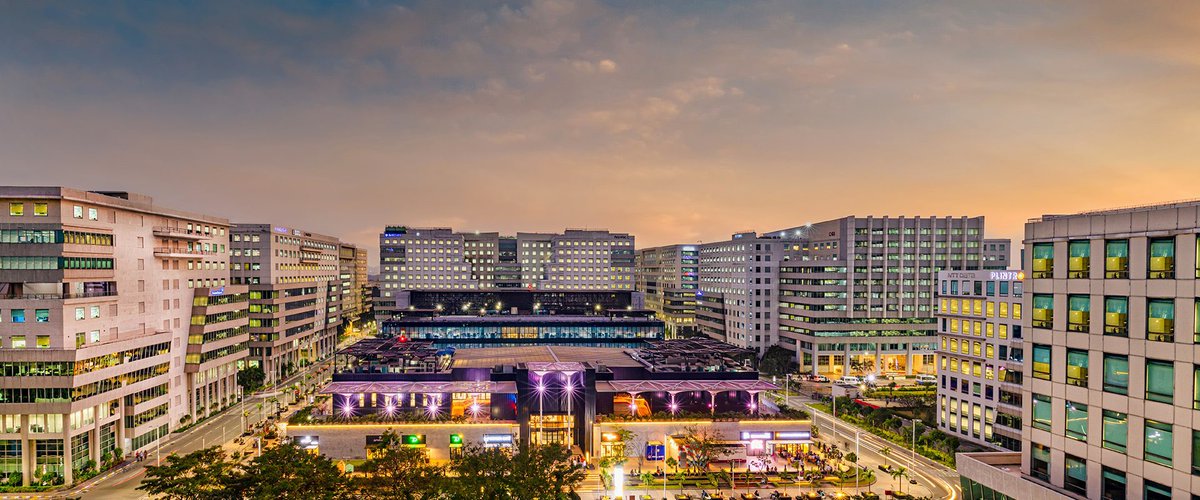
Chennai’s housing market opened 2026 with a fresh wave of residential expansion, as new project launches increasingly moved toward the city’s peripheral growth corridors. The trend reflects how rising demand from high-income professionals, expanding Global Capability Centres (GCCs), and infrastructure-led urbanisation are reshaping the metropolitan region’s real estate geography while also raising questions around sustainable urban growth.
Data from the first quarter of 2026 indicates that nearly 3,700 housing units were launched across Chennai, with southern suburban clusters emerging as the city’s most active residential zone. Areas around Manapakkam and adjoining neighbourhoods accounted for the largest share of new supply, signalling continued investor and developer confidence in locations connected to office corridors, metro expansion and airport-linked infrastructure. Urban planners say the shift is part of a broader restructuring of Chennai’s residential market, where buyers are increasingly moving away from dense central districts in search of larger homes, integrated townships and improved liveability. The expansion of GCC campuses across the city has also altered housing demand patterns, especially among technology and finance professionals seeking proximity to employment hubs while avoiding saturated urban pockets.
Suburban western and northern micro-markets also registered notable project activity during the quarter. Industry observers attribute this to improving transport connectivity, relatively lower land costs and growing social infrastructure such as schools, healthcare facilities and retail clusters. However, planners caution that rapid suburbanisation without coordinated mobility and environmental planning could intensify pressure on wetlands, water resources and peri-urban ecosystems already vulnerable to climate stress.The Chennai real estate market has witnessed a visible increase in premium and upper mid-segment housing launches over the past year. Analysts note that developers are increasingly prioritising larger apartment formats and gated developments aimed at high-income households employed in export-oriented service sectors. While this has strengthened market absorption in select corridors, it has also widened concerns over housing affordability for middle- and lower-income residents.
Experts tracking Chennai’s urban expansion believe the city is entering a phase where employment-led residential growth must be balanced with long-term sustainability goals. Several emerging housing corridors continue to face uneven drainage networks, traffic bottlenecks and limited public transport integration despite strong private investment. Climate resilience experts also warn that unchecked construction near flood-prone zones could amplify future urban risks, particularly during extreme rainfall events.The growing influence of GCC-led economic activity on Chennai’s housing sector is expected to continue through the year as multinational firms expand operations in southern India. Yet urban policy specialists argue that future growth cannot rely solely on real estate momentum. They say coordinated planning around mobility, affordable housing, groundwater management and green public spaces will determine whether Chennai’s next phase of expansion becomes more inclusive and resilient or deepens existing urban inequalities.