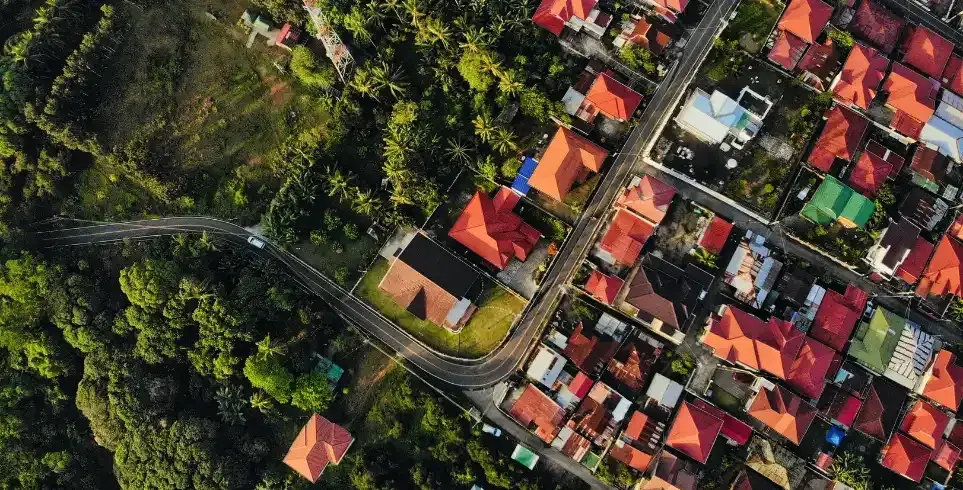
West Chennai is rapidly transforming into one of the city’s most active residential and infrastructure growth zones, as large-scale transport projects, industrial expansion and rising employment generation reshape housing demand beyond the traditional IT corridors. Urban planners and market observers say the shift reflects a broader transition in Chennai’s metropolitan growth pattern, where affordability, connectivity and integrated planning are increasingly influencing homebuyer decisions.
Localities along the western corridor, particularly Thirumazhisai and surrounding suburban belts, are witnessing sustained interest from developers and investors as land availability within the city core becomes constrained. The emerging growth has been closely linked to expanding industrial and office activity across the Sriperumbudur manufacturing region, which continues to attract investments in automobiles, electronics and supply-chain industries. Recent market assessments indicate that Chennai’s residential sector recorded steady growth during the first quarter of 2026, despite moderation in several other major Indian cities. Analysts tracking the city’s housing market point to rising absorption in peripheral zones where larger township projects and mixed-use developments are becoming financially viable. The West Chennai corridor has particularly benefited from improved regional connectivity and lower entry costs compared to established urban neighbourhoods.
Infrastructure upgrades are playing a central role in this transition. Improved access through the Chennai-Bengaluru Highway and Outer Ring Road has significantly reduced commuting time between residential areas and employment centres. Urban mobility is expected to improve further with proposed Metro Phase 2 extensions, which planners believe could reshape commuter movement and reduce pressure on the city’s congested core.The proposed greenfield airport in the western belt is also emerging as a key trigger for future land and commercial activity. While the project remains under planning stages, experts say such infrastructure could influence logistics, warehousing and business investments across adjoining suburban zones. However, urban development specialists caution that transport-led expansion must be accompanied by sustainable land-use planning, water management systems and adequate public infrastructure to avoid replicating congestion and ecological stress seen in earlier urban growth corridors. Another major factor influencing the region’s transformation is the proposed Knowledge City project near Thirumazhisai. Envisioned as a large education and research ecosystem, the development is expected to strengthen social infrastructure in the western suburbs through universities, innovation centres and institutional campuses. Planners believe such projects can diversify employment opportunities beyond manufacturing and create a more balanced urban economy.
The rising preference for premium and integrated housing formats is also shaping the West Chennai corridor. Developers are increasingly focusing on gated communities with open spaces, public amenities and transit-linked access as buyers prioritise long-term liveability over proximity to the city centre alone. Urban economists note that Chennai’s next phase of expansion will depend on how effectively infrastructure growth is aligned with environmental resilience, affordable mobility and equitable access to housing. As western suburbs continue to urbanise, the challenge for policymakers will be ensuring that growth remains inclusive rather than speculative.