Chennai Electric Mobility Charging Hotspots Identified
A recent urban mobility assessment in Chennai has highlighted how gaps in electric vehicle readiness could slow down the city’s transition to cleaner transport systems, even as demand for EV adoption accelerates. Conducted through a collaboration involving an academic research centre and international partners, the study uses spatial mapping and predictive modelling to identify where charging infrastructure is most urgently required to support a growing electric mobility ecosystem.
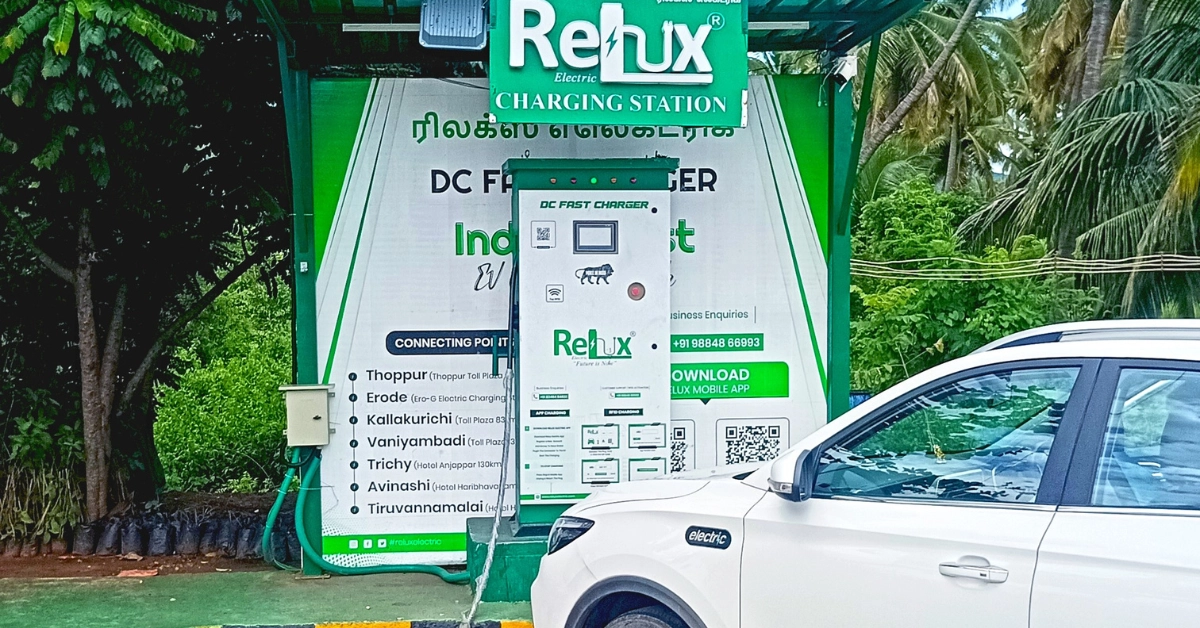
The assessment points to a persistent imbalance between policy ambitions and ground-level infrastructure. While charging points have expanded along major highways and select fuel outlets, many remain underutilised due to inconsistent maintenance and operational reliability. This has contributed to hesitation among potential EV users, particularly in densely populated urban neighbourhoods where dependable access is critical for daily commuting.The analysis places strong emphasis on urban density and mobility patterns, identifying corridors with high traffic flow, commercial concentration, and transit connectivity as priority zones. Areas such as Ashok Nagar, Thousand Lights, Aminjikarai, and Teynampet emerge as key locations where EV charging infrastructure Chennai could deliver immediate impact. The study further suggests that institutional campuses, metro rail stations, and public parking facilities offer scalable entry points for distributed charging networks, supporting both private and shared mobility models.
Officials familiar with the discussions note that the findings have already been presented in policy review meetings, where early-stage deployment strategies were discussed. A pilot initiative involving a solar-powered charging unit within an academic campus is being explored as a test case for integrating renewable energy with mobility infrastructure. This reflects a broader shift towards aligning clean energy generation with transport electrification strategies.The report also situates Chennai’s mobility transition within a wider environmental context. Transport emissions continue to rise in Tamil Nadu, reflecting increasing vehicle ownership and urban congestion. Against this backdrop, EV charging infrastructure Chennai is being viewed not just as a convenience layer, but as a structural requirement for achieving long-term emissions reduction targets and improving urban air quality.
Urban planners suggest that the success of electric mobility will depend on more than installation numbers. Factors such as reliability, geographic distribution, grid readiness, and equitable access across income groups will determine adoption rates. Without addressing these, the risk remains that EV growth will concentrate in limited urban pockets rather than becoming a city-wide transition. As Chennai continues to evolve as a high-density metropolitan region, the challenge ahead lies in synchronising infrastructure planning with mobility behaviour. The next phase will likely depend on how effectively public agencies, planners, and energy systems coordinate to ensure that charging networks grow in step with demand, rather than trailing behind it.