


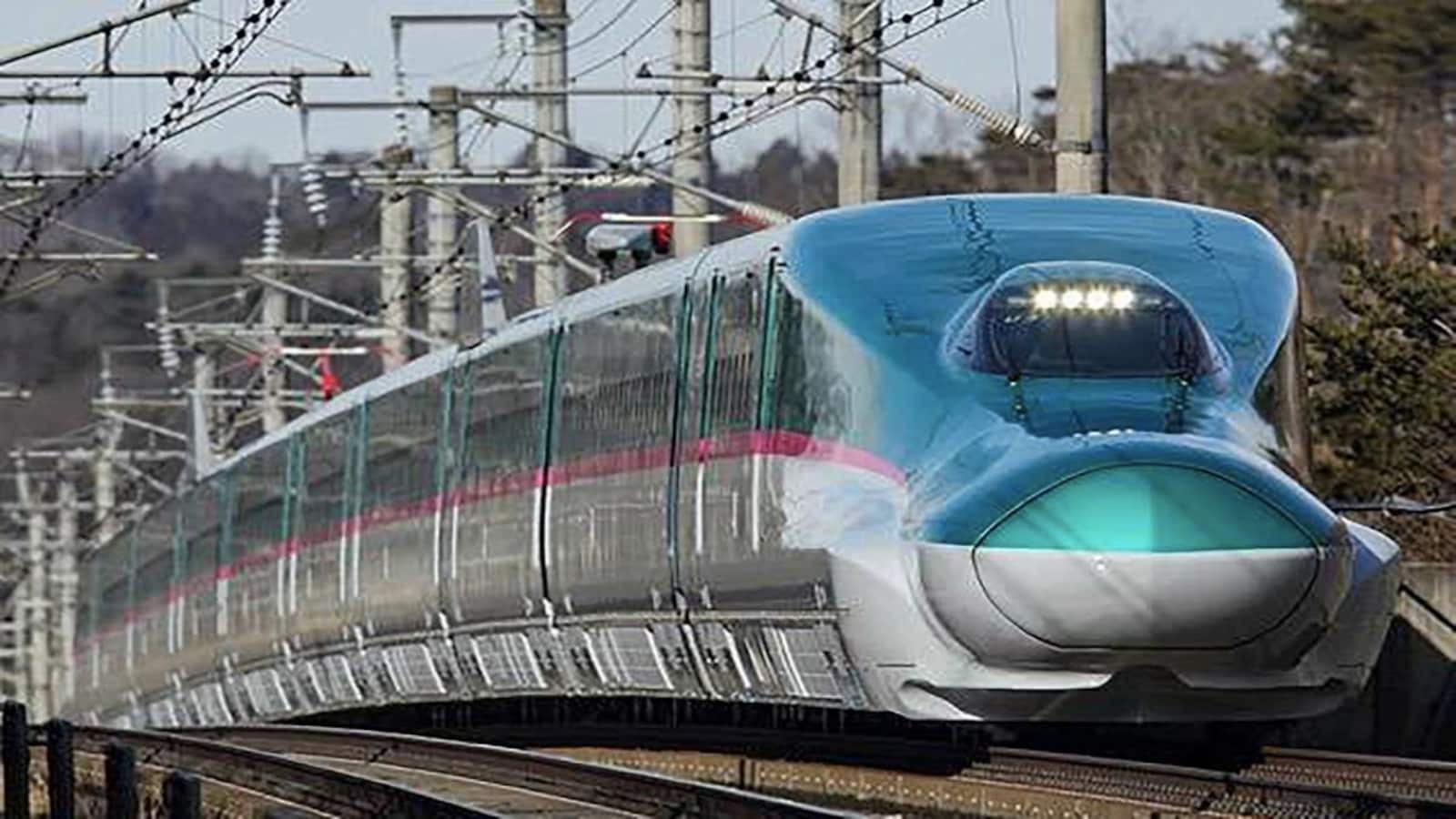
A proposed high-speed rail connection between Bengaluru and Mysuru is emerging as a major infrastructure vision that could significantly alter regional mobility, economic integration, and urban expansion patterns across southern Karnataka.The planned Bengaluru Mysuru bullet train corridor is being examined as part of broader efforts to modernise intercity transport and reduce travel times between two of the state’s most economically and culturally important urban centres.
Infrastructure experts say the project could eventually compress travel time to around 30 minutes, dramatically changing commuter and business movement within the region.Urban mobility researchers believe the corridor may influence how Karnataka approaches future metropolitan growth.Faster rail connectivity could strengthen economic integration between Bengaluru’s technology-driven economy and Mysuru’s expanding education, tourism, manufacturing, and services sectors.The Bengaluru Mysuru bullet train proposal also reflects a wider national push toward high-speed mobility systems aimed at reducing pressure on congested highways and short-haul aviation routes.Transport planners note that southern India’s rising urbanisation and growing intercity travel demand are increasing the need for alternatives to road-based transport networks.If implemented, the project could reshape development patterns along the Bengaluru-Mysuru growth belt, where industrial clusters, logistics infrastructure, and residential townships have expanded rapidly over the past decade.
Analysts expect improved regional accessibility to increase commercial activity around transit-linked zones while attracting fresh investment into secondary urban centres.However, urban development specialists caution that high-speed rail infrastructure can trigger uneven real estate growth and ecological stress if planning frameworks remain weak. Experts emphasise the need for balanced land-use regulation, sustainable station-area development, and protection of agricultural and environmentally sensitive zones along proposed corridors.The Bengaluru Mysuru bullet train project also raises broader questions around climate-responsive transport planning. Sustainability researchers argue that electrified high-speed rail systems have the potential to lower transport emissions when integrated with clean energy systems and strong public transit connectivity. Reducing long-distance private vehicle dependence could also help improve regional air quality and reduce highway congestion.At the same time, economists note that large-scale infrastructure projects require careful assessment of affordability, ridership viability, and long-term public benefit. Ensuring equitable access and integration with existing mobility systems will likely become central to policy discussions as the proposal advances.
For Bengaluru, the corridor could represent more than a transport upgrade. It signals an evolving shift toward regional economic networks where neighbouring cities become more interconnected through faster and more efficient mobility systems.As Karnataka explores the next phase of infrastructure-led growth, the long-term success of the Bengaluru Mysuru bullet train vision may ultimately depend on whether speed, sustainability, and inclusive urban planning can progress together rather than in isolation.
Also Read:Bengaluru Mango Festival Boosts Local Farm Economy
