


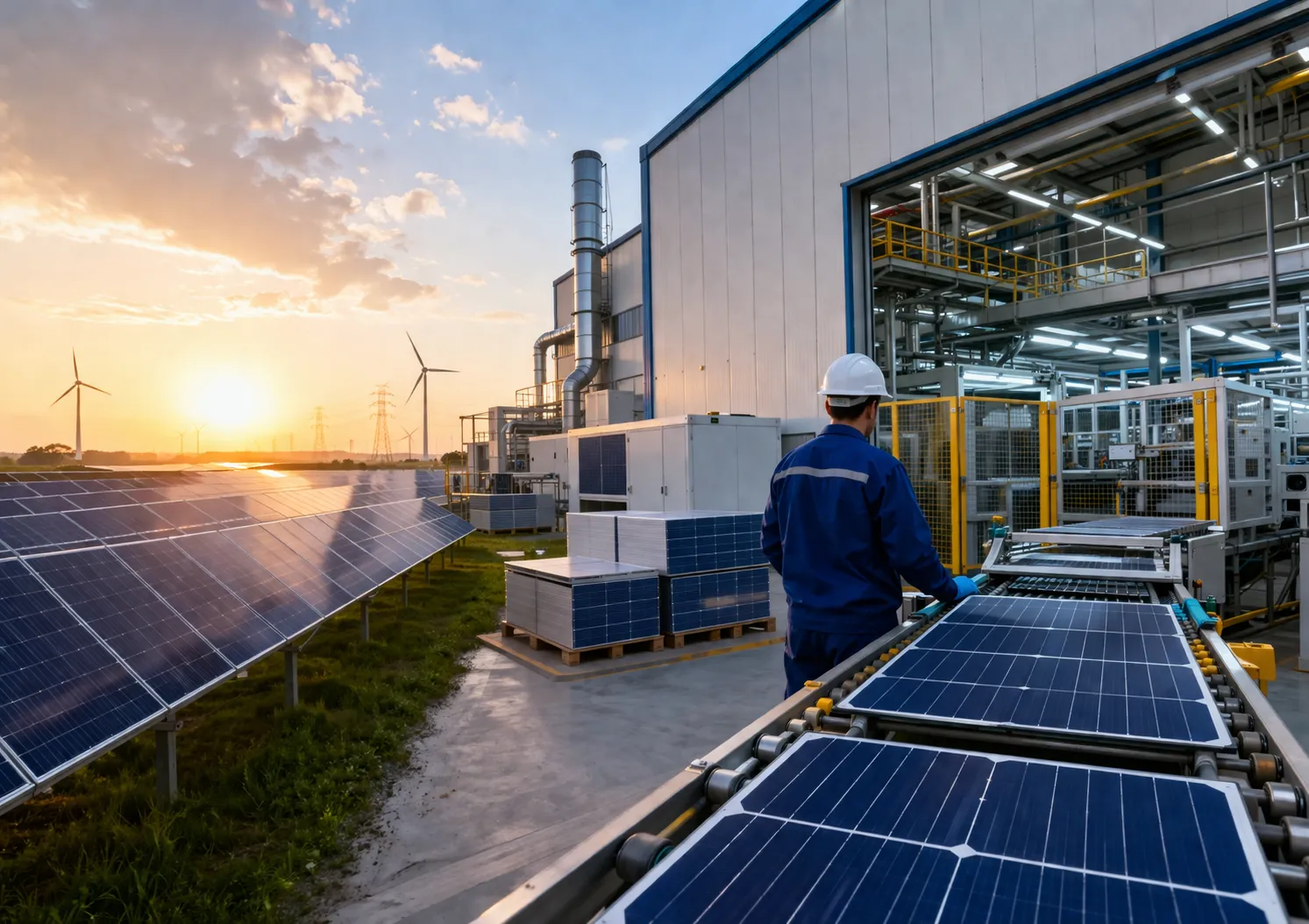
West Bengal Power Transition: West Bengal’s state-owned power utility is accelerating major generation projects even as the energy sector faces mounting pressure to balance rising electricity demand with cleaner and more climate-resilient infrastructure. The move reflects a wider shift underway across India’s urban and industrial regions, where energy security, air quality concerns and renewable integration are increasingly intertwined.
A senior project executive at the state power corporation has emerged as a key figure in steering large thermal power developments and operational upgrades across West Bengal. Industry records show the official has overseen the execution of large-scale supercritical thermal projects and system modernisation initiatives aimed at improving efficiency in ageing power infrastructure.The corporation, which operates several thermal power stations across the state, has expanded its installed capacity in recent years while also exploring renewable energy and battery storage projects. Publicly available sector data indicates that a new 660 MW supercritical unit at Sagardighi has moved toward commercial operations, adding to the state’s baseload capacity at a time when urban power demand continues to grow.The expansion comes as eastern India witnesses rapid industrialisation, increased electrification and rising summer demand linked to urban growth and extreme weather conditions. Energy analysts note that reliable supply remains critical for transport systems, healthcare, housing and manufacturing clusters in and around Kolkata and emerging industrial corridors.
The ongoing West Bengal Power Transition is pivotal for the future energy landscape of the region.
However, the continued reliance on coal-based generation also raises questions around emissions, water use and long-term sustainability. Urban planners and environmental experts argue that while supercritical technology is more efficient than older thermal systems, future investments will increasingly be judged on their compatibility with India’s climate targets and local pollution management standards.The West Bengal Power Transition is being driven by the utility’s simultaneous initiation of cleaner energy measures, including floating solar proposals and pollution-control retrofits at existing plants. Sector reports suggest flue gas desulphurisation systems and emissions-control technologies are being prioritised at select facilities to meet tightening environmental norms.The broader transition is already reshaping infrastructure planning in the state. Battery energy storage projects linked to the grid are being introduced to support renewable integration and stabilise supply during peak demand periods. Earlier this year, a large-scale storage project was proposed in West Bengal under a long-term power procurement arrangement, signalling a gradual diversification beyond conventional coal assets.
Energy economists say the challenge for utilities will be maintaining affordable electricity while investing in cleaner systems that reduce long-term environmental and public health costs. For fast-growing cities and peri-urban regions, dependable power infrastructure remains central to economic activity, but future urban resilience will depend equally on how quickly utilities modernise grids, improve efficiency and integrate low-carbon energy sources.As India’s eastern states expand industrial and urban capacity, the direction taken by public utilities in West Bengal may become a key indicator of how legacy thermal infrastructure adapts to the country’s evolving energy transition.
Read More : Bengaluru Master Plan Push Targets Global City Transformation

