


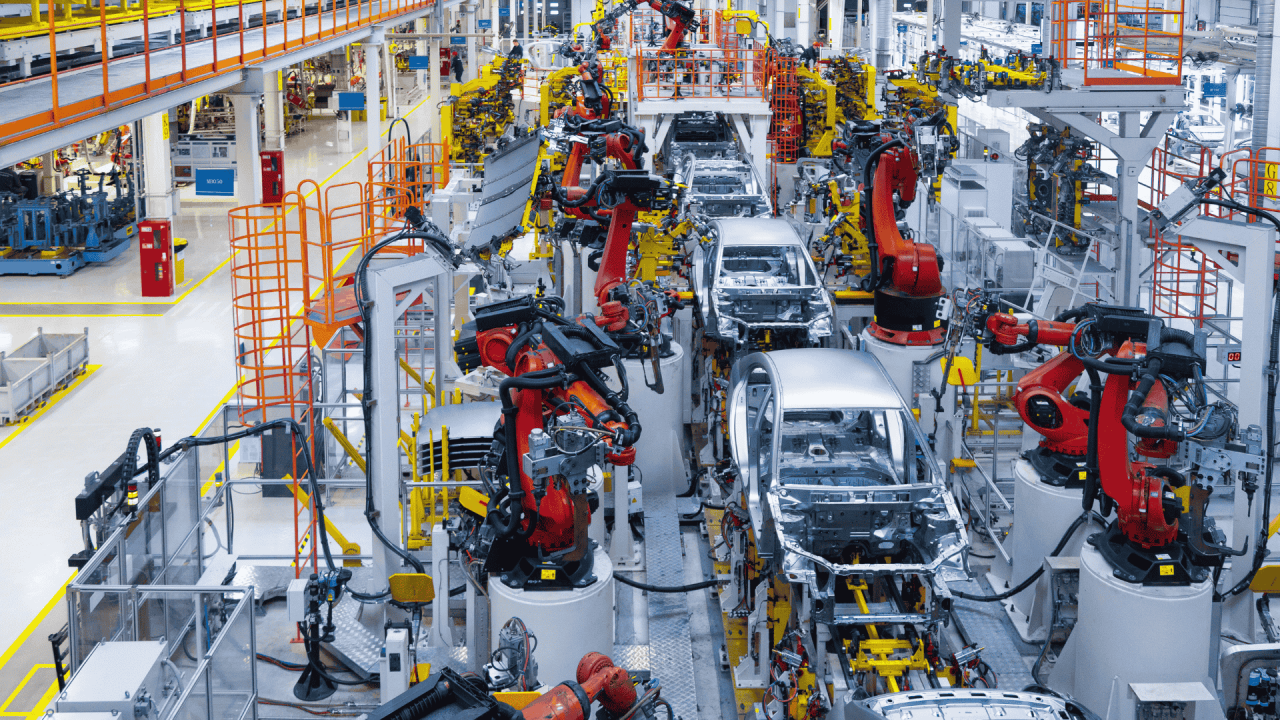
A proposed ₹40,000 crore investment plan to develop a large-scale industrial hub in Maharashtra is being positioned as a catalyst for expanding economic activity around Nagpur, with significant implications for urban growth, infrastructure demand, and regional equity. The initiative reflects a broader effort to decentralise industrial development and strengthen emerging urban centres beyond traditional strongholds. Officials indicate that the investment will prioritise industrial infrastructure, logistics networks, and connectivity upgrades.
Nagpur’s central location within India, combined with its established freight corridors and expanding warehousing ecosystem, makes it a strategic choice for scaling manufacturing and distribution activities. The city is increasingly being viewed as a gateway linking multiple regional markets. The Nagpur industrial hub investment is expected to generate employment and stimulate ancillary sectors, including transport, services, and housing. For surrounding semi-urban and rural areas, this could translate into new income streams and reduced dependence on migration to larger metropolitan regions. However, urban development experts warn that rapid industrial expansion without parallel civic planning could strain existing systems. Increased activity is likely to place pressure on housing supply, water resources, transport infrastructure, and waste management. Without integrated planning, there is a risk of unplanned sprawl and uneven development across the region. Environmental considerations are also central to the discussion. The scale of the Nagpur industrial hub investment could lead to increased energy consumption and resource extraction if sustainability measures are not embedded early. Experts advocate for incorporating renewable energy, efficient land use planning, and strict environmental safeguards to ensure long-term resilience. From a real estate perspective, the announcement is expected to drive land demand and accelerate development in Nagpur’s peripheral areas. While this can unlock economic value, it also raises concerns around affordability and speculative land activity. Policymakers may need to ensure that growth benefits a wider population, rather than concentrating gains among a limited set of stakeholders. Industry analysts note that diversifying industrial growth into cities like Nagpur can help decongest established hubs while creating balanced regional development.
However, success will depend on execution—timely infrastructure delivery, transparent regulatory frameworks, and coordinated governance across agencies. As Maharashtra advances this plan, Nagpur’s trajectory could serve as a test case for how emerging cities manage large-scale industrialisation. The challenge will be to align economic ambition with sustainable urban planning, ensuring that growth enhances liveability while safeguarding environmental and social priorities.
READ MORE – Indore Construction Bye Laws To Reward Sustainability
Nagpur Industrial Growth Plan Raises Urban Questions
