


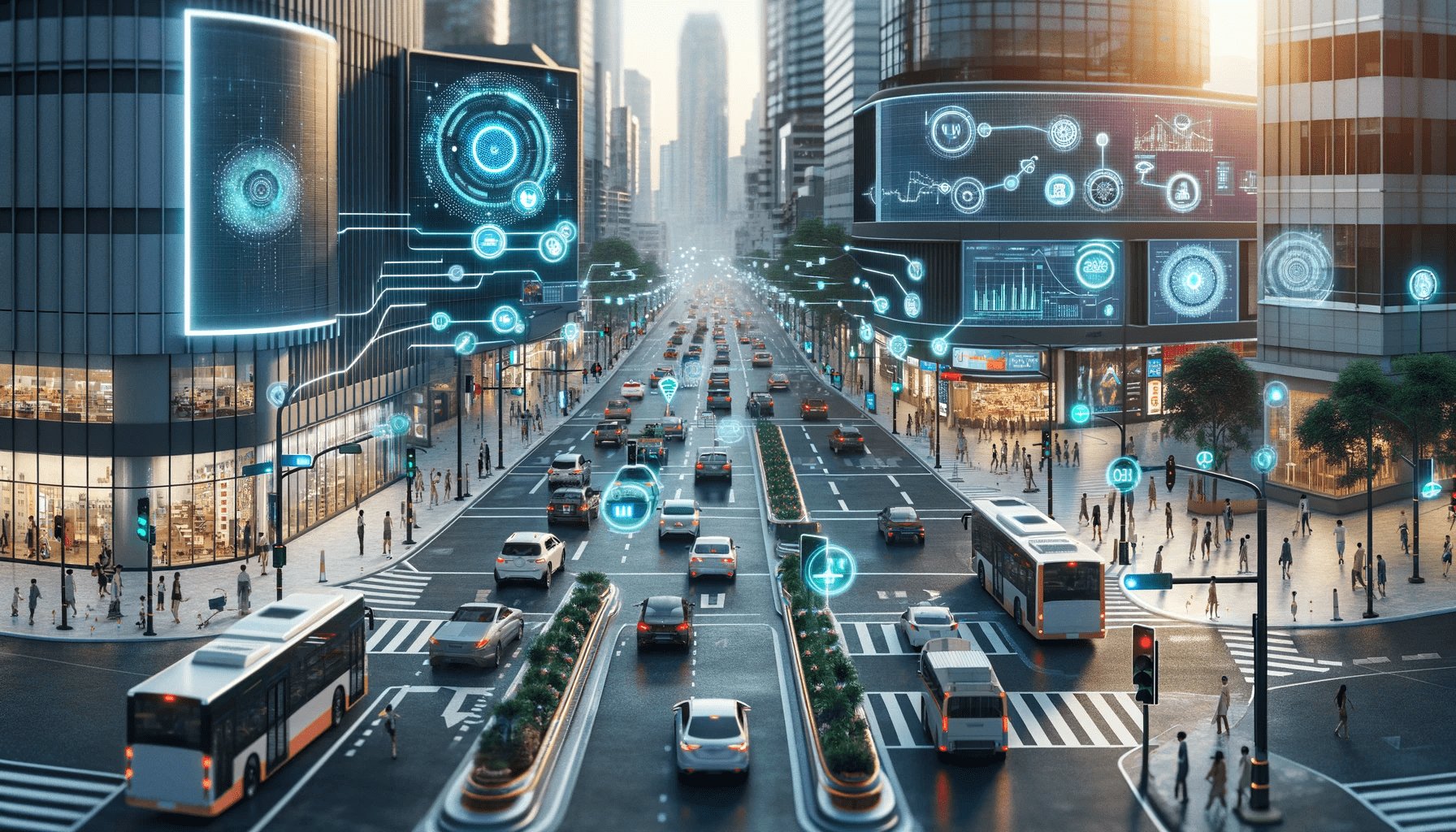
Bengaluru is set to pilot a new approach to urban governance as a leading research institution partners with a Japanese technology firm to address persistent gaps in city data using artificial intelligence. The collaboration aims to strengthen how urban information is collected, processed and applied, particularly in areas such as infrastructure planning, mobility and environmental monitoring.
At the core of the initiative is the recognition that incomplete or fragmented datasets continue to limit effective decision-making in rapidly expanding cities. Bengaluru, like many Indian metros, relies on multiple agencies to manage transport, land use, utilities and public services, often resulting in siloed information systems. The new partnership seeks to bridge these divides by using AI-driven tools to integrate and analyse diverse data streams.Urban planners suggest that closing these urban data gaps could significantly improve policy outcomes.Reliable, real-time information can help authorities anticipate demand, optimise resource allocation and respond more effectively to emerging challenges such as congestion, flooding and air pollution.By enabling predictive insights, AI applications have the potential to shift city management from reactive to proactive models.The collaboration is also expected to explore how advanced analytics can support climate-resilient planning. With cities facing increasing environmental stress, accurate data on land use patterns, energy consumption and weather variability is essential for designing adaptive infrastructure. AI systems can process large volumes of such data, identifying patterns that may not be visible through conventional analysis.
However, experts caution that the success of such initiatives depends not only on technological capability but also on governance frameworks. Issues related to data standardisation, interoperability and privacy will need careful consideration. Without clear protocols, the integration of multiple datasets could lead to inconsistencies or misuse.There are also broader economic implications.Strengthening urban data systems can improve investor confidence by providing greater transparency in infrastructure planning and service delivery.For Bengaluru’s innovation ecosystem, the project reinforces the city’s role as a hub for cutting-edge research and technology development, potentially attracting further collaborations in the urban tech space.From a citizen perspective, improved data systems could translate into more efficient public services, from better traffic management to timely waste collection and enhanced disaster response. However, ensuring that these benefits are equitably distributed across different neighbourhoods will remain a key challenge.The initiative highlights a growing trend where cities are turning to global partnerships to solve local urban challenges.
By combining academic research with industry expertise, such collaborations aim to accelerate the deployment of scalable solutions.As Bengaluru embarks on this effort to address urban data gaps, the focus will be on translating technological innovation into tangible improvements in city living. If implemented effectively, the model could offer a blueprint for other cities seeking to harness AI for more informed, inclusive and sustainable urban development.
Also Read:Bengaluru Metro early service for marathon event
