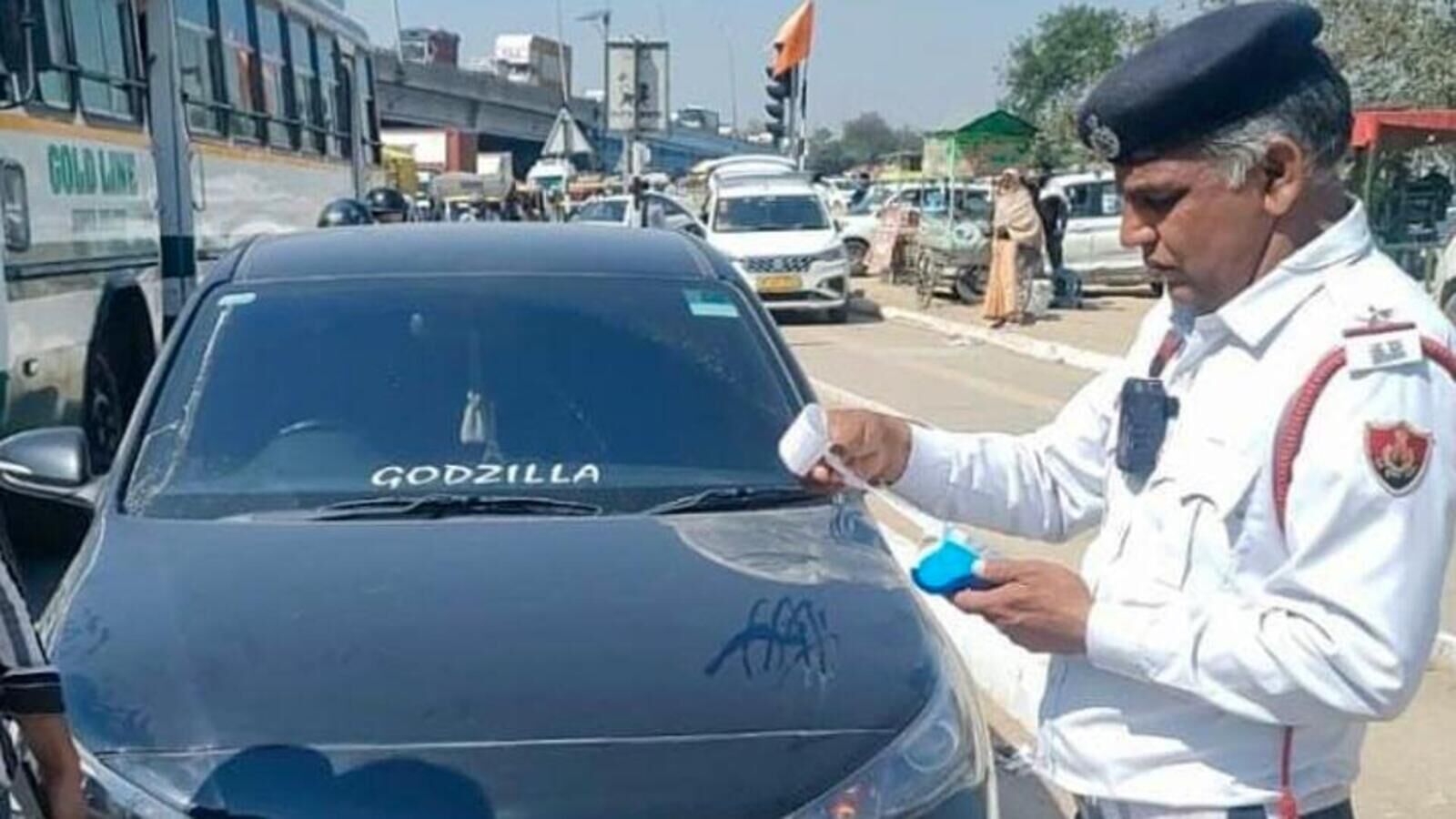
Gurugram Cracks Down On Public Transport Compliance
Gurugram’s transport authorities have intensified enforcement against commercial drivers, issuing fines to over 800 cab, auto-rickshaw, and e-rickshaw operators within a span of 10 days for failing to comply with mandated uniform rules. The crackdown reflects a broader push to formalise and standardise the city’s public transport ecosystem as urban mobility pressures continue to rise.
The enforcement drive, led by traffic police in coordination with the transport department, is part of an ongoing effort to improve commuter safety and accountability. The uniform mandate—introduced in recent years—requires drivers to wear a prescribed outfit along with identification, enabling passengers to distinguish registered operators from unlicensed or informal service providers. The latest figures highlight the scale of non-compliance, with 817 violations recorded in a short enforcement window. Despite repeated awareness campaigns and earlier penalties, authorities indicate that adherence remains inconsistent across segments of the city’s transport network. The Gurugram driver uniform rules are positioned as a basic but critical component of urban mobility governance. Standardised uniforms and visible identification are intended to improve passenger trust, enhance traceability, and discourage illegal operations. For a city with a large share of app-based and informal transport services, such measures are increasingly seen as essential to regulating a fragmented mobility landscape.
Urban mobility experts argue that enforcement-led interventions often highlight deeper systemic challenges. In Gurugram’s case, the rapid expansion of residential and commercial zones has driven demand for last-mile connectivity, much of which is serviced by informal or semi-regulated transport modes. Without consistent monitoring and integration into formal systems, compliance gaps tend to persist. The Gurugram driver uniform rules also intersect with broader goals of improving commuter experience. Uniformed drivers are easier to identify, particularly for women, elderly passengers, and first-time users navigating unfamiliar routes. In this sense, the policy is not merely administrative but linked to perceptions of safety and reliability in public transport. However, enforcement alone may not ensure long-term compliance. Transport analysts suggest that sustained behavioural change requires a combination of incentives, awareness, and stakeholder engagement. Driver unions and aggregators could play a role in reinforcing compliance norms, while digital verification systems may reduce reliance on periodic physical checks.
The economic dimension is equally relevant. For many drivers operating on thin margins, penalties can add financial strain, particularly if enforcement is not accompanied by support mechanisms such as access to uniforms or clear communication of regulations. Balancing compliance with livelihood considerations remains a key challenge for urban authorities. The ongoing drive is part of a wider pattern of stricter traffic enforcement in Gurugram, where authorities have recently targeted violations ranging from lane discipline to safety gear usage. These efforts signal a shift towards tighter regulation of mobility systems as the city grapples with congestion, safety concerns, and rising commuter demand. As Gurugram continues to evolve as a major urban hub, the effectiveness of the Gurugram driver uniform rules will depend on sustained enforcement and systemic integration. Strengthening accountability within public transport networks could play a crucial role in building safer, more reliable, and inclusive mobility systems in one of NCR’s fastest-growing cities.