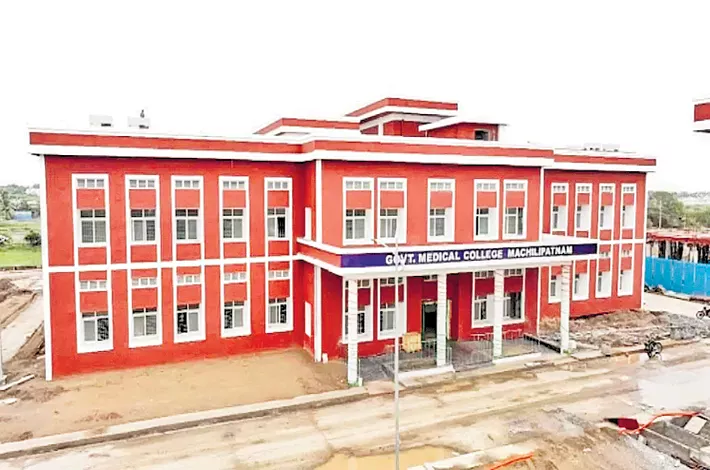
Andhra Pradesh is attempting something rare: building public medical infrastructure without waiting for public funds alone. The chief minister has directed officials to begin construction of four medical colleges under a public-private partnership model within one month, with six more to follow in a second phase. The announcement, made alongside the State Health Investment Policy 2026–31, signals a strategic shift toward blended capital — government land and regulatory support paired with private investment in construction and operations.
A state official confirmed that the PPP model is intended to accelerate timelines that conventional budgeting would stretch over a decade. The first phase will target select districts, though specific locations were not disclosed. Beyond medical colleges, the policy outlines multispecialty hospitals and a push for wellness tourism — an economic angle that positions healthcare as both a public good and a employment generator. A proposal for a naturopathy institute in Amaravati under the AYUSH Ministry is also being pursued. Public health economists note that Andhra Pradesh faces a dual challenge: doctor shortages in rural districts and rising out-of-pocket expenses for hospital care. New medical colleges, if strategically located, can address both by training more graduates and anchoring referral care. However, PPP models in healthcare have mixed records. When structured well, they bring efficiency and capital. When poorly regulated, they can lead to cost escalation and reduced access for low-income patients. The policy’s success will depend on whether the state retains pricing oversight and mandates service obligations for private partners.
The chief minister also addressed demographic shifts, noting a decline in fertility rates and calling for a refocus on balanced population growth through integrated health and nutrition strategies. This is a notable departure from India’s historical preoccupation with population control. It acknowledges that some districts now face ageing populations while others continue to grow — requiring differentiated health infrastructure planning. For Amaravati, the proposed naturopathy institute adds a wellness dimension to the capital region’s master plan. For the ten districts that will host new medical colleges, the impact could be transformative — if construction meets the one-month deadline and if PPP contracts serve patients, not just balance sheets. The policy window is open. The next year will show whether Andhra Pradesh can build its way to better health.
Andhra Pradesh Plans 10 PPP Medical Colleges Across State