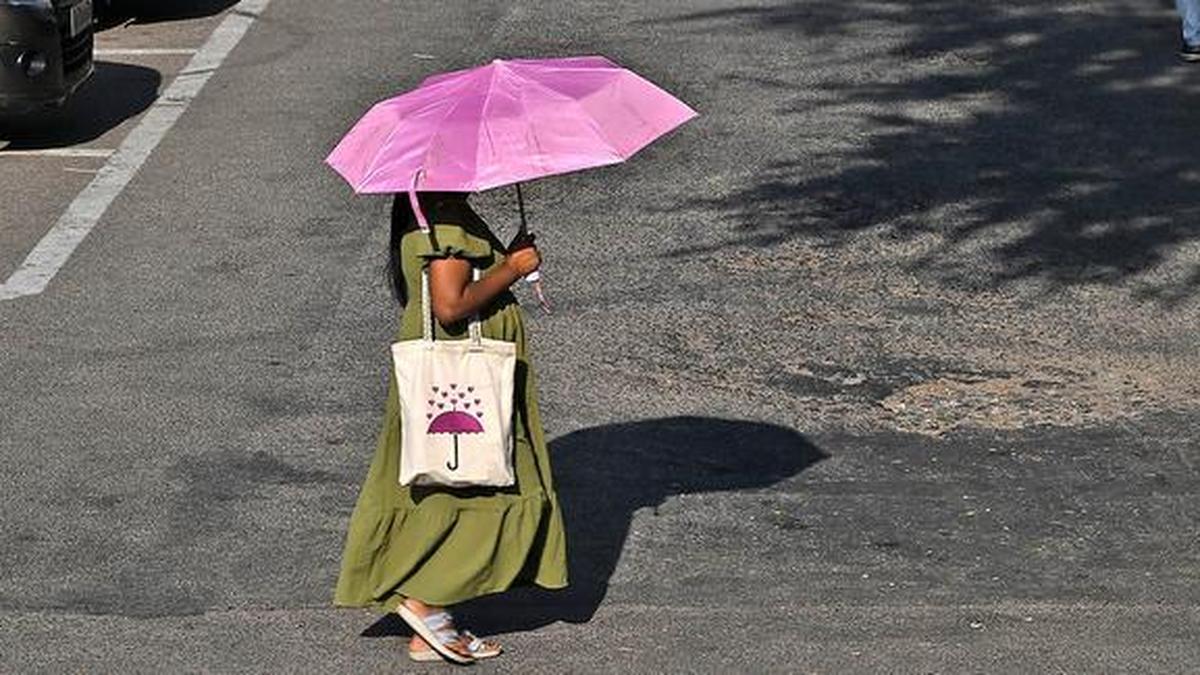
Palakkad touched 41.1 degrees Celsius on Wednesday. Punalur followed at 39.8. Vellanikara at 39.3. By the India Meteorological Department’s own yardstick, Kerala is now just one day away from an official heatwave declaration — a label this western coastal state has rarely needed. The departure from normal temperature in Palakkad stood at 4.7 degrees, well above the 4.5-degree threshold. If Thursday repeats these numbers, the state will enter an unfamiliar climate territory.
A meteorological department official confirmed that heat warnings remain in effect until Friday. The agency expects isolated summer showers between April 27 and 29, which may offer temporary relief. But those rains, likely localised and thundery, are unlikely to address the deeper water stress. Catchment areas determine storage recovery, and the official noted that above-normal pre-monsoon showers in May remain the real variable. For urban planners and public health officials, these numbers are not academic. Kerala’s cities — from Thiruvananthapuram to Kozhikode — were designed for heavy rain and high humidity, not prolonged extreme heat. Most homes lack cross-ventilation optimised for 40-degree days. Pavements, parking lots, and concrete surfaces trap radiation. Outdoor workers, street vendors, and children walking to school face heat stress that the urban form amplifies.
The economic impact tracks closely with temperature rise. Construction productivity drops. Power demand for fans and cooling surges, straining a grid already managing hydropower shortfalls. The state recorded its highest temperature last year on April 27 at 41.8 degrees in Palakkad. This year’s reading is nearly identical — suggesting a pattern, not an anomaly. What makes this moment significant is the official hesitation. Heatwave declarations trigger workplace advisories, school hour adjustments, and public health alerts. The threshold exists for a reason. But Kerala has historically been excluded from India’s core heatwave zones. That exclusion is eroding. Meanwhile, the meteorological department expects maximum temperatures to remain above normal even in May, though rainfall days may reduce the need for continuous warnings.
For citizens walking through Palakkad’s markets or waiting at bus stops in Punalur, the distinction between “heatwave” and “near-heatwave” means little. Their bodies already know.
Kerala Simmers At 41 1°C With Mercury Still Rising