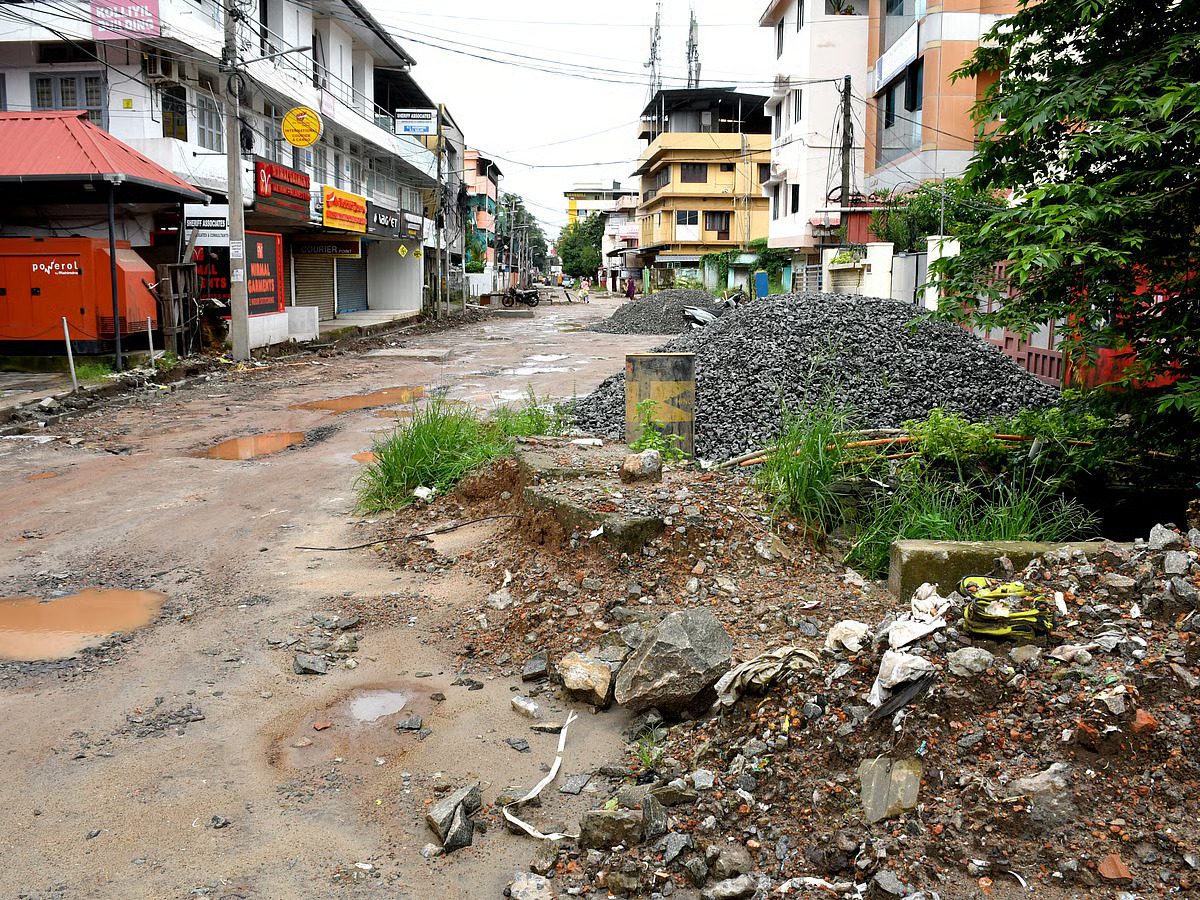
For pedestrians navigating Convent Junction in Kochi, the hazard is not just vehicular. A 100-metre stretch of canal between the junction and Mullassery Canal remains completely uncovered — even as slabs have been laid up to the junction. The open waterbody, flanked by commercial establishments, emits a persistent foul odour and forces walkers, including women and elderly residents, to navigate a route that mixes stench with safety risks. Now the State Human Rights Commission has directed the Kochi Corporation secretary to act urgently.
The Commission has ordered an executive engineer to inspect the site and propose a permanent resolution. A formal hearing has been scheduled for May 10 at the PWD Rest House in Pathadipalam, where the engineer will represent the Corporation secretary. The municipal body has three weeks to report back on action taken. Urban infrastructure experts note that open drains and uncovered canals in commercial zones represent a failure of basic street design and public health planning. The uncovered section sits directly in front of shops and businesses, meaning daily economic activity occurs next to stagnant or flowing waste. For small traders, the odour drives away customers. For the city, it signals how blue-green infrastructure remains an afterthought rather than a design priority.
The Commission took up the case on its own initiative based on a newspaper report — an unusual move that underscores the severity of public inconvenience. Human rights bodies in India have increasingly interpreted open, toxic waterbodies as violations of the right to a clean environment and dignified movement. This case aligns with that expanding legal interpretation. What makes the Convent Junction stretch noteworthy is its partial completion. Slabs already exist on either side. Only a 100-metre gap remains — a gap that has turned into a local health and mobility crisis. Municipal engineers have previously acknowledged that covering canals reduces vector breeding, improves air quality, and reclaims public space. Yet the work remains unfinished, caught between budget cycles and administrative inertia.
For Kochi, a city already battling flooding and sea-level rise, leaving canals half-covered is more than an aesthetic failure. It is a governance gap measured in metres, months, and mounting public frustration. The three-week deadline now places the onus on the Corporation to demonstrate whether incremental repair can outrun systemic neglect.
Kochi Corporation Given Three Weeks To Fix Canal Hazard