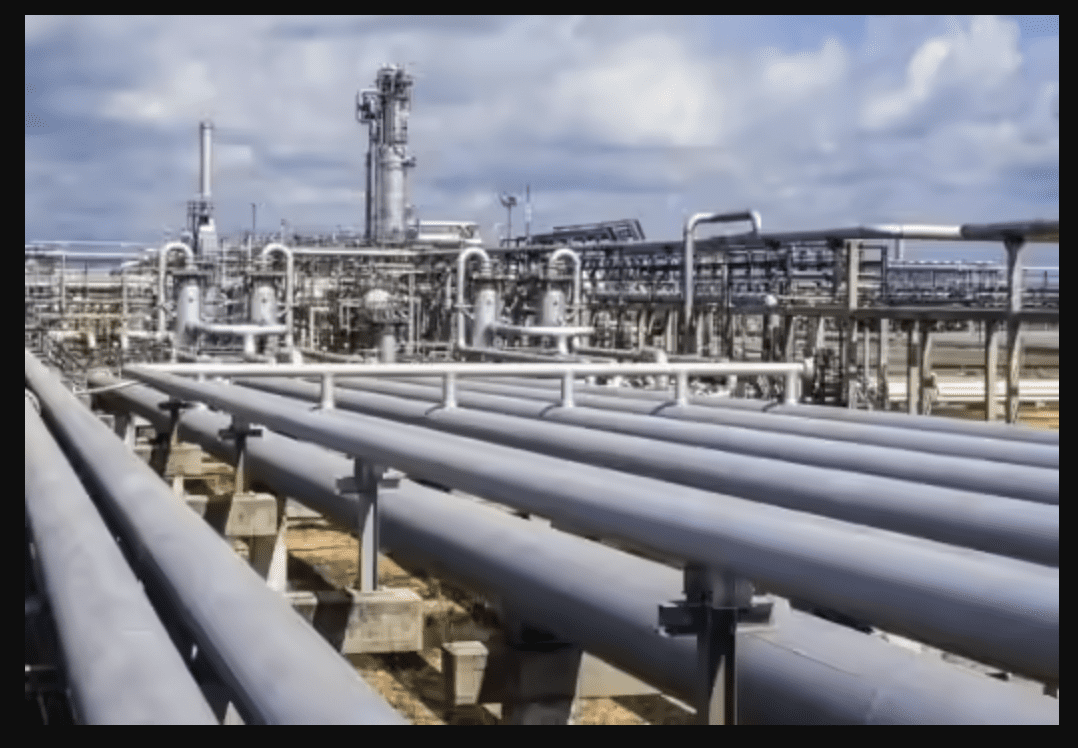
India will spend Rs 12,500 crore to lay 2,500 kilometres of new LPG pipelines across the country, aiming to pull tens of thousands of bulk cooking gas tankers off the highways by 2030. The Petroleum and Natural Gas Regulatory Board has identified nine pipeline projects connecting refineries, import terminals, and bottling plants — a logistics shift that carries profound implications for road safety, carbon emissions, and urban resilience.
Currently, a significant portion of LPG moves by road. Tankers are vulnerable to accidents, delays, fuel theft, and leakage. Past incidents involving LPG tanker collisions have caused catastrophic fires and loss of life, particularly on crowded highways passing through urban and semi-urban areas. The government’s stated target is to eliminate bulk LPG transportation by road entirely within this decade. From a climate perspective, the shift matters. Pipelines are more energy-efficient than tanker trucks per unit of fuel moved. Replacing road transport with underground pipelines reduces greenhouse gas emissions from heavy diesel-guzzling vehicles, cuts fuel consumption in logistics, and lowers the risk of spillage into soil and water. A senior official noted that the environmental gains align with India’s broader clean energy goals, even though LPG itself remains a fossil fuel.
For cities, the impact will be most visible in what disappears. Highways currently used by LPG tankers — often routed through urban peripheries due to bottling plant locations — will see fewer heavy vehicles, reducing particulate matter emissions and accident risks. Pipeline corridors, once laid, operate invisibly underground, freeing surface space for people, trees, and non-hazardous movement. But pipeline infrastructure carries its own complexities. Land acquisition for 2,500 kilometres of new routes will require negotiation with farmers and local communities. Construction can disrupt ecosystems if not carefully planned. And while pipelines are safer than tankers in normal operation, leaks can be catastrophic. Monitoring systems, automatic shut-off valves, and regular integrity tests will determine whether this network is a safety upgrade or a new set of risks.
Economically, the investment is expected to generate employment and boost regional development in areas connected by the new routes. Faster, uninterrupted supply should reduce LPG shortages during peak demand or weather disruptions. Lower logistics costs may eventually reflect in consumer pricing. The 2030 target is ambitious. Nine projects, 2,500 kilometres, Rs 12,500 crore. If executed effectively, India’s LPG supply chain will move from highways crowded with tankers to an invisible underground web. The challenge is ensuring that the transition is safe, equitable, and genuinely cleaner — not just a swap of one fossil fuel infrastructure for another.
India Approves Rs 12500 Crore LPG Pipeline Network