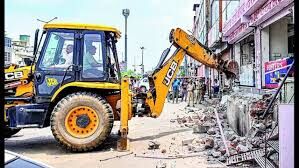
Jaipur Anti Encroachment Drive Reshapes Street Access
Jaipur has initiated a fresh round of anti-encroachment action across key arterial roads, aiming to reclaim public space and improve traffic movement in areas long affected by informal occupation and unregulated street activity. The Jaipur Municipal Corporation (JMC) recently conducted clearance drives along multiple high-traffic corridors, removing temporary structures, roadside extensions and unauthorised vendors that had narrowed carriageways and disrupted pedestrian access.
The exercise is part of an ongoing effort to decongest city roads and restore right-of-way for both vehicles and pedestrians. The Jaipur encroachment drive comes amid growing pressure on the city’s transport infrastructure. With rising vehicle ownership and expanding commercial activity, even minor obstructions can trigger significant bottlenecks, particularly in older parts of the city where road widths are limited. Urban planners note that reclaiming road space is often one of the quickest ways to improve mobility without large capital investments. However, the issue is more complex than physical clearance alone. Encroachments in Indian cities are often linked to livelihood patterns, with informal vendors and small businesses depending on street access for income. Removing such activity without providing alternatives can lead to displacement and recurring cycles of reoccupation.
Officials involved in the drive indicated that enforcement actions are being prioritised on stretches where congestion and safety risks are highest. In many cases, encroachments had reduced effective road width, forcing vehicles and pedestrians into shared, unsafe spaces. From a mobility perspective, the Jaipur encroachment drive is expected to improve traffic flow in the short term. Clearing obstructions can reduce travel time, ease pressure on intersections, and enhance emergency vehicle access. It also creates opportunities to redesign streets with better pedestrian pathways and organised vending zones. Yet, experts caution that such interventions must be embedded within a broader urban planning framework. Without designated spaces for street vendors, parking management systems and consistent enforcement, cleared areas often revert to previous conditions. This reflects a wider governance challenge—balancing regulation with inclusivity in dense urban environments. There is also a sustainability dimension to the initiative. Well-managed streets that prioritise pedestrian movement and reduce congestion can lower vehicle emissions and improve air quality. Conversely, unmanaged encroachments can increase stop-and-go traffic, contributing to higher fuel consumption and pollution.
The success of the drive will depend on follow-through measures. Continuous monitoring, community engagement and coordination with traffic authorities are essential to maintain cleared corridors. Urban planners suggest that integrating street vending policies, zoning regulations and mobility planning could offer more durable solutions. For residents, the immediate impact may be visible in smoother traffic and safer walking conditions. However, the longer-term outcome will hinge on whether the city can move beyond episodic enforcement towards systemic street management. As Jaipur continues to expand, the challenge of managing limited road space will intensify. The current drive highlights the need for cities to rethink how public space is allocated—ensuring that roads serve not only as transit corridors but also as inclusive, well-regulated urban environments.