Rajasthan Solar Capacity Surge Faces Grid Bottlenecks
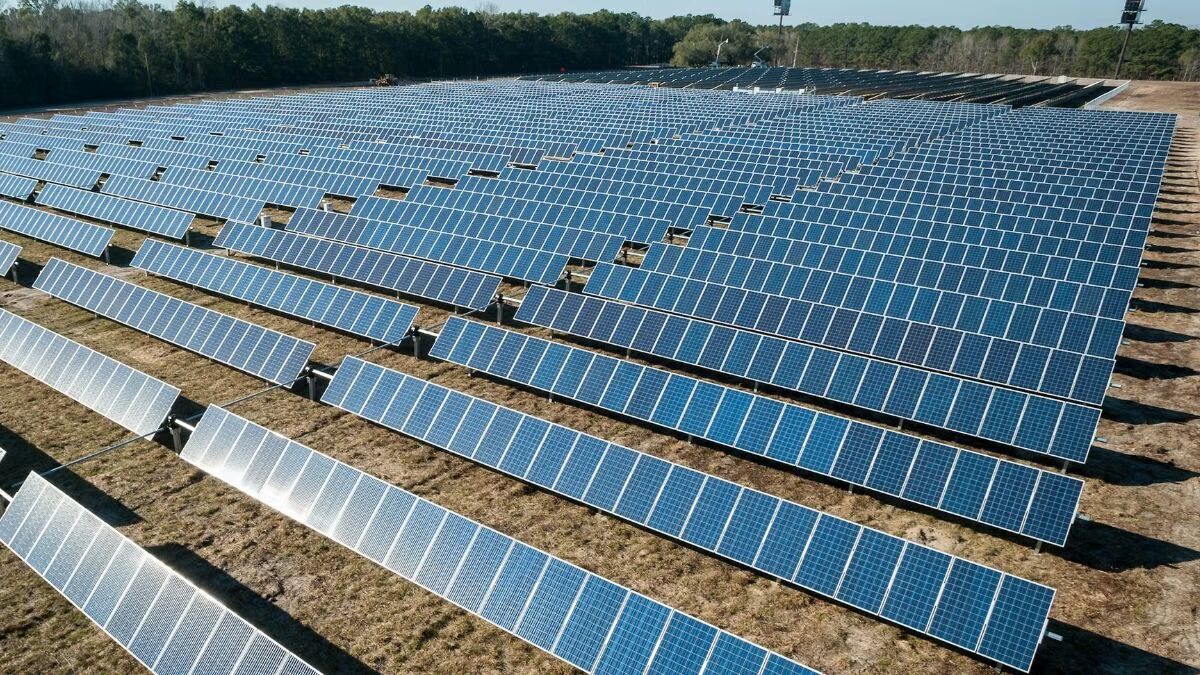
Rajasthan’s rapid rise as India’s leading solar power hub is exposing a critical gap in infrastructure, with a significant portion of clean energy generation going underutilised due to transmission and storage constraints. The imbalance underscores a growing challenge in aligning renewable energy expansion with supporting systems required to deliver power efficiently. The state now accounts for nearly 27% of India’s total solar capacity, contributing to a national installed base of over 150 GW. This positions Rajasthan at the centre of India’s clean energy transition, driven by high solar irradiance, vast land availability and policy support for large-scale solar parks.
However, the pace of capacity addition has outstripped the development of evacuation infrastructure—networks that carry electricity from generation sites to consumption centres. As a result, energy produced during peak sunlight hours is often curtailed or wasted, limiting both environmental and economic benefits. Industry data suggests the scale of the bottleneck is substantial. Around 60 GW of renewable energy projects in the state are currently awaiting transmission connectivity, reflecting a mismatch between generation capacity and grid readiness. This backlog is particularly concentrated in districts such as Jaisalmer, Bikaner and Barmer, where large solar installations have proliferated. For urban systems, the implications extend beyond energy production. Cities rely on stable and predictable power supply to support economic activity, infrastructure operations and climate adaptation measures. When renewable energy cannot be fully integrated into the grid, it not only affects energy reliability but also slows progress towards decarbonisation goals.
Urban planners and energy experts highlight that transmission infrastructure—substations, high-voltage lines and grid integration systems—is often less visible but equally critical as generation assets. Without timely investment in these networks, renewable energy projects risk becoming stranded assets, unable to deliver power despite being operational. There is also a financial dimension. Curtailment of solar energy reduces revenue for developers and can increase costs for distribution companies, potentially affecting tariffs and investor confidence. Over time, such inefficiencies could dampen momentum in India’s renewable energy sector, particularly as the country aims to scale up non-fossil capacity to 500 GW by 2030. The challenge is compounded by the geographical nature of solar generation. Rajasthan’s renewable energy is largely produced in remote, sparsely populated areas, while demand centres lie in urban regions across northern and western India. Bridging this gap requires coordinated interstate transmission planning, a process that often faces delays due to land acquisition, regulatory approvals and funding constraints. Experts argue that solutions must go beyond grid expansion. Energy storage systems, such as battery infrastructure, can help balance supply and demand by storing excess power generated during the day. Decentralised solar models—like rooftop installations closer to consumption points—can also reduce pressure on long-distance transmission networks.
The current situation highlights a broader lesson for India’s urban and infrastructure planning: scaling up clean energy requires simultaneous investment across the entire value chain, not just generation. As cities push towards low-carbon futures, the integration of renewable energy into urban systems will depend as much on invisible networks as on visible capacity. For Rajasthan, the next phase of growth will likely hinge on how quickly it can resolve these infrastructure gaps. Ensuring that every unit of clean energy generated is effectively utilised will be key—not only for meeting climate targets, but also for building resilient, efficient and future-ready urban ecosystems.