


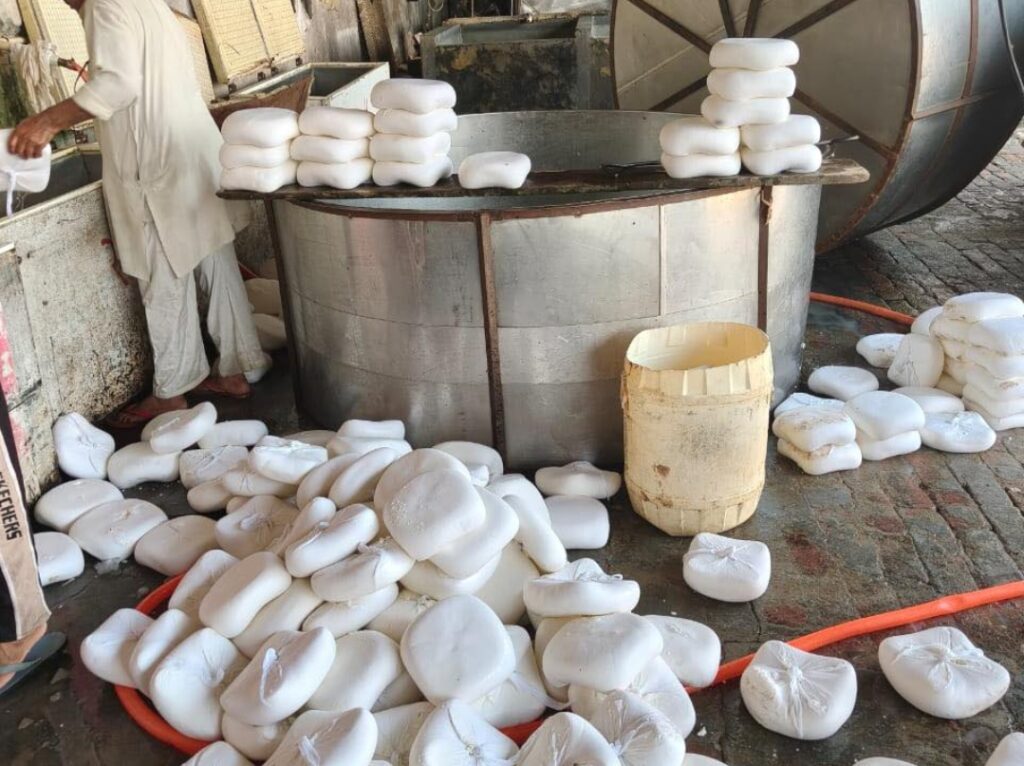
Municipal authorities in Ahmedabad have issued notices to multiple eateries after detecting the use of adulterated paneer, intensifying scrutiny over food safety standards in the city’s hospitality sector. The action follows inspections that revealed irregularities in dairy products being served to consumers, raising concerns about quality control in high-demand urban food markets. Officials involved in the drive indicated that samples collected from several establishments showed signs of substitution or contamination, prompting regulatory action.
The Ahmedabad fake paneer case highlights vulnerabilities in supply chains, where rising demand and cost pressures can lead to compromised product quality. Food safety experts note that adulterated dairy products pose significant health risks, particularly when synthetic or low-grade substitutes are used. Consumption of such items over time can affect digestion and overall health, making strict monitoring essential in densely populated cities where eating out is increasingly common. The Ahmedabad fake paneer case underscores the need for continuous inspection and enforcement. The issue also reflects the complexity of urban food systems. Restaurants and vendors often rely on multiple suppliers, making traceability a challenge. In Ahmedabad’s expanding food economy, ensuring that raw materials meet safety standards requires coordination across production, distribution, and retail levels. From a governance perspective, the crackdown signals a shift towards more proactive regulation. Authorities are increasingly adopting targeted inspection drives to identify non-compliance and deter malpractice. However, experts caution that enforcement must be complemented by preventive measures, including supplier audits and awareness among food business operators. The Ahmedabad fake paneer case also has economic implications. Incidents of adulteration can erode consumer trust and impact the reputation of local food markets. Businesses adhering to standards may face indirect consequences if overall confidence declines, affecting footfall and revenue. Urban planners highlight that food safety is an integral part of city health systems. As urban populations grow and dining habits evolve, maintaining quality in food supply chains becomes critical to ensuring public well-being and sustainable urban living. Environmental considerations are also relevant. Unregulated production of adulterated products may not follow proper waste disposal or hygiene standards, contributing to local pollution and sanitation challenges.
Experts recommend strengthening laboratory testing capacity, increasing the frequency of inspections, and leveraging digital tools for better traceability. Transparent reporting and consumer awareness can further enhance accountability within the system. The Ahmedabad fake paneer case serves as a reminder that urban growth must be supported by robust regulatory frameworks. Ensuring safe and reliable food systems will remain central to building trust and resilience in the city’s evolving urban landscape.
ALSO READ – Ahmedabad DNA Test Rise Reflects Urban Trust Challenges
Ahmedabad Fake Paneer Crackdown Raises Food Safety Concerns
