


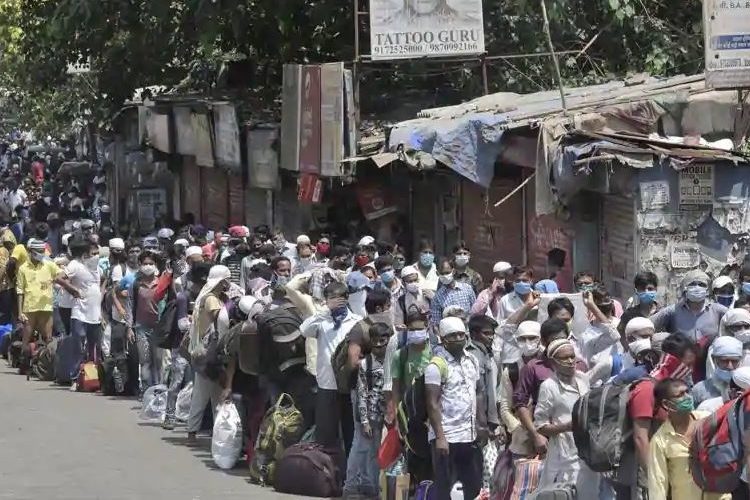
Authorities are intensifying crowd management measures at Udhna Railway Station as a sustained surge in passenger numbers strains infrastructure and operational capacity. The situation has prompted closer coordination between railway officials and local agencies, highlighting the growing challenge of managing high-density transit nodes in rapidly expanding urban regions. Officials indicate that additional personnel, barricading systems, and regulated entry points have been deployed to manage passenger flow.
The Ahmedabad Udhna station crowd situation reflects a broader pattern of fluctuating commuter volumes linked to seasonal migration and industrial cycles in the region. Urban transport experts note that railway stations like Udhna function as critical mobility hubs, connecting industrial centres with rural and semi-urban areas. However, sudden spikes in demand can overwhelm infrastructure designed for more stable passenger flows. The Ahmedabad Udhna station crowd issue underscores the need for flexible capacity planning in transport systems. The surge has also raised safety concerns, particularly in confined spaces such as platforms, ticket counters, and entry gates. Experts emphasise that effective crowd management is essential not only for operational efficiency but also for preventing accidents and ensuring commuter well-being. From a planning perspective, the situation highlights gaps in anticipating and managing periodic demand surges. While railway networks are designed for high throughput, supporting infrastructure such as waiting areas, ticketing systems, and access roads often lags behind. The Ahmedabad Udhna station crowd challenge illustrates how these limitations can affect overall system performance. Economic implications are also evident. Delays and congestion at transit points can disrupt travel plans, affect workforce mobility, and reduce productivity. For cities dependent on migrant labour and industrial activity, efficient transport systems are essential to maintaining economic stability. Environmental considerations come into play as well. Congestion around railway stations can lead to increased vehicular emissions, particularly when traffic builds up in surrounding areas due to passenger drop-offs and pick-ups. Improving crowd management and transit efficiency can help reduce these indirect environmental impacts. Experts suggest that long-term solutions should include infrastructure expansion, digital ticketing systems to reduce queues, and real-time passenger information to distribute demand more evenly. Integrating railway planning with broader urban mobility strategies, including bus and metro connectivity, can further ease pressure on key nodes.
There is also a growing emphasis on data-driven management. Using predictive analytics to anticipate peak periods and adjust operations accordingly could help prevent overcrowding in the future. As urban centres in Gujarat continue to grow, the Ahmedabad Udhna station crowd situation highlights the importance of building resilient and adaptable transport systems. Managing peak demand effectively will be critical to ensuring safe, efficient, and inclusive mobility for a diverse and mobile population.
ALSO READ – Ahmedabad Traffic Campaign Uses Cinema For Road Awareness
Ahmedabad Udhna Station Crowd Surge Tests Infrastructure
