


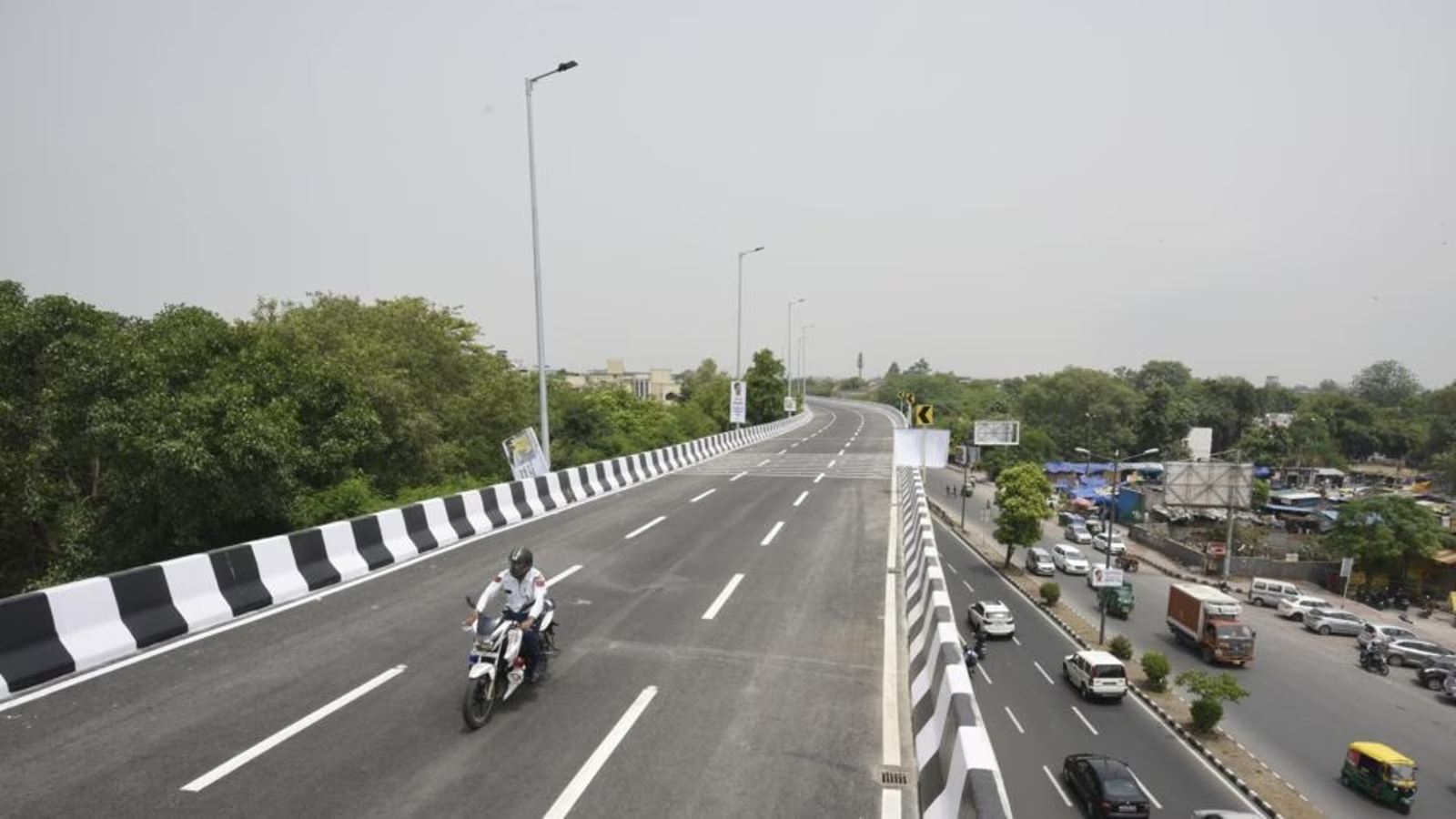
A partially unusable flyover in Nagpur’s Kawarapeth locality continues to remain in limbo nearly two years after structural concerns first surfaced, exposing gaps in infrastructure execution and urban oversight. The stalled project has disrupted traffic flow while also raising safety concerns, as the unused structure increasingly becomes a neglected urban space. Officials aware of the situation indicate that technical defects identified after construction have prevented the flyover from becoming fully operational.
Despite the passage of time, corrective measures have been slow, leaving a critical mobility asset underutilised. The Nagpur Kawarapeth flyover issue reflects a broader challenge where infrastructure completion does not always translate into functional delivery. For commuters, the consequences are immediate. The flyover, originally intended to ease congestion, has instead pushed traffic onto surrounding roads, increasing travel time and pressure on existing networks. Urban planners note that such inefficiencies can ripple across local transport systems, particularly in areas experiencing rapid population growth. The Nagpur Kawarapeth flyover issue also raises concerns around public safety and urban design. Unused or poorly maintained infrastructure can create unmonitored zones, which may become vulnerable to unsafe activities. Experts highlight that infrastructure planning must incorporate not just engineering standards but also long-term usability, surveillance, and inclusive safety considerations. From an economic standpoint, prolonged delays reduce the return on public investment. Flyovers are capital-intensive projects, and when they remain underutilised, the cost is effectively transferred to citizens through inefficiencies and lost productivity. Analysts stress the importance of accountability mechanisms to ensure timely rectification and operational readiness. Environmental implications are equally significant. Traffic diversions caused by non-functional infrastructure can lead to increased fuel consumption and emissions. In growing cities like Nagpur, such inefficiencies counter efforts to improve air quality and promote sustainable mobility. Experts argue that the Nagpur Kawarapeth flyover issue highlights the need for lifecycle-based infrastructure planning where design, execution, maintenance, and monitoring are treated as a continuous process rather than isolated phases. Regular audits, transparent reporting, and inter-agency coordination are seen as critical to preventing such delays. In the interim, urban specialists suggest that authorities focus on improving lighting, security, and temporary usage strategies to minimise risks associated with the idle structure. Ensuring that infrastructure remains safe and functional even during delays is essential for maintaining public trust.
As Nagpur continues its urban expansion, resolving the Kawarapeth flyover situation will be crucial in demonstrating the city’s ability to manage complex infrastructure projects effectively. The episode serves as a reminder that sustainable urban development depends not only on building assets, but on ensuring they deliver value, safety, and reliability to the people they are meant to serve.
ALSO READ – Nagpur Parking Chaos Driving Rising Urban Pollution Levels
Nagpur Kawarapeth Flyover Issues Persist After Months
