


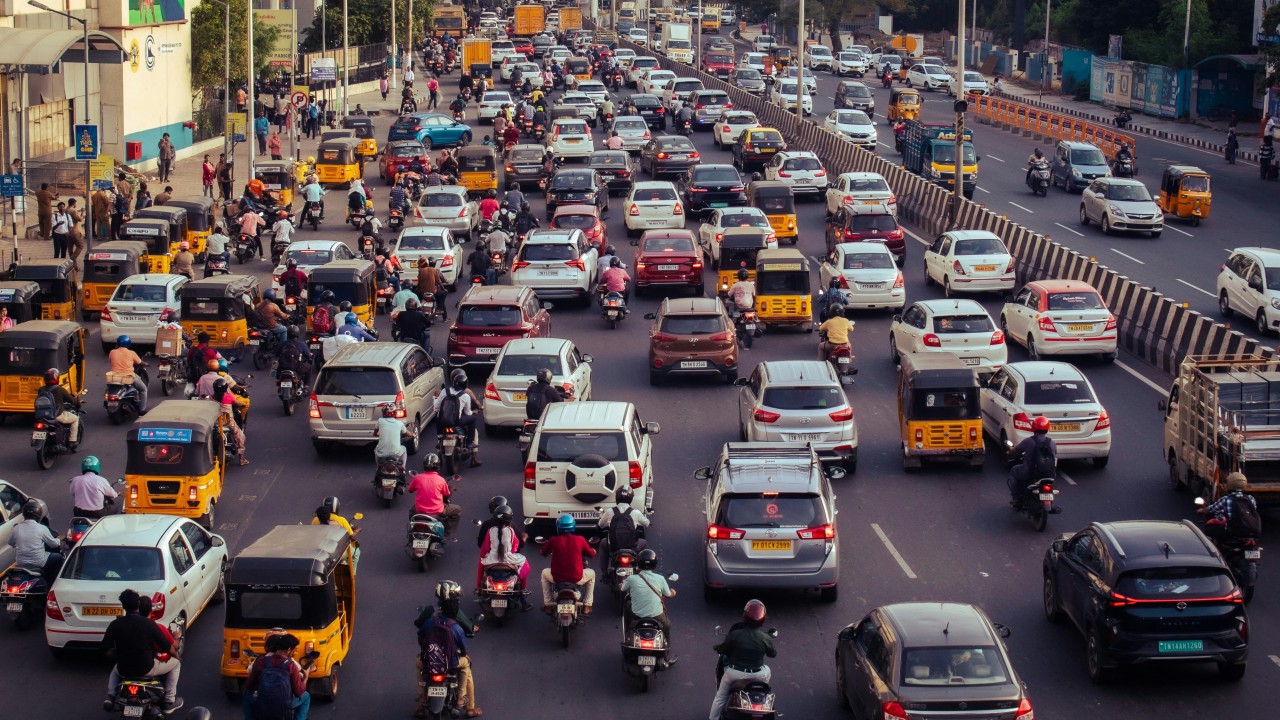
Unregulated parking and prolonged vehicle idling are emerging as key contributors to rising pollution levels in Nagpur, according to a recent urban assessment. The findings point to a less visible but significant source of emissions, where traffic mismanagement and roadside congestion are undermining air quality in a city already facing the pressures of rapid growth. Data from the report indicates that vehicles left running in congested zones and poorly managed parking areas are adding to particulate matter and carbon emissions.
The Nagpur pollution issue linked to idling is particularly acute in commercial hubs and dense residential pockets, where limited parking infrastructure forces vehicles to circulate or remain stationary with engines on. Urban mobility experts note that while attention is often focused on industrial and vehicular emissions during movement, idling vehicles represent an overlooked but avoidable source of pollution. In cities like Nagpur, where traffic enforcement is inconsistent, the cumulative impact of such practices can be substantial over time. The Nagpur pollution issue is further compounded by informal parking patterns. Encroachments on road space reduce carriageway width, slowing traffic and increasing stop-and-go movement conditions that lead to higher fuel consumption and emissions. Planners argue that the absence of structured parking systems and effective regulation is directly influencing both mobility efficiency and environmental outcomes. From a public health perspective, these trends carry serious implications. Increased exposure to vehicular emissions, particularly in high-density areas, can contribute to respiratory illnesses and long-term health risks. Experts highlight that reducing idling and improving parking discipline could deliver immediate air quality benefits without requiring large-scale infrastructure investments. Economic costs are also significant. Inefficient traffic flow leads to fuel wastage and time loss, affecting productivity across the city. Businesses operating in congested zones may face reduced accessibility, while households bear the financial burden of higher fuel expenses. Urban planners emphasise that addressing the Nagpur pollution issue will require a multi-pronged approach. This includes stricter enforcement of no-idling norms, development of organised parking facilities, and the use of technology-driven solutions such as smart parking systems. Encouraging public transport and non-motorised mobility can further reduce dependence on private vehicles. Environmental specialists also point to the need for behavioural change. Public awareness campaigns can play a role in discouraging unnecessary idling and promoting more sustainable commuting practices. Small shifts in behaviour, when adopted at scale, can significantly reduce emissions.
As Nagpur continues to expand, the challenge lies in managing mobility in a way that balances convenience with environmental responsibility. Tackling the Nagpur pollution issue linked to parking and idling offers a relatively immediate opportunity to improve air quality while laying the groundwork for more sustainable urban transport systems. The findings reinforce a broader lesson for growing cities: effective traffic management is not just about movement, but also about minimising the environmental footprint of how that movement is organised.
ALSO READ – Nagpur Beltarodi Road Damage Disrupts Daily Commute
Nagpur Parking Chaos Driving Rising Urban Pollution Levels
