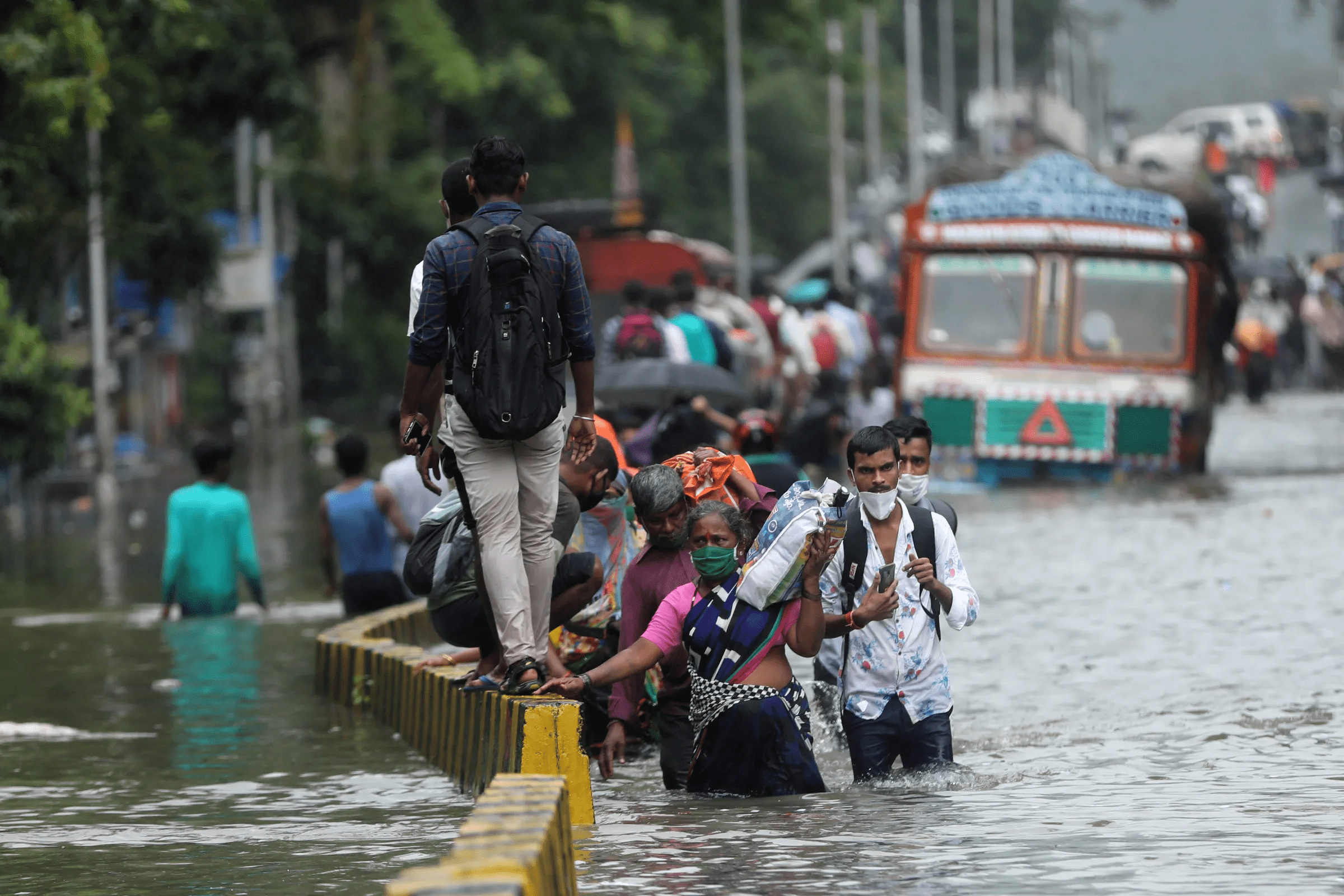
Mumbai Monsoon Preparedness Plan Uses AI And Pumps
With the onset of the rainy season approaching, Mumbai’s civic administration has intensified its Mumbai monsoon preparedness plan, combining traditional flood control measures with digital monitoring tools to address persistent urban flooding risks. The strategy reflects a growing shift towards data-driven governance, even as the city continues to grapple with ageing drainage systems and rapid urban expansion. At the core of this year’s Mumbai monsoon preparedness plan is the deployment of an artificial intelligence-based monitoring system designed to oversee desilting operations. Desilting—clearing accumulated debris from drains and water channels—is critical to maintaining water flow during heavy rainfall.
Officials indicate that the AI system reviews video evidence submitted by contractors, identifying inconsistencies such as unusually fast loading times or irregular material patterns that may suggest inflated reporting. The move comes amid heightened scrutiny of past desilting practices, pushing authorities to prioritise transparency and accountability in public works. Industry observers note that such technological interventions could reduce leakages in municipal spending while ensuring that flood mitigation efforts deliver measurable outcomes. Alongside digital oversight, the city is scaling up physical infrastructure. This year’s desilting targets have been recalibrated to prioritise quality over volume, focusing on key choke points across a drainage network that spans nearly 3,800 kilometres. Particular attention is being directed towards densely built areas where covered drains and culverts restrict mechanised cleaning, requiring labour-intensive interventions. Flood-prone neighbourhoods such as industrial and low-lying zones are receiving targeted attention, especially in areas adjacent to the Mithi river and other critical water channels. Urban planners highlight that such micro-level interventions are essential in a city where even moderate rainfall can disrupt daily life due to localised drainage failures.
To further strengthen response capacity, the administration plans to deploy a record number of dewatering systems. More than 500 stationary pumps are being installed across vulnerable locations, supplemented by mobile pumping units mounted on vehicles. These mobile units are designed to navigate narrow streets and construction-heavy zones, reflecting the changing urban landscape where infrastructure works often exacerbate waterlogging. Experts suggest that the rising dependence on pumps underscores a deeper structural challenge. While these systems provide immediate relief, long-term resilience will depend on redesigning drainage networks, restoring natural water bodies, and integrating climate-sensitive urban planning. With a significant share of the population residing in flood-prone areas, the stakes extend beyond infrastructure to public health and economic stability. The Mumbai monsoon preparedness plan also highlights the growing intersection of climate adaptation and urban governance. As rainfall patterns become more erratic, cities are being compelled to move beyond reactive measures towards predictive and preventive systems.
In the months ahead, the effectiveness of these combined efforts will be closely watched. For Mumbai, the challenge lies not only in managing seasonal floods but in building a resilient urban framework that can withstand the pressures of climate change and continued development.