


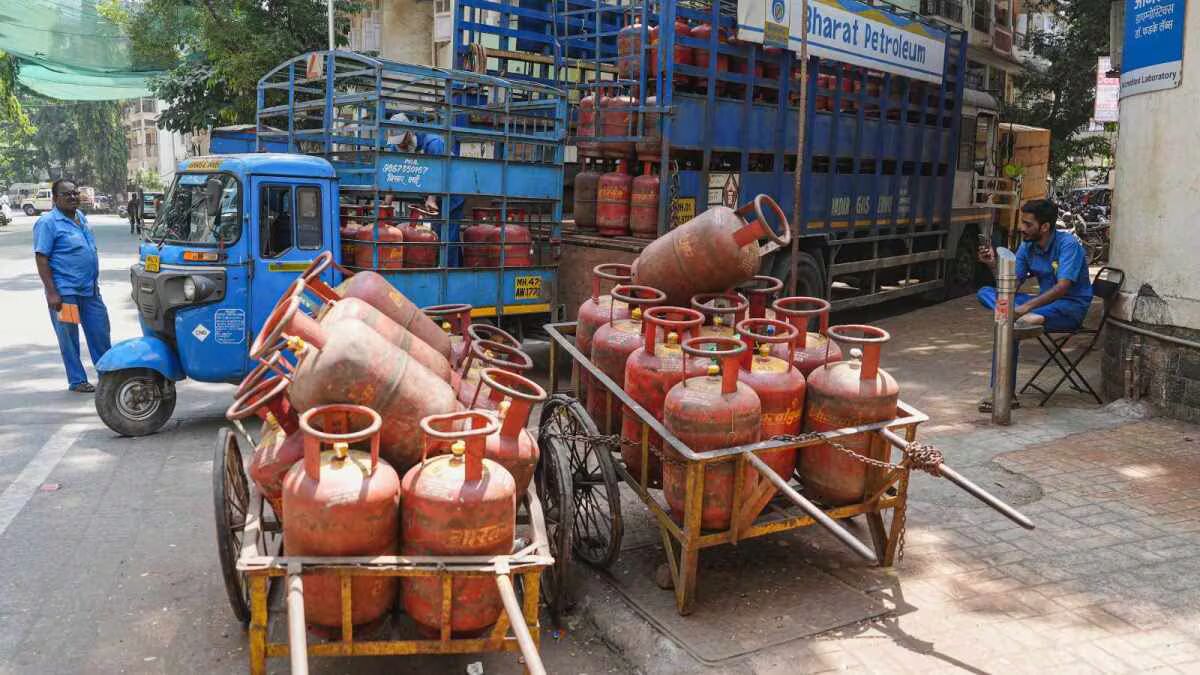
A disruption in cooking gas distribution in Nagpur has left nearly 14,000 households without convenient access to LPG refills, forcing residents to rely on distant service points and exposing vulnerabilities in urban service delivery systems. The issue has raised concerns about how essential utilities are managed in expanding cities, where access gaps can quickly translate into daily hardship. The ongoing Nagpur LPG supply crisis stems from the suspension of a local distribution agency, which previously served a large cluster of consumers.
With no immediate replacement within the vicinity, affected households are now required to travel distances of up to 10–12 kilometres to access alternative agencies. For many, particularly elderly residents and those without private transport, this has created significant logistical and financial strain. Urban infrastructure experts highlight that LPG distribution is a critical yet often overlooked component of city planning. While attention is frequently directed towards large-scale infrastructure such as roads and metro systems, essential services like cooking fuel form the backbone of everyday urban life. The Nagpur LPG supply crisis demonstrates how disruptions in these systems can disproportionately affect vulnerable populations. The impact extends beyond households. Small businesses, including local food vendors and eateries, rely heavily on timely gas supply to operate. Any delay or inconvenience can reduce productivity and income, especially in informal sectors where margins are already thin. Analysts note that such disruptions can have a cascading effect on neighbourhood economies. From a planning perspective, the situation reflects a lack of redundancy in service networks. Ideally, urban utility systems should be designed with backup capacity, ensuring that if one service node becomes non-functional, others can absorb the demand without significant disruption. In this case, the sudden shift of thousands of consumers to distant agencies has strained existing distribution points. There are also environmental implications. Increased travel to access LPG refills contributes to higher fuel consumption and emissions, particularly in areas where public transport connectivity is limited. Experts argue that decentralised distribution models and last-mile delivery systems could help mitigate such impacts while improving accessibility. Equity remains a central concern. Low-income households, which may not have the means to travel long distances or store additional cylinders, are more likely to face acute challenges during such disruptions. Urban policy specialists emphasise the need for inclusive planning frameworks that ensure equitable access to essential services across all neighbourhoods. Authorities are reportedly working to reassign consumers and streamline distribution, but the transition has been uneven. Experts suggest that clearer communication, digital tracking of service allocation, and temporary support measures could help ease the burden on affected residents.
The Nagpur LPG supply crisis underscores a broader lesson for urban governance: resilience is not just about large infrastructure projects but also about ensuring continuity in everyday services. As cities continue to expand, building flexible, decentralised, and citizen-focused service systems will be essential to maintaining both liveability and economic stability.
ALSO READ – Nagpur Mission 100 Days Aims To Reclaim Public Spaces
Nagpur LPG Supply Crisis Raises Urban Access Concerns
