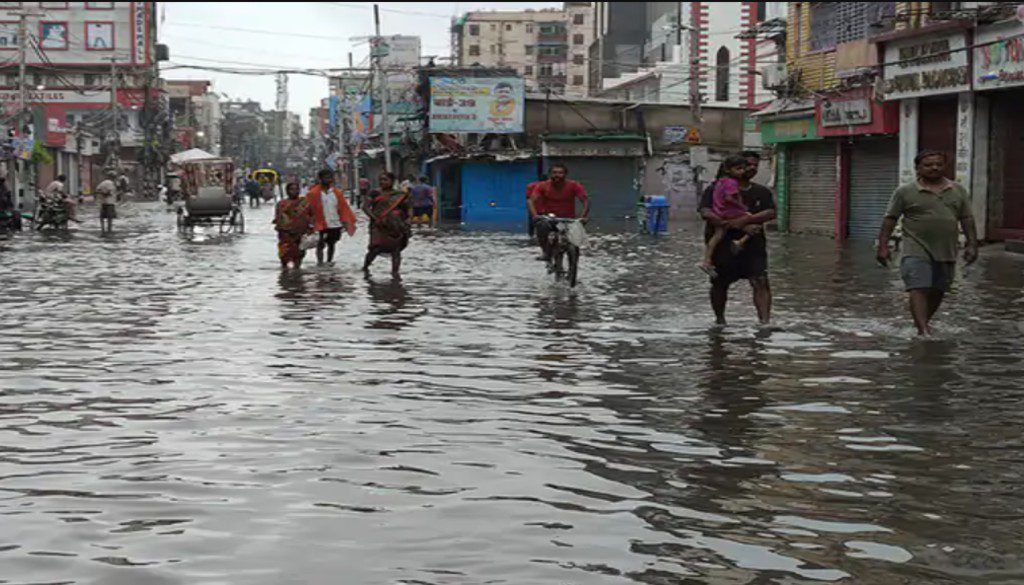
Patna’s administration has imposed strict, time-bound deadlines on civic agencies to complete drainage and sewerage works ahead of the monsoon, signalling a shift towards accountability-driven urban management in a city long affected by seasonal flooding. The directive aims to ensure that critical infrastructure is operational before heavy rains, reducing disruption to mobility, livelihoods, and public health.
Authorities have prioritised desilting of drains, repair of damaged sewer networks, and removal of encroachments across identified waterlogging hotspots. Monitoring mechanisms have been strengthened, with dedicated teams tasked to track progress and enforce coordination among departments responsible for roads, drainage, and utilities. The emphasis on deadlines reflects recurring challenges faced by Patna during previous monsoons, when delayed execution of pre-season works contributed to widespread water accumulation. Low-lying neighbourhoods, congested intersections, and ageing drainage infrastructure have historically struggled to handle peak rainfall, exposing gaps in both capacity and planning. Urban governance experts note that the move towards strict timelines is not merely administrative—it is structural. In cities like Patna, where infrastructure systems are interdependent, delays in one sector often cascade into broader service disruptions. For instance, incomplete road works or blocked drains can directly affect stormwater flow, leading to prolonged flooding even after rainfall subsides.
The current push also includes identification of critical flood-prone zones through field inspections, allowing for targeted interventions rather than city-wide, uniform measures. Officials have been directed to ensure that removed silt and debris are properly disposed of, preventing re-entry into drainage systems—a common issue that reduces carrying capacity during heavy rains. However, the reliance on pre-monsoon drives raises larger questions about long-term resilience. While desilting and repairs are essential, they remain short-term solutions unless supported by systemic upgrades such as modern stormwater networks, increased pumping capacity, and integration of natural drainage channels. Rapid urbanisation has further complicated the issue, with paved surfaces and encroachments reducing natural water absorption. The directive also introduces a governance shift through accountability. Officials have been warned of consequences for delays or negligence, indicating a move towards performance-linked administration in urban infrastructure delivery. This approach could improve execution efficiency, but experts caution that sustained outcomes will depend on institutional capacity and not just enforcement.
From a sustainability perspective, the focus on drainage management is central to climate resilience. With changing rainfall patterns and more intense weather events, Indian cities are increasingly vulnerable to flash flooding. Integrating grey infrastructure with nature-based solutions—such as urban wetlands and permeable surfaces—will be critical in reducing long-term risk. As Patna enters another monsoon cycle, the success of these deadlines will hinge on timely execution and inter-agency coordination. More importantly, the city’s ability to transition from reactive flood management to preventive, system-wide planning will determine whether such seasonal disruptions can be sustainably mitigated in the years ahead.