Lucknow Informal Settlements Face Rising Fire Risks
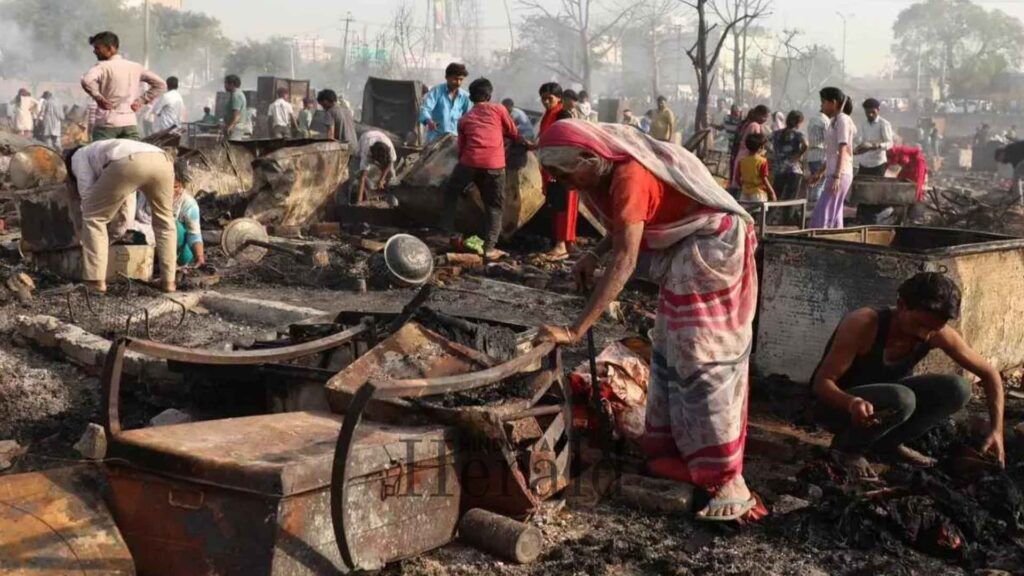
A fire in an informal settlement in Lucknow has once again exposed the fragile living conditions in rapidly expanding urban pockets, where limited access to basic services and unplanned housing increase vulnerability to disasters. The incident, which destroyed multiple makeshift homes, has intensified calls for immediate relief as well as long-term interventions in urban safety and housing policy.
Emergency services managed to contain the blaze, but not before it caused widespread damage to densely packed structures. The incident has drawn attention to the inherent risks in informal settlements, where construction materials are often highly flammable and access routes for fire response remain constrained. Leaders and local representatives have urged authorities to prioritise rehabilitation efforts for affected residents while addressing systemic gaps that contribute to such incidents. The Lucknow slum fire incident highlights a recurring urban challenge—how to manage the growth of informal settlements within city limits. As migration and population pressures increase, many low-income households continue to settle in areas lacking formal planning, leaving them exposed to hazards such as fires, flooding, and health risks. These settlements often fall outside the reach of regulated infrastructure, including water supply, drainage, and emergency services. Urban development experts argue that such incidents underline the need for integrating informal housing into city planning frameworks rather than treating them as temporary or peripheral issues. Providing basic infrastructure—such as accessible water points, safer electrical connections, and fire preparedness systems—can significantly reduce risk even before large-scale housing solutions are implemented.
The Lucknow slum fire incident also reflects gaps in disaster preparedness at the neighbourhood level. Narrow lanes, overcrowding, and the absence of fire safety infrastructure limit the effectiveness of emergency response, often allowing fires to spread rapidly. Preventive strategies, including community awareness programmes and decentralised safety systems, are increasingly being seen as essential components of urban resilience. Beyond immediate damage, the social impact of such incidents is considerable. Displacement disrupts livelihoods, education, and access to essential services, disproportionately affecting vulnerable populations. Experts emphasise that rehabilitation measures must extend beyond temporary relief to include long-term housing security and access to public services. From a governance perspective, the incident raises questions about coordination between urban development authorities, housing agencies, and disaster management bodies. Ensuring accountability and timely response across these institutions remains a critical factor in reducing future risks.
As Lucknow continues to expand, balancing growth with inclusivity remains a central challenge. The incident underscores the need for policies that prioritise safe, affordable housing and integrate vulnerable communities into the city’s infrastructure network. Moving forward, the focus will need to shift towards preventive planning—strengthening housing standards, improving service access, and building community-level resilience—to ensure that urban growth does not come at the cost of safety for its most at-risk residents.