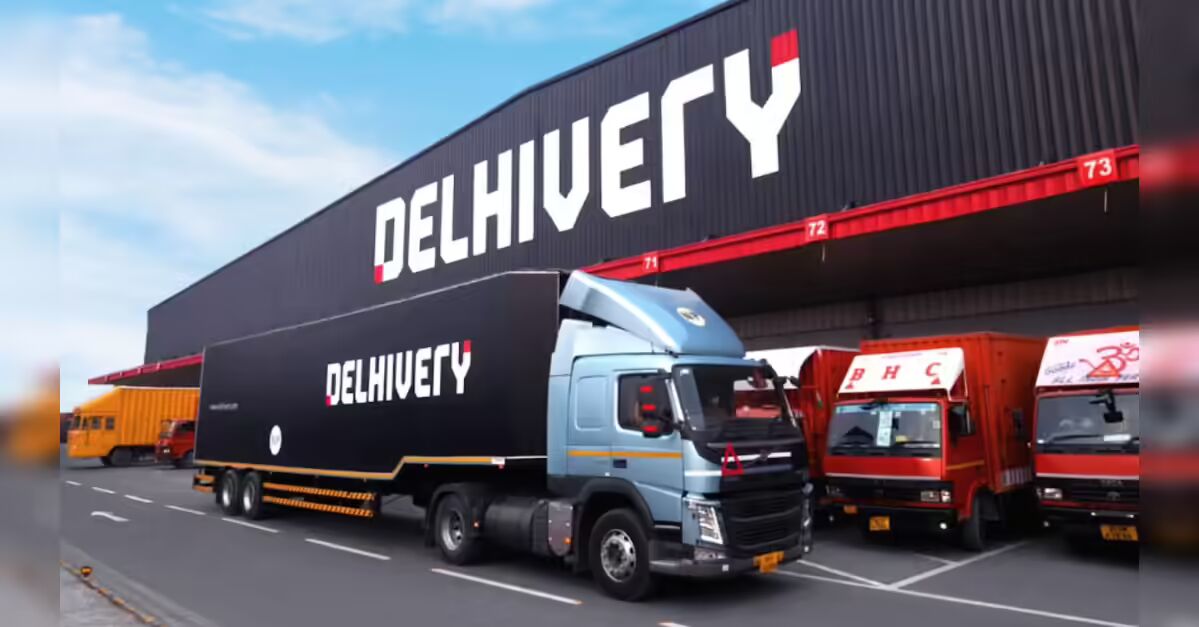
Lucknow is being positioned as a major supply and logistics hub in northern India, with policymakers highlighting the city’s expanding infrastructure network as a key driver of this transition. The shift reflects a broader effort to integrate industrial growth with transport connectivity, reshaping the region’s economic geography.
Speaking at a recent public event, Defence Minister Rajnath Singh emphasised that ongoing infrastructure projects—particularly expressways and ring roads—are expected to significantly enhance the city’s distribution capacity. Improved connectivity, including links to multiple highways and regional corridors, is projected to enable faster movement of goods across a wide geographic radius. The emerging Lucknow supply hub development is closely tied to the state’s investment in transport infrastructure. Expressways, multi-lane roads, and logistics corridors are gradually reducing travel time between production centres and consumption markets, making the city a viable node for supply chain operations. Industry observers note that such connectivity improvements are essential for attracting warehousing, distribution, and manufacturing activities. Recent developments in defence manufacturing are further strengthening this positioning. The establishment of production facilities—such as missile manufacturing units—signals the integration of industrial output with logistics capabilities, creating a more comprehensive supply ecosystem. This convergence of production and distribution is increasingly seen as a defining feature of emerging economic hubs.
Urban development experts suggest that the Lucknow supply hub development could have significant implications for employment and regional growth. Logistics hubs typically generate demand for warehousing, transport services, and ancillary industries, creating both direct and indirect job opportunities. For a city expanding beyond its traditional administrative role, this marks a shift towards a more diversified economic base. However, the transformation also raises important planning considerations. Rapid growth in logistics and industrial activity can place pressure on urban infrastructure, including road capacity, housing, and public services. Without coordinated planning, increased freight movement could contribute to congestion and environmental stress, particularly in dense urban zones. Sustainability is another critical dimension. As supply chains expand, cities must balance efficiency with environmental impact. Experts advocate for integrating multimodal transport systems, including rail and inland waterways, to reduce reliance on road-based freight and lower emissions. The development also aligns with a broader national trend of decentralising economic activity. By strengthening secondary cities like Lucknow, policymakers aim to reduce the burden on established metropolitan hubs while creating new growth centres across regions.
From a governance perspective, the success of this transition will depend on execution—ensuring that infrastructure projects are completed on time, regulatory processes remain streamlined, and urban systems are upgraded in parallel with economic expansion. As Lucknow moves towards becoming a logistics and supply hub, the focus will increasingly shift from infrastructure creation to system efficiency. The long-term impact will be measured by how effectively the city can integrate growth with sustainability, ensuring that economic gains translate into improved urban liveability and resilient infrastructure systems.