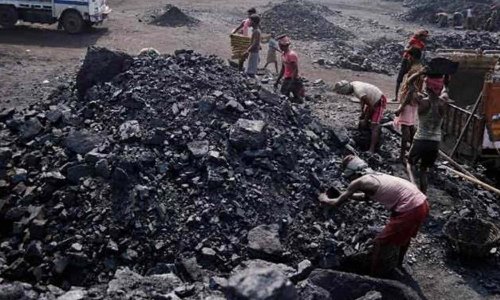
India is witnessing a short-term resurgence in coal use for cooking and small-scale consumption, as supply disruptions in liquefied petroleum gas (LPG) force households and businesses to turn to alternative fuels. The shift, triggered by geopolitical tensions affecting fuel imports, is highlighting the continued role of coal in bridging energy gaps during crises.
With LPG availability constrained due to disruptions in global supply routes, authorities have allowed states to draw on coal stocks for decentralised usage. The move is aimed at supporting commercial establishments such as eateries and small industries that depend heavily on continuous fuel supply to operate.Coal, traditionally associated with power generation and heavy industry, is now being repositioned as an emergency fallback fuel. In several regions, local administrations have facilitated access to coal for bulk users, particularly where LPG shortages have affected daily operations. Industry observers say this reflects the flexibility of India’s domestic coal ecosystem, which can be redirected across sectors during supply shocks.The development has immediate implications for urban economies. Small restaurants, food vendors, and micro-enterprises—key components of city-level employment—have been among the hardest hit by LPG shortages. The availability of coal has enabled some of these businesses to maintain operations, albeit with adjustments in equipment and cooking processes.However, the shift also raises concerns about environmental and public health impacts. Coal combustion at small scales, often without emission controls, can significantly increase local air pollution levels. Urban planners note that such temporary reversions to solid fuels may exacerbate air quality challenges, particularly in densely populated areas already struggling with pollution.
From an infrastructure perspective, the episode underscores the importance of diversified energy systems. Cities with access to multiple fuel options—such as piped gas, electricity, and biomass—have shown greater resilience, while those reliant on a single fuel source have faced sharper disruptions.The coal fallback also reflects a deeper structural reality: despite ongoing energy transition efforts, fossil fuels remain integral to India’s energy security framework. While coal is gradually being phased into cleaner and more efficient uses in power and industry, its availability and affordability continue to make it a critical buffer during crises.Experts caution that such measures should remain strictly temporary. Prolonged reliance on coal for cooking could undermine progress in clean energy adoption, particularly in urban areas where policies have focused on reducing indoor pollution and promoting cleaner fuels.
Looking ahead, the current disruption is likely to accelerate investments in alternative cooking energy systems, including electric and piped gas solutions. Strengthening these networks will be essential to reducing vulnerability to global supply shocks.For now, the return of coal to everyday energy use serves as a reminder that India’s path to a cleaner urban future must also account for resilience—ensuring that cities can withstand disruptions without reversing gains in sustainability and public health.