


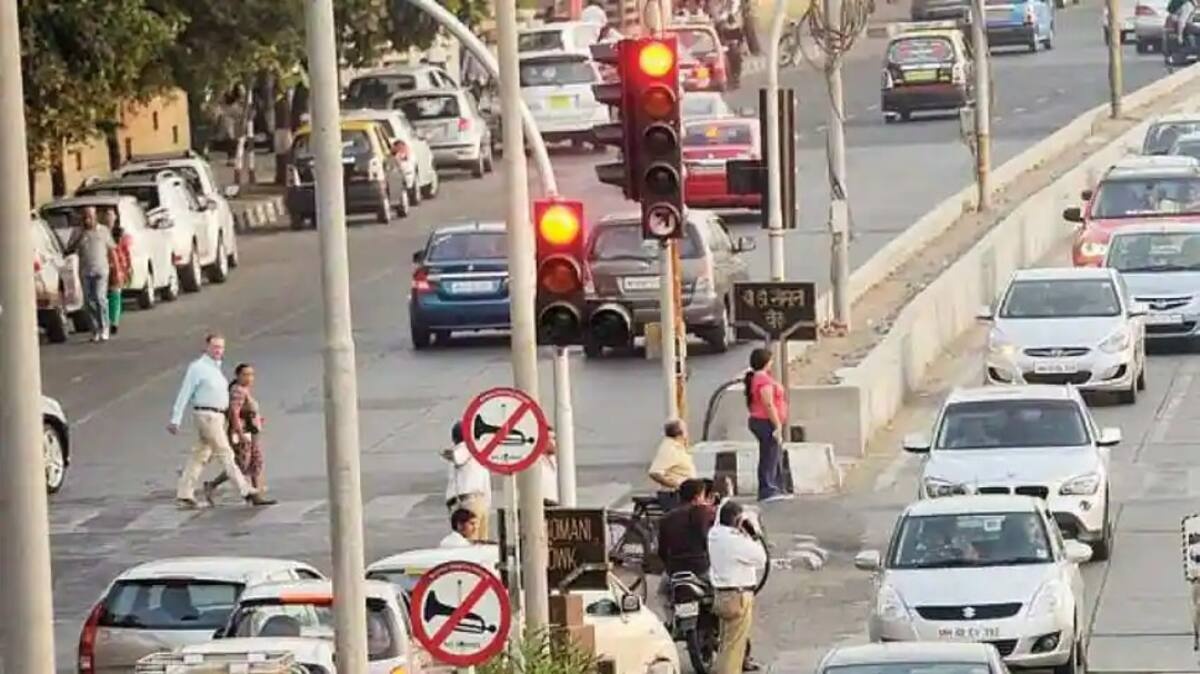
A large-scale Indore traffic enforcement operation has resulted in action against more than a thousand motorists in a single day, highlighting growing challenges around road discipline and urban mobility in one of central India’s fastest expanding cities. Traffic authorities conducted an intensive monitoring exercise across major intersections and arterial corridors, identifying violations ranging from helmet and seatbelt non-compliance to signal jumping and dangerous driving. Officials confirmed that 1,397 traffic violations were recorded during the drive, reflecting the scale of rule-breaking on city roads. The enforcement campaign formed part of a wider effort to strengthen compliance with traffic regulations as Indore continues to experience rising vehicle ownership and denser urban movement.
According to traffic officials overseeing the operation, the Indore traffic enforcement drive focused on high-traffic zones where accident risks are typically higher. Teams were deployed at multiple junctions and strategic road stretches throughout the day, using both on-ground monitoring and digital surveillance systems to detect offences. Authorities emphasised that the objective was not only penal action but also reinforcing road safety awareness among motorists. Urban transport analysts say such enforcement campaigns reveal the pressure rapid urbanisation places on road infrastructure. Indore has witnessed steady growth in population, economic activity and private vehicle usage over the past decade. While road networks have expanded, behavioural compliance with traffic rules has not always kept pace with the scale of mobility demand. The findings from the Indore traffic enforcement drive also underline the importance of integrating enforcement with broader mobility planning. Experts argue that sustainable urban transport requires a combination of infrastructure upgrades, reliable public transit and consistent regulatory oversight. Without these elements working together, cities risk rising congestion, accident rates and environmental stress. Traffic safety remains a critical concern in many Indian cities where mixed traffic patterns — including cars, two-wheelers, buses and non-motorised transport — share limited road space. Authorities say enforcement drives help identify recurring violations and guide future policy interventions, including improved signage, junction redesign and pedestrian safety measures. From an environmental perspective, improving road discipline also plays a role in reducing unnecessary congestion and vehicle emissions. Stop-start traffic caused by rule violations can significantly increase fuel consumption and urban air pollution. Strengthening compliance with signals, lane discipline and safety rules therefore contributes indirectly to cleaner and more efficient urban transport systems. Officials indicated that the Indore traffic enforcement exercise will be followed by continued monitoring and awareness campaigns aimed at encouraging safer driving habits. Authorities also plan to expand the use of digital traffic management systems to detect violations more consistently and reduce reliance on manual checks.
For a rapidly growing city aspiring to balance economic growth with quality of life, the enforcement drive underscores a broader urban lesson: mobility systems must evolve alongside urban expansion. Ensuring safer roads will depend not only on penalties but also on sustained public awareness, smarter infrastructure design and long-term planning that prioritises people-first transport networks.
ALSO READ – Indore Rewa Train Timing Issue Sparks Passenger Concerns
Indore Traffic Enforcement Highlights Rising Urban Mobility Risks
