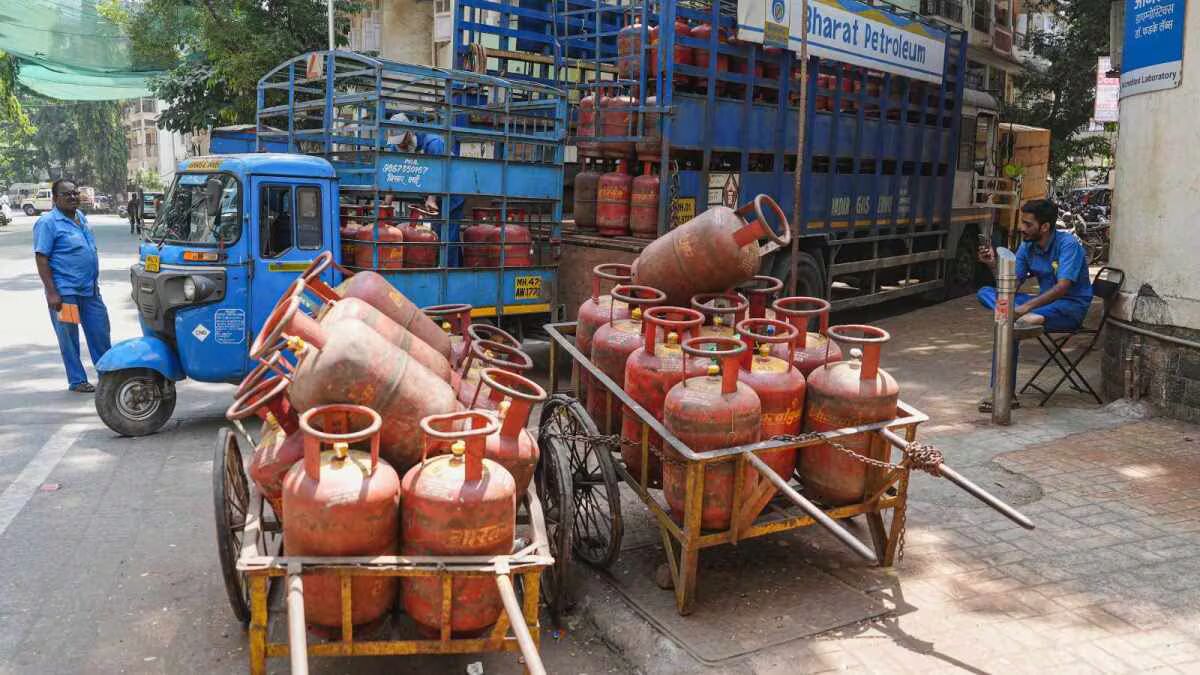
Nagpur LPG Supply Debate Emerges With PNG Expansion
Fuel distribution challenges have surfaced in Nagpur as LPG dealers raised concerns about supply disruptions and operational issues while the state accelerates the expansion of piped natural gas (PNG) infrastructure.Representatives of LPG distributors in the region recently highlighted logistical and system-related difficulties affecting cylinder supply and delivery operations. The concerns come at a time when Maharashtra is promoting a transition toward wider PNG connectivity for households and businesses.
Industry stakeholders say the shift toward piped gas networks has created uncertainty for parts of the traditional LPG distribution ecosystem. While PNG systems offer the convenience of continuous gas supply through pipelines, many households and commercial users still rely heavily on LPG cylinders.The discussions around Nagpur LPG supply issues reflect the complex dynamics involved in transitioning between different energy delivery systems. LPG dealers say that despite the gradual rollout of PNG infrastructure, cylinder-based cooking fuel continues to play a vital role, particularly in areas where pipeline networks are still limited.Fuel distributors have also pointed to technical and administrative challenges affecting delivery processes. These include system glitches, delayed supply allocations and logistical constraints that sometimes slow down distribution to customers.Energy analysts note that such issues highlight the operational complexities of managing parallel fuel systems. As cities expand their natural gas pipeline networks, policymakers must ensure that existing LPG supply chains remain stable until alternative infrastructure becomes widely accessible.
The Nagpur LPG supply issues have also drawn attention to the broader transformation of urban energy infrastructure. Governments across India are promoting PNG expansion as part of efforts to provide cleaner fuel alternatives for households and industries.Piped natural gas systems are generally considered safer and more convenient for consumers because they eliminate the need for cylinder storage and periodic refilling. However, building these networks requires significant infrastructure investment and extensive pipeline installation across cities.Urban infrastructure planners say the transition toward piped gas must be carefully managed to avoid disruptions in existing fuel supply systems. LPG distribution networks currently support millions of households across India, especially in areas not yet connected to gas pipelines.The situation in Nagpur reflects how energy infrastructure transitions can create temporary challenges for both suppliers and consumers. Balancing traditional fuel distribution with emerging pipeline-based systems requires coordination between energy companies, regulators and local distributors.Experts suggest that improving digital supply management systems and strengthening logistics coordination could help address some of the operational issues raised by dealers.
As Maharashtra continues expanding its PNG network, the resolution of Nagpur LPG supply issues will likely play an important role in ensuring that households maintain reliable access to cooking fuel during the transition period.For energy planners, the challenge lies in creating a balanced system where new infrastructure improves efficiency without disrupting the established distribution networks that currently support urban households.