


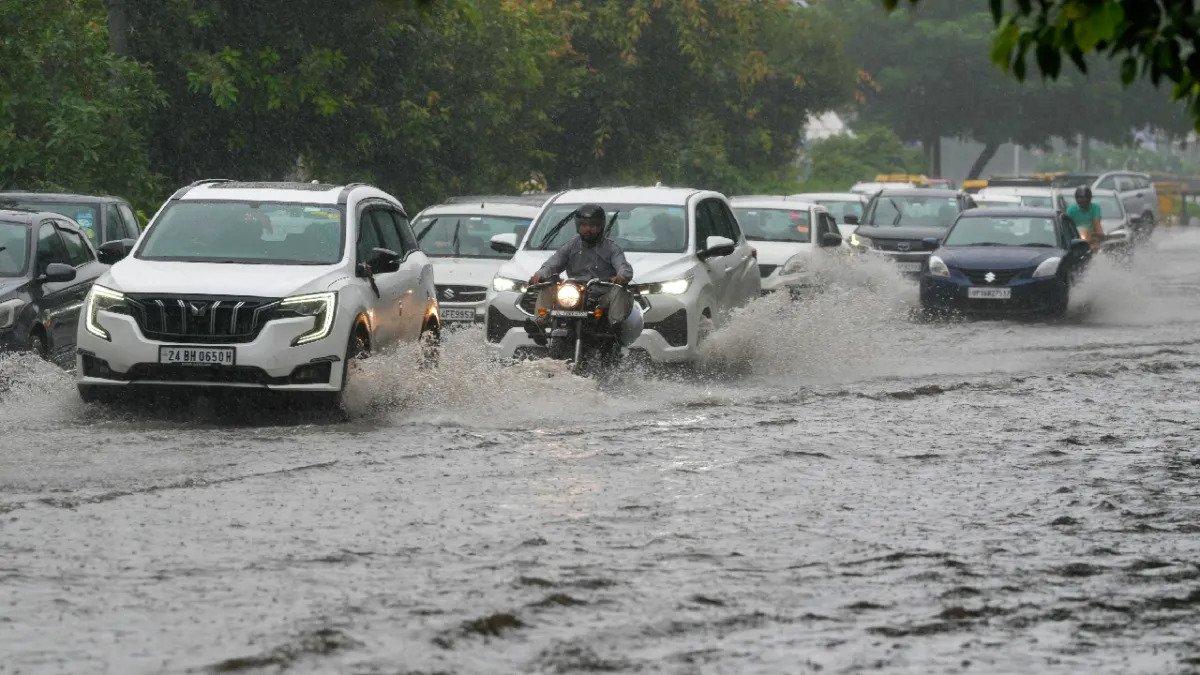
Seasonal weather projections indicate that central India could witness above-average rainfall this monsoon, with Indore, Bhopal, and Gwalior expected to receive close to 30–32 inches of rain during the upcoming season. The Indore monsoon forecast suggests that the region may experience a strong monsoon cycle, raising both optimism for water security and concerns about urban drainage capacity. Meteorological projections reviewed by state agencies indicate that rainfall levels across large parts of Madhya Pradesh may remain within or slightly above the long-term seasonal average. For urban centres such as Indore, which rely heavily on monsoon replenishment for reservoirs and groundwater recharge, a strong rainy season could support water availability for the coming year.
However, city planners say that the implications of the Indore monsoon forecast extend beyond agriculture and water supply. Rapid urbanisation has significantly altered the city’s natural drainage systems. Expanding built-up areas, paved roads and shrinking open spaces have reduced the ability of the ground to absorb rainwater, increasing the risk of urban flooding during intense rainfall spells. Urban infrastructure experts note that rainfall levels of 30 inches or more across a monsoon season can strain drainage networks if precipitation occurs in short bursts rather than evenly distributed showers. In several Indian cities, intense downpours within a few hours have overwhelmed stormwater systems, leading to flooded streets and disruptions to transport networks. For Indore, which has grown into one of central India’s key commercial and logistics hubs, heavy rainfall can affect both mobility and economic activity. Industrial areas, residential colonies and commercial districts depend on functioning drainage systems to avoid waterlogging that can damage infrastructure and disrupt daily life. Municipal authorities have been working to strengthen stormwater management systems through desilting of drains, expansion of drainage channels and improved waste management to prevent blockages. Experts emphasise that drainage maintenance before the monsoon season is crucial because clogged drains often worsen flood risks during heavy rainfall. The Indore monsoon forecast also carries positive implications for water resource management. Reservoirs supplying drinking water to the city depend on seasonal rainfall for replenishment. Adequate monsoon precipitation can stabilise water availability for households, industries and agriculture in surrounding districts. Climate researchers say monsoon patterns across India are becoming increasingly unpredictable due to climate change. While total rainfall in some regions remains stable, extreme rainfall events are becoming more frequent. This shift requires cities to redesign infrastructure systems that were originally built for more predictable weather patterns. Urban resilience specialists argue that adapting to such conditions involves integrating climate forecasting into city planning. Stormwater networks, green spaces and water harvesting systems can help cities capture excess rainfall while reducing flood risk.
For Indore and other rapidly growing urban centres in Madhya Pradesh, the coming monsoon season will test how effectively cities can balance water security with climate resilience. As rainfall patterns evolve, urban planning strategies will increasingly need to align infrastructure development with changing weather realities.
ALSO READ – Indore illegal colonies regularisation faces policy hurdle
Indore monsoon forecast signals heavy seasonal rainfall
